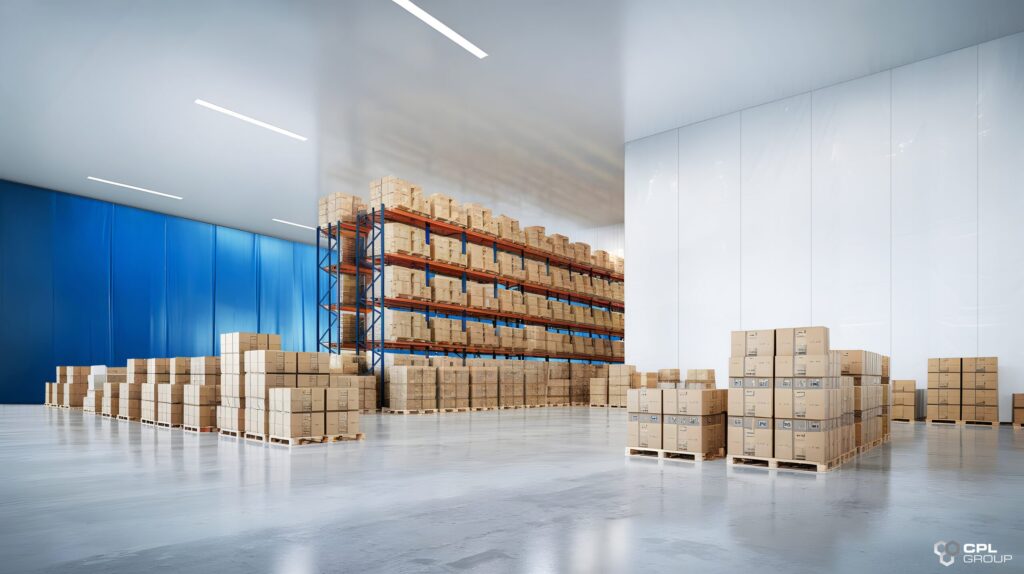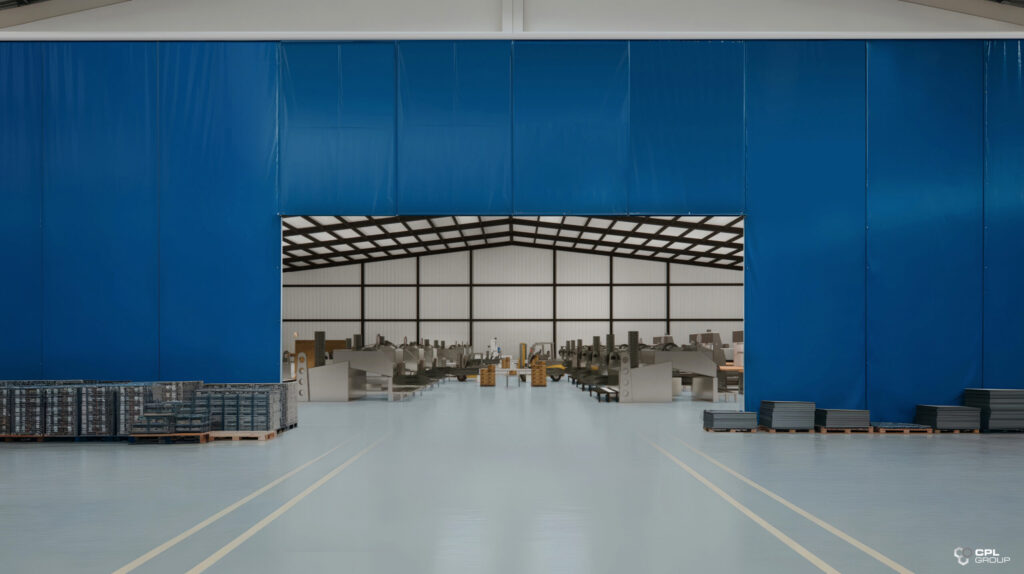

Modern Warehouses Depend on Efficient Operational Flow
Warehouse congestion creates bottlenecks that slow workflows, reduce productivity, and increase operational costs.
Warehouse efficiency is no longer determined solely by storage capacity.
Modern logistics facilities must support:
- Continuous material movement
- Efficient forklift traffic
- Faster throughput
- Safer operational workflows
- Clear process separation
As warehouses become busier and more complex, operational flow is becoming increasingly important to maintaining productivity and efficiency.
However, many facilities experience congestion caused by poor traffic management, overlapping workflows, and inefficient operational layouts.
What Is Warehouse Congestion?
Warehouse congestion occurs when operational movement becomes restricted or inefficient within warehouse environments.
This often includes:
- Forklift traffic bottlenecks
- Congested operational lanes
- Delayed material movement
- Overlapping workflows
- Restricted access routes
Quick Answer
Warehouse congestion reduces operational efficiency by slowing movement, interrupting workflows, increasing delays, and creating safety risks within logistics facilities.
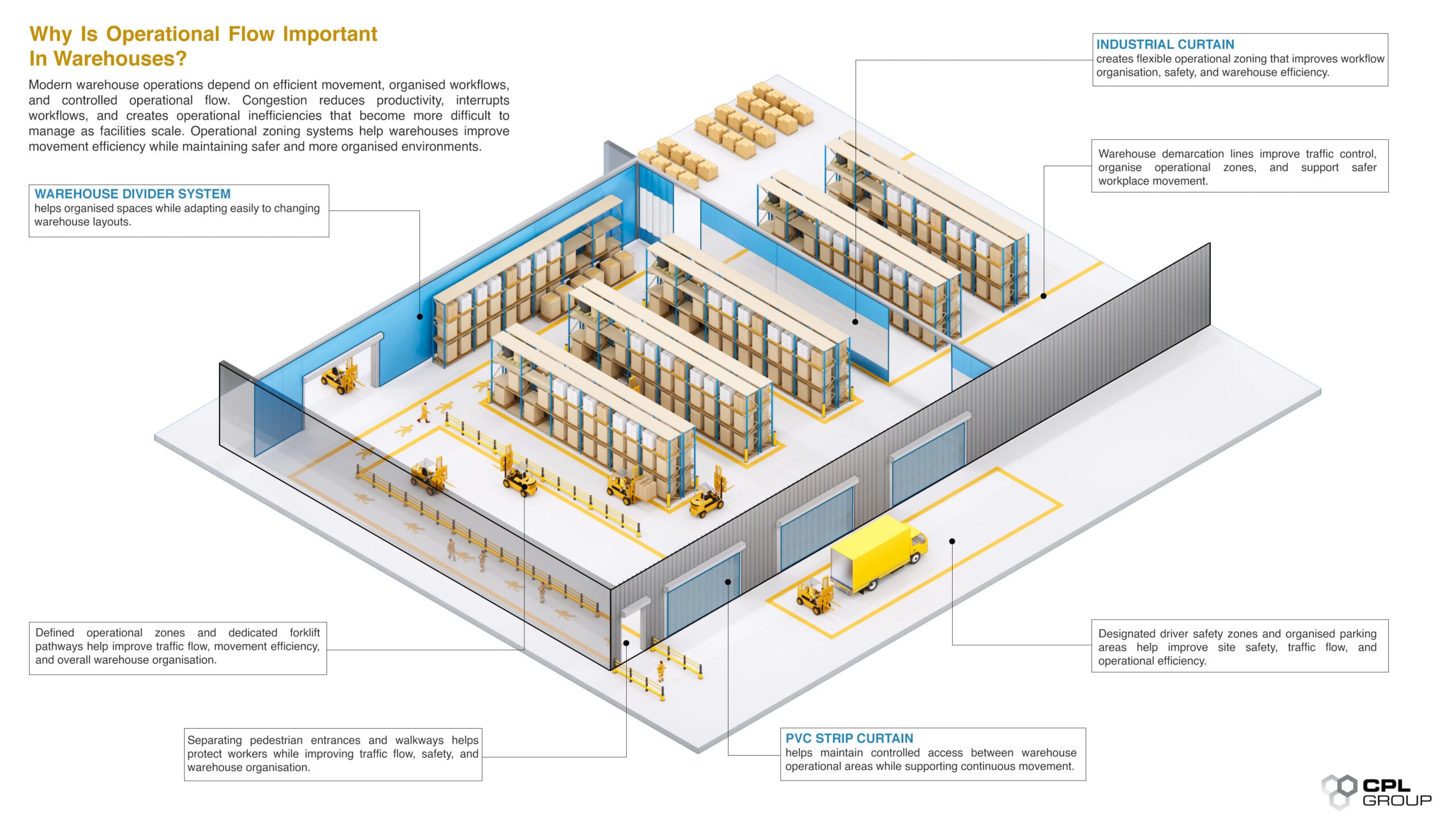
Operational zoning systems such as industrial curtains, PVC strip curtains, and warehouse divider systems help improve traffic flow and operational organisation.
How Congestion Impacts Warehouse Productivity
Congestion directly affects operational performance.
When warehouse movement becomes inefficient, facilities may experience:
- Delayed order processing
- Reduced throughput
- Increased downtime
- Slower forklift movement
- Workflow interruption
As operational demands increase, congestion can gradually reduce overall facility efficiency.
Why Forklift Traffic Management Matters
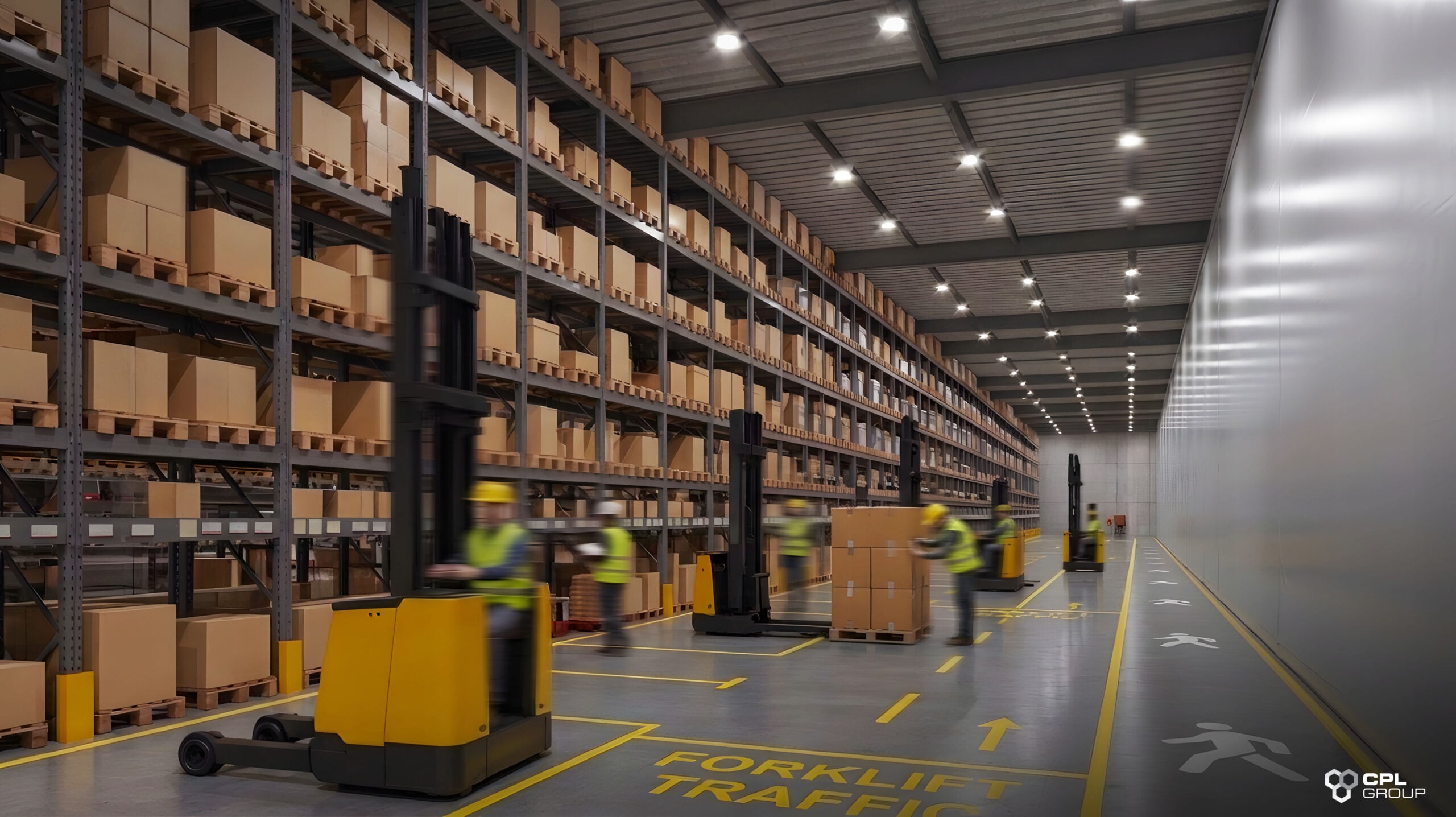
Forklifts are critical to warehouse operations.
However, poorly organised forklift movement often creates:
- Traffic conflicts
- Delayed material handling
- Restricted movement areas
- Increased safety risks
Clear operational zoning and separated traffic pathways help improve movement efficiency while reducing congestion.
How Operational Bottlenecks Disrupt Workflow
Warehouse bottlenecks occur when movement slows between operational processes.
Common causes include:
- Narrow access routes
- Poor operational separation
- Shared traffic areas
- Congested picking and storage zones
These interruptions can impact workflow continuity across entire warehouse operations.
The Role of Warehouse Zoning in Operational Efficiency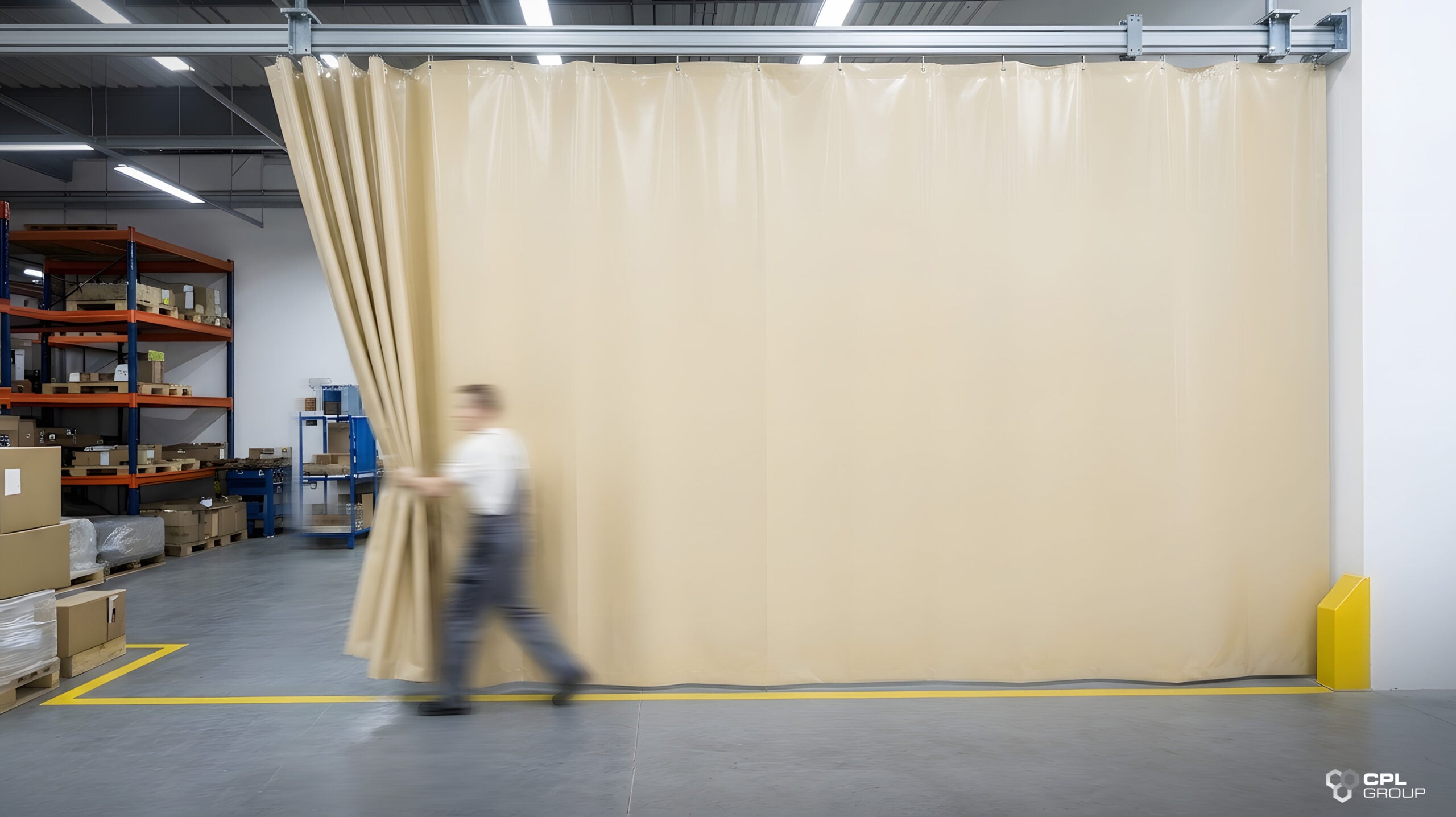
Warehouse zoning helps facilities create more organised operational environments.
Clearly separated operational areas support:
- Improved traffic flow
- Reduced workflow overlap
- Better process organisation
- More efficient movement pathways
Well-planned zoning systems help warehouses maintain operational consistency as throughput increases.
How Industrial Curtains Support Workflow Separation
Industrial curtain systems help warehouses create operational separation without permanent construction.
They are commonly used to:
- Separate operational zones
- Improve workflow organisation
- Reduce congestion between processes
- Create safer movement pathways
Industrial curtains allow facilities to adjust layouts as operational requirements evolve.
The Role of PVC Strip Curtains in Traffic Flow Management
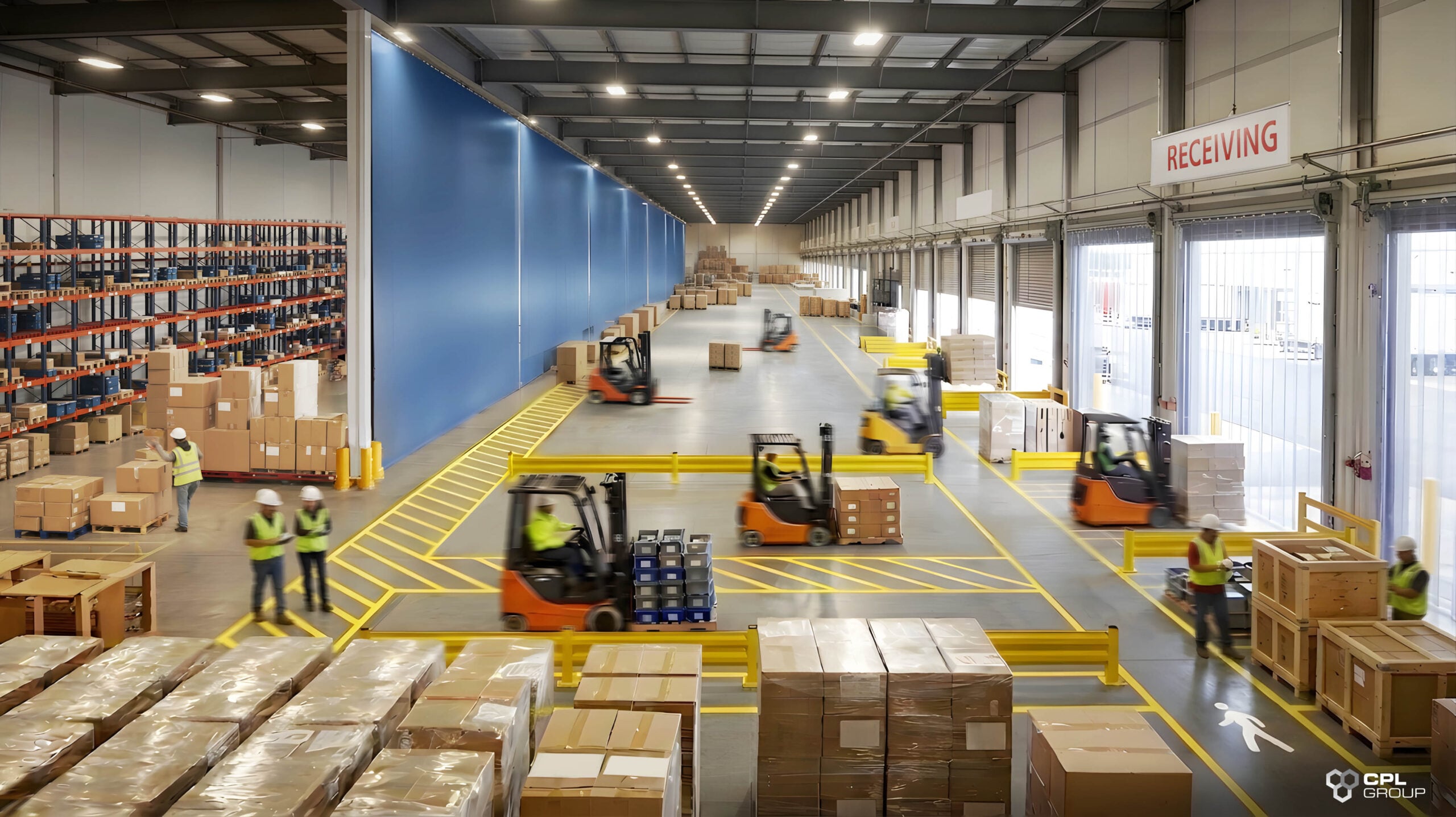
PVC strip curtains help maintain controlled access between warehouse operational areas while supporting continuous movement.
They are commonly installed in:
- Forklift access points
- Operational openings
- Traffic lanes
- Warehouse doorways
PVC strip curtains help:
- Maintain operational separation
- Reduce environmental transfer
- Improve traffic organisation
- Support workflow continuity
Why Warehouse Divider Systems Improve Operational Control
Warehouse divider systems help facilities organise operational spaces more efficiently.
They support:
- Flexible workflow zoning
- Process separation
- Better operational visibility
- Reduced workflow congestion
Unlike permanent walls, divider systems allow layouts to evolve as warehouse operations change.
Warehouse Congestion and Workplace Safety
Congested warehouse environments increase operational risk.
Poor traffic flow can contribute to:
- Unsafe forklift interaction
- Reduced visibility
- Workflow overlap
- Increased movement conflicts
Clear zoning and operational separation help improve both safety and workflow efficiency.
How CPL Supports Warehouse Operational Efficiency
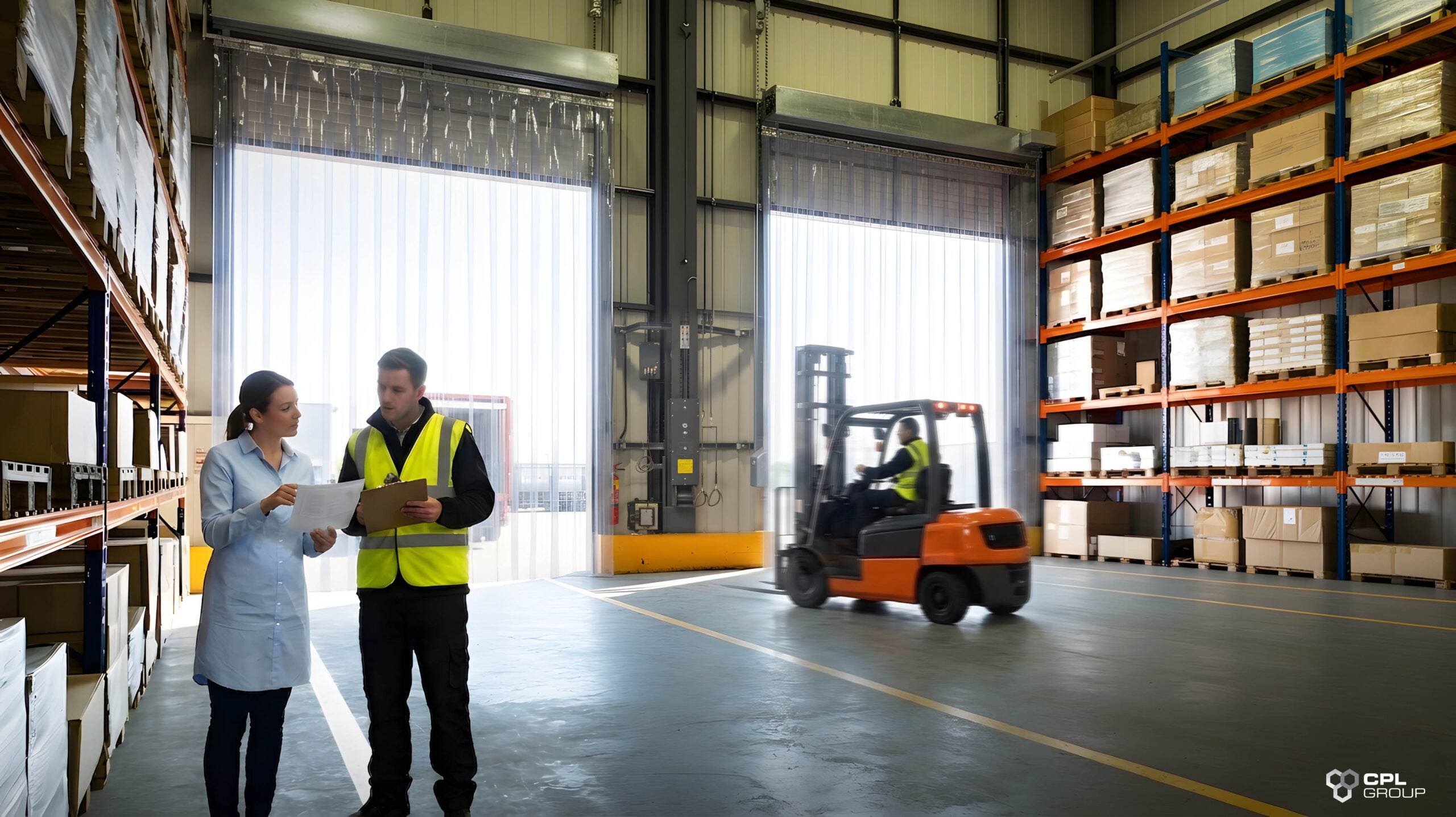
CPL provides flexible warehouse infrastructure solutions that help improve operational flow and warehouse organisation.
These include:
These solutions help facilities improve:
- Traffic flow
- Workflow separation
- Operational efficiency
- Safety outcomes
- Long-term adaptability
Frequently Asked Questions
What causes warehouse congestion?
Warehouse congestion is commonly caused by:
- Poor traffic flow
- Overlapping workflows
- Inefficient zoning
- Restricted movement pathways
- High forklift traffic
These issues can reduce operational efficiency and workflow continuity.
How does congestion affect warehouse efficiency?
Congestion slows operational movement and interrupts workflows.
This can lead to:
- Delayed processing
- Reduced throughput
- Increased downtime
- Workflow inefficiency
How can warehouse zoning improve operational flow?
Warehouse zoning creates clearer operational separation between workflows and traffic pathways.
This helps improve:
- Movement efficiency
- Workflow organisation
- Operational visibility
- Safety outcomes
What are industrial curtains used for in warehouses?
Industrial curtains help create operational separation and flexible warehouse zoning.
They support:
- Workflow organisation
- Process separation
- Safer operational layouts
- Adaptable warehouse environments
What are PVC strip curtains used for?
PVC strip curtains are commonly used in warehouse traffic openings and forklift access areas.
They help maintain operational separation while allowing continuous movement between zones.
Why is operational flow important in warehouses?
Efficient operational flow helps warehouses improve throughput, reduce delays, and maintain safer and more organised environments.
As warehouse activity increases, operational flow becomes increasingly important to maintaining productivity.
Conclusion
Modern warehouse operations depend on efficient movement, organised workflows, and controlled operational flow.
Congestion reduces productivity, interrupts workflows, and creates operational inefficiencies that become more difficult to manage as facilities scale.
Operational zoning systems help warehouses improve movement efficiency while maintaining safer and more organised environments.