
Warehouses Are Changing Faster Than Ever
Logistics and warehousing operations are evolving at a pace few industries have experienced before.
Flexible warehouse infrastructure is becoming essential as facilities adapt to rapid changes in demand, technology, and operational complexity.
Driven by the rise of e-commerce, same-day delivery expectations, and warehouse automation technologies, facilities that were once designed to remain static for decades are now expected to evolve continuously.
Modern warehouses are no longer simply storage environments.
They are:
- High-throughput distribution hubs
- Robotics-enabled fulfillment centers
- Multi-zone operational environments
- Safety-critical workplaces
This transformation is placing pressure on one often-overlooked component:
Physical infrastructure flexibility
Because when operations change — walls don’t.
What is flexible warehouse infrastructure?
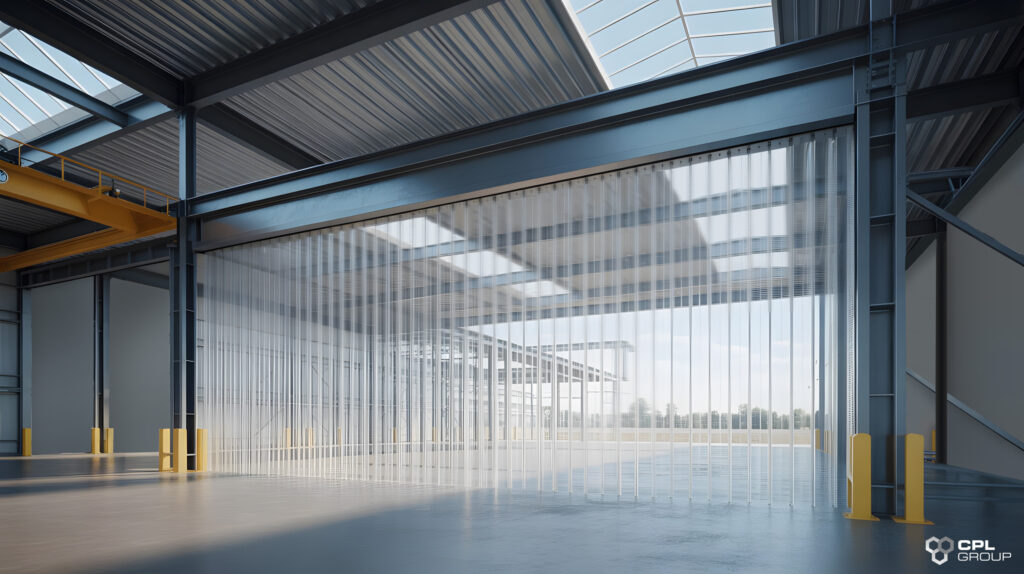
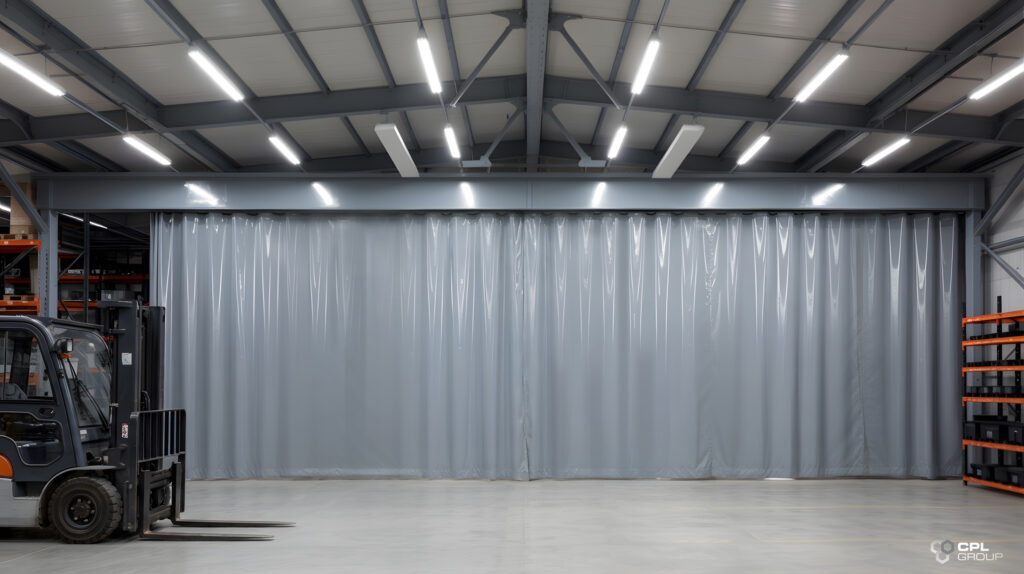
Flexible warehouse infrastructure refers to modular systems such as industrial curtains, partitions, and containment solutions that allow warehouse layouts to be reconfigured without permanent construction.
The Shift From Static Layouts to Adaptive Facilities
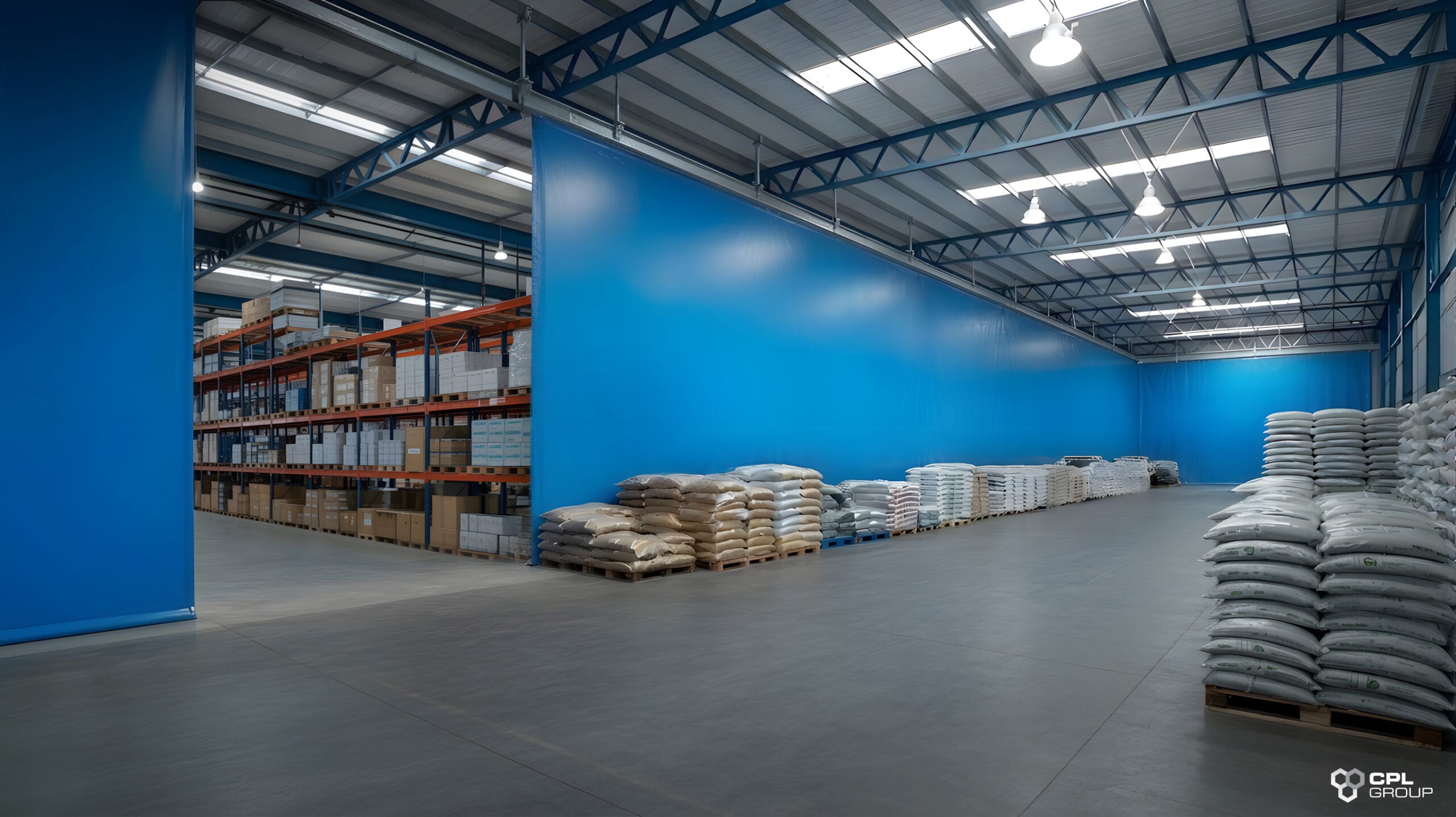
Traditional warehouse design prioritized permanence.
Concrete walls, fixed zones, and rigid layouts defined how space could be used.
But today’s facilities demand adaptability.
Operations now shift due to:
- Seasonal demand fluctuations
- SKU volume growth
- Automation integration
- Workflow redesign
- Safety compliance upgrades
This shift is creating a new operational requirement:
Adaptive warehouse infrastructure
Not just flexible workflows — flexible physical environments.
Automation Is Driving Infrastructure Redesign
Warehouse automation is expanding across logistics networks globally.
From autonomous mobile robots (AMRs) to automated picking systems, facilities are integrating technologies that demand new spatial planning strategies.
Automation introduces:
- New equipment footprints
- Dynamic traffic patterns
- Controlled safety zones
- Environmental separation requirements
And many existing warehouses were never designed to support these systems.
As a result, operators are increasingly looking for infrastructure solutions that allow:
- Rapid reconfiguration
- Minimal downtime
- Scalable expansion
Permanent construction often cannot deliver this level of responsiveness.
Flexible infrastructure can.
Why Permanent Walls Are Becoming a Limitation
Traditional construction methods remain useful — but not always practical.
Permanent walls introduce:
Long installation timelines
Construction projects can disrupt operations for weeks or months.
High modification costs
Once built, walls are difficult and expensive to relocate.
Limited scalability
Expanding operations often requires demolition and reconstruction.
Reduced operational agility
Fixed layouts restrict workflow evolution.
For modern warehouses, these limitations can slow operational progress — and increase long-term costs.
The Rise of Flexible Warehouse Infrastructure Systems
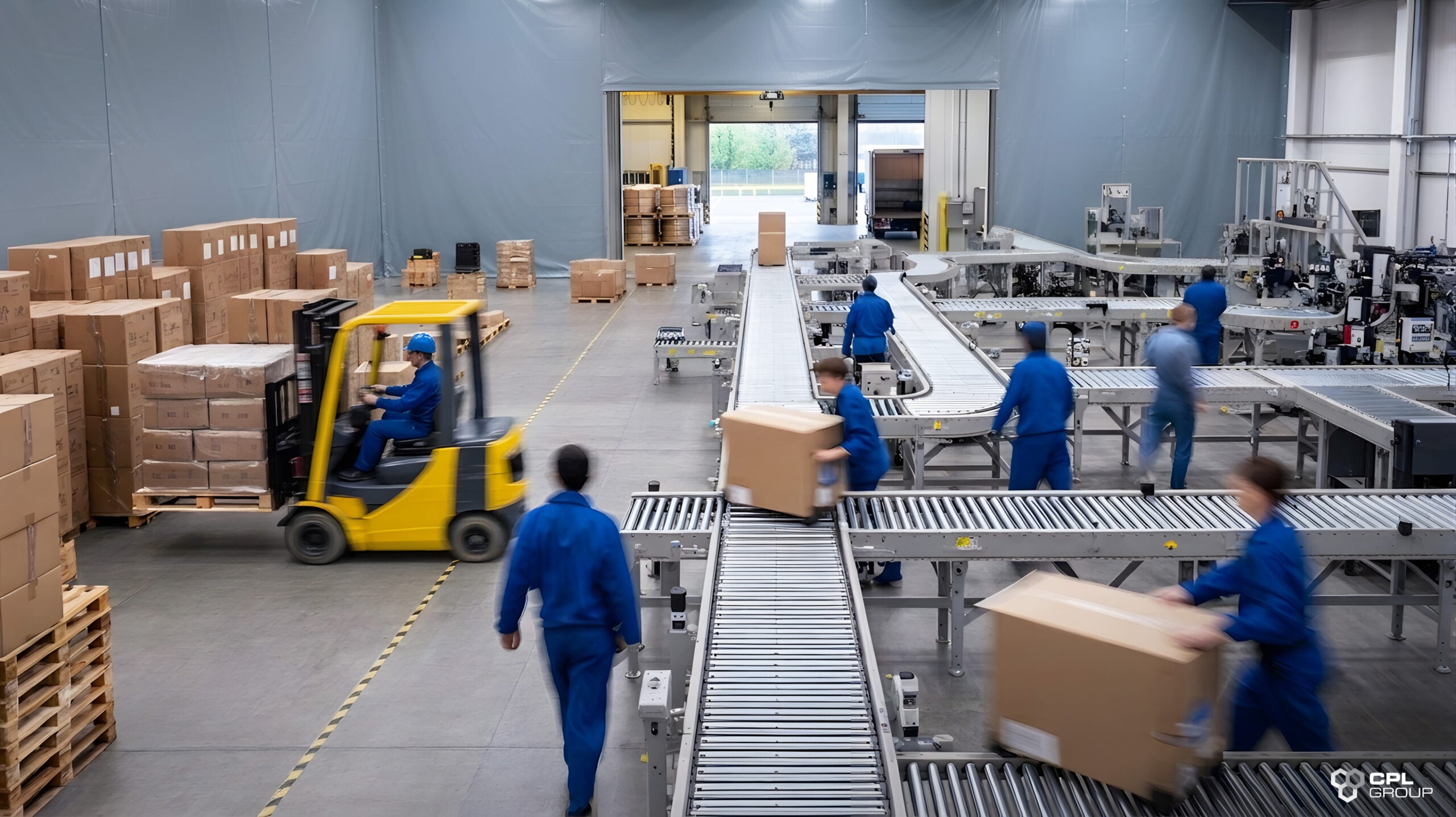
Flexible infrastructure systems are designed to adapt alongside operations.
Instead of relying solely on fixed construction, facilities are increasingly using:
- Industrial curtain systems
- Modular partitioning
- Dock containment solutions
- Environmental zoning systems
These systems allow warehouse environments to evolve without major structural work.
They provide:
- Rapid deployment
- Reconfiguration capability
- Cost-efficient scalability
- Reduced operational disruption
And they support the transition toward adaptive facilities.
Key Applications of Flexible Warehouse Infrastructure
Flexible infrastructure is not limited to one use case.
It supports multiple operational functions across logistics environments.
Warehouse Zoning and Process Separation
Modern warehouses often require distinct operational zones.
These may include:
- Picking zones
- Packing areas
- Storage sections
- Automation corridors
- Maintenance areas
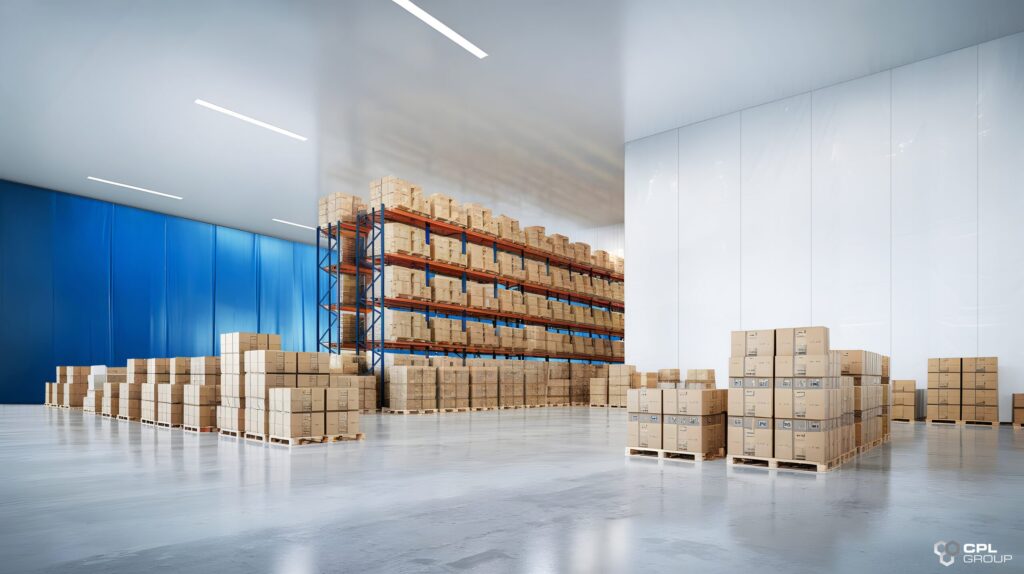
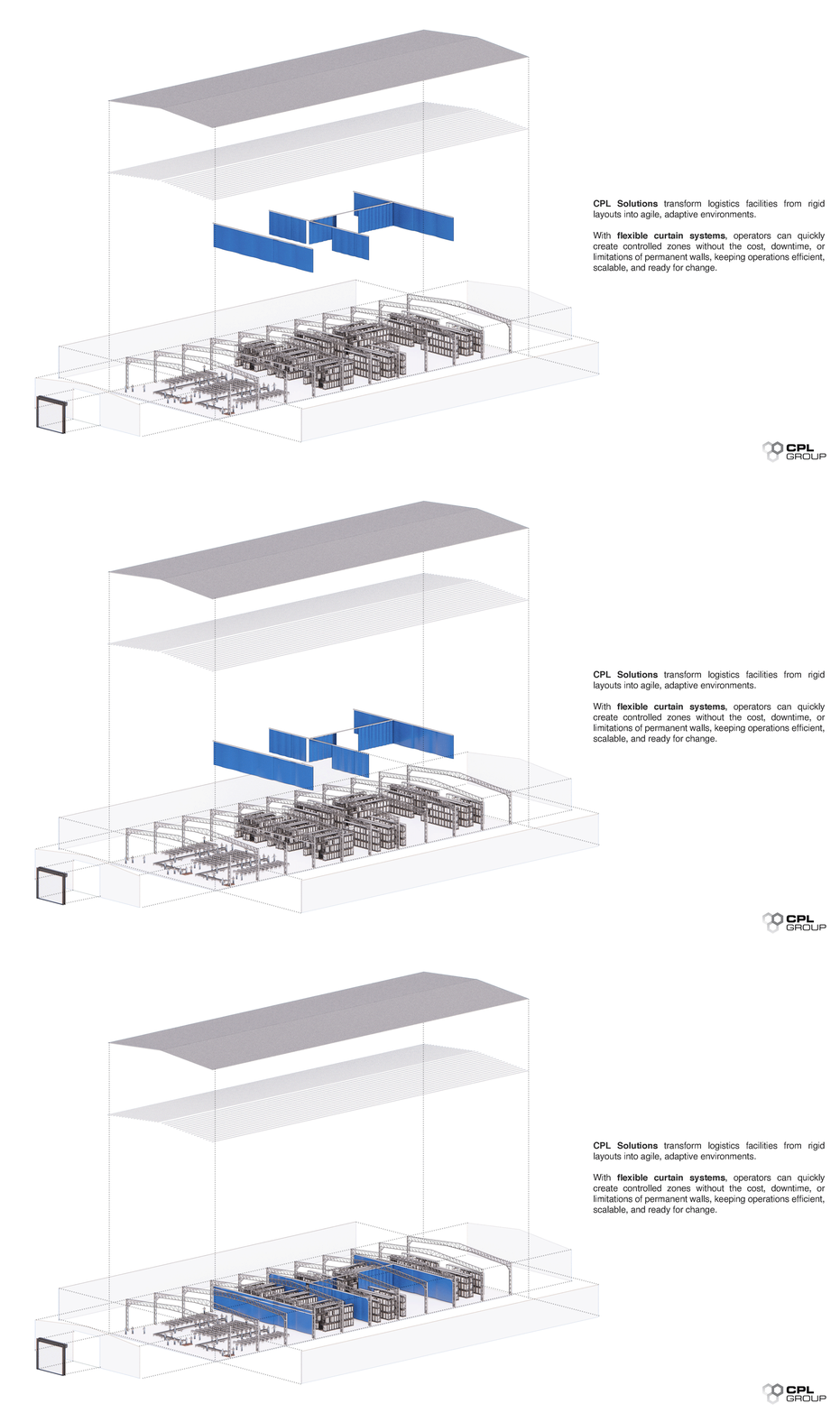
Flexible partitioning systems enable these zones to be created — and adjusted — without permanent construction.
This improves:
- Workflow organization
- Safety separation
- Process efficiency
Dock Area Containment and Efficiency
Loading docks represent one of the highest-traffic and highest-risk areas within a warehouse.
They are also a major source of:
- Energy loss
- Temperature fluctuation
- Dust and debris entry
Dock containment systems help control environmental conditions while maintaining efficient loading operations.
This supports:
- Energy efficiency
- Worker comfort
- Inventory protection
Environmental and Temperature Control
Many warehouses require environmental management across different zones.
Examples include:
- Cold-chain storage
- Dust containment
- Noise reduction
- Climate separation
Flexible curtain systems allow operators to isolate environments without installing permanent walls.
This provides operational efficiency while maintaining adaptability.
Safety and Traffic Segregation
Safety requirements continue to increase across logistics facilities.
This includes separation between:
- Pedestrians
- Forklifts
- Automated systems
- Maintenance operations
Flexible barriers and partition systems enable safer movement throughout the facility.
And they can be modified as operations evolve.
The Cost Advantage of Adaptability
One of the most compelling drivers behind flexible infrastructure adoption is cost.
Not just upfront — lifecycle cost.
Flexible infrastructure reduces:
- Construction costs
- Downtime expenses
- Future modification costs
- Facility redesign risk
Compared with permanent structures, modular systems provide long-term financial efficiency.
Especially in facilities that expect ongoing operational change.
Supporting Warehouse Scalability
Warehouse growth rarely happens all at once.
Instead, expansion occurs in stages.
Flexible infrastructure supports:
- Incremental growth
- Temporary capacity increases
- Seasonal demand adjustments
- Pilot program deployment
Rather than committing to permanent layouts immediately, operators can scale environments as needs evolve.
This supports strategic planning while reducing risk.
Designing the Adaptive Warehouse of the Future
The next generation of warehouses will not be static.
They will be:
- Modular
- Scalable
- Responsive
- Efficient
And infrastructure will play a central role in enabling these capabilities.
Facilities designed for adaptability will be better positioned to:
- Integrate automation
- Improve safety performance
- Optimize workflow efficiency
- Respond to market changes
Flexible infrastructure is no longer optional.
It is becoming mission-critical.
How CPL Supports Adaptive Flexible Warehouse Infrastructure
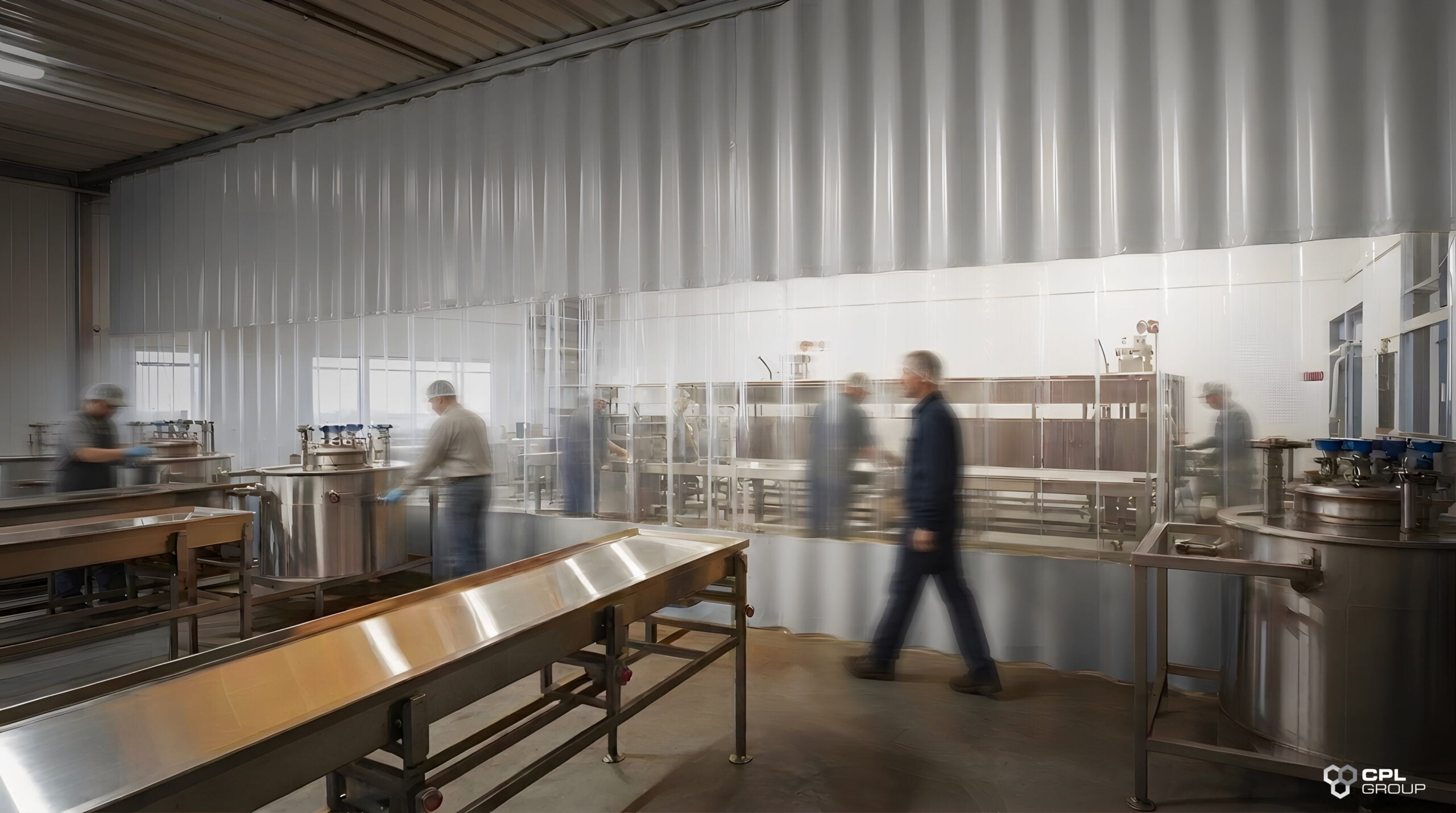
CPL solutions are designed to help logistics facilities transition from rigid layouts to adaptive environments.
Through the use of:
- Industrial curtain systems
- Dock area containment solutions
- Warehouse partition systems
- Environmental zoning technologies
Facilities can improve operational flexibility while maintaining efficiency and safety.
These systems support:
- Rapid deployment
- Scalable configuration
- Reduced disruption
- Long-term infrastructure adaptability
And they enable warehouses to evolve without costly structural modifications.
Conclusion: The Future Flexible Warehouse Infrastructure Is Built for Change
Warehouse operations will continue to evolve.
Automation will expand.
Throughput demands will increase.
Safety requirements will intensify.
Facilities that remain static will struggle to keep pace.
But adaptive warehouses — built with flexible infrastructure — will thrive.
Because in modern logistics: