
Temperature & Contamination Control for Food Safety
A single temperature fluctuation.
A single contamination breach.
A single failed inspection.
That’s all it takes to trigger product loss, costly recalls, or operational shutdowns in a modern food and beverage facility.
Today’s processors operate under intense pressure—tight temperature tolerances, strict hygiene compliance, and rising operational costs. Food safety containment systems are essential for controlling airflow, contamination pathways, and temperature zones to protect both efficiency and brand reputation.
That’s why leading food and beverage operations are shifting toward engineered containment systems that control temperature, isolate clean zones, and prevent cross-contamination—without disrupting workflow.
Learn how CPL supports food-grade environments.
The Real Cost of Poor Temperature Control
Temperature stability is not just about refrigeration—it’s about containment.
Inconsistent thermal control leads to:
- Product spoilage
- Reduced shelf life
- Increased waste
- Higher energy costs
- Compliance failures
Even minor insulation failures or door leaks can allow cold air loss, forcing refrigeration systems to work harder and increasing operational costs.
High-performance freezer panels and insulated systems help stabilize environments and reduce thermal loss.
Explore cold storage and insulation solutions.
Contamination Risks Are Structural—Not Just Procedural
Most contamination risks originate from facility design failures—not process failures.
Common contamination pathways include:
- Airborne particulates
- Moisture migration
- Insect intrusion
- Cross-zone traffic
- Poor washdown containment
Without proper barriers, contamination can move freely between production stages.
Hygienic containment infrastructure helps isolate processes and reduce contamination risks.
Learn more about hygienic environments.
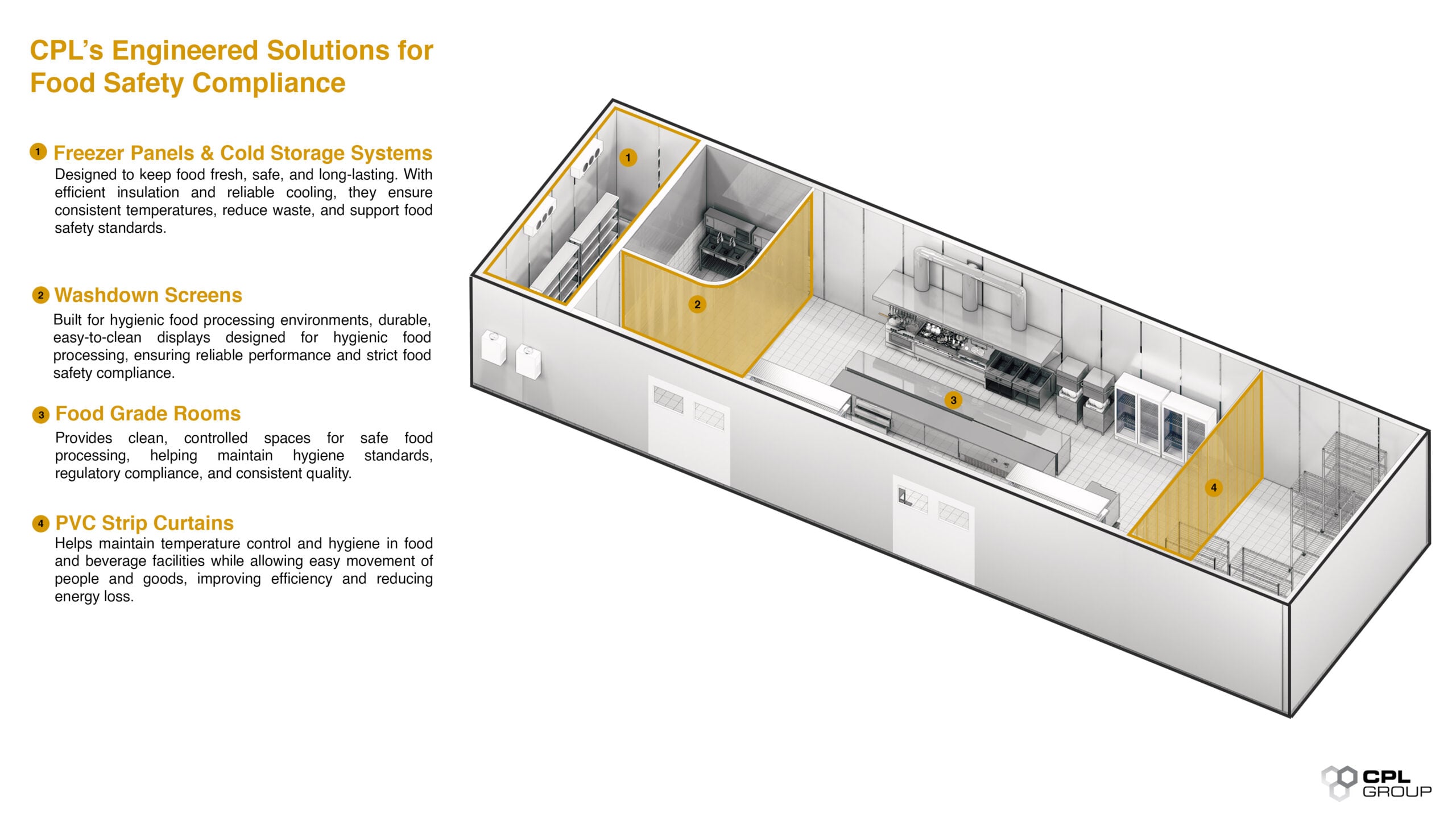
Engineered Solutions for Food Safety Compliance
Modern food facilities require modular, hygienic infrastructure that supports cleaning cycles and regulatory standards.
CPL Group delivers specialized solutions designed to meet the operational demands of regulated food environments.
Food Grade Rooms
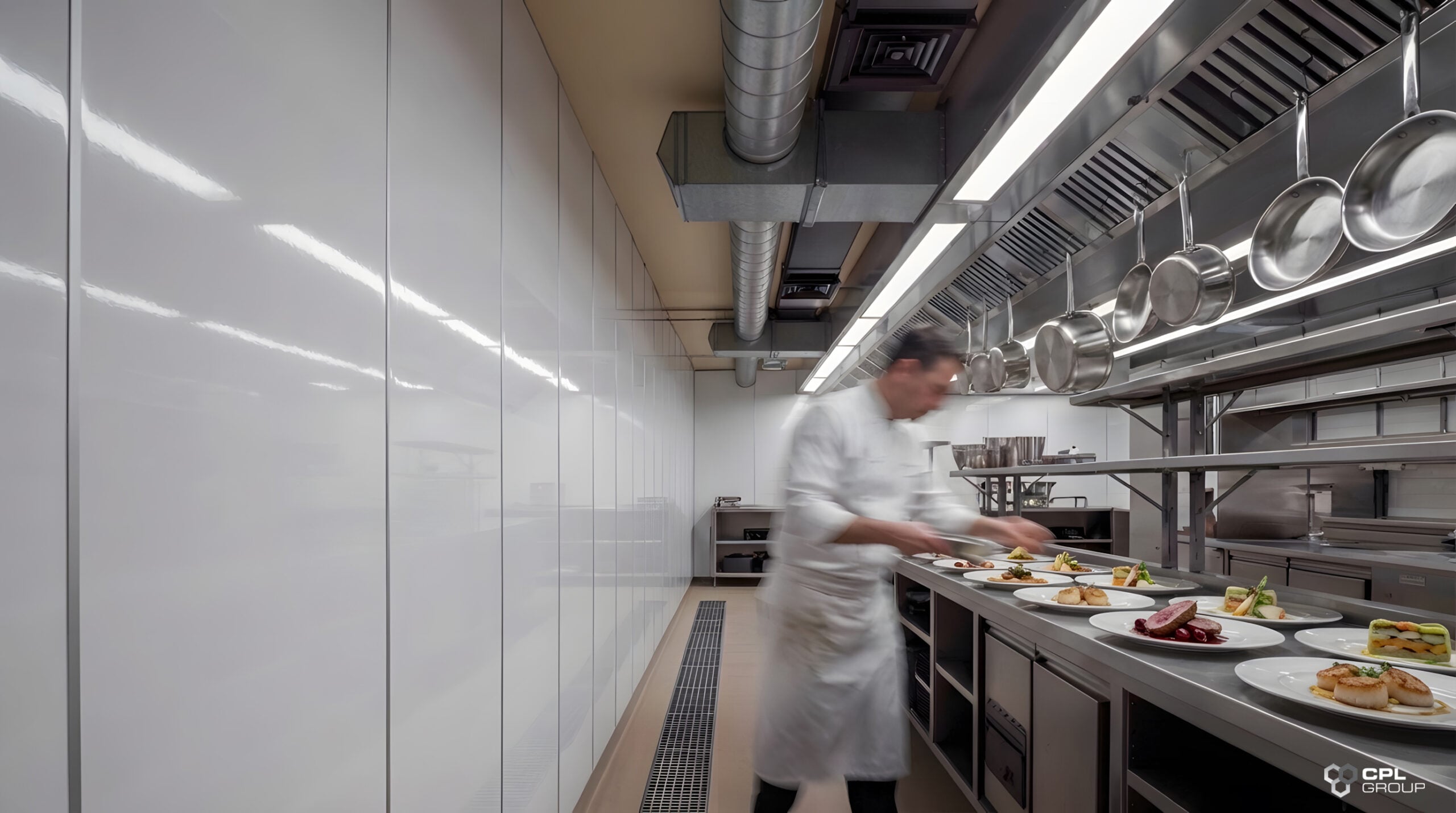
Controlled environments that maintain hygiene, temperature, and product integrity across processing operations.
These systems support:
- Stable temperature and humidity
- Regulatory compliance
- Improved product consistency
- Reduced contamination risk
Food-grade rooms create hygienic environments that protect product quality and extend shelf life.
Freezer Panels & Cold Storage Systems
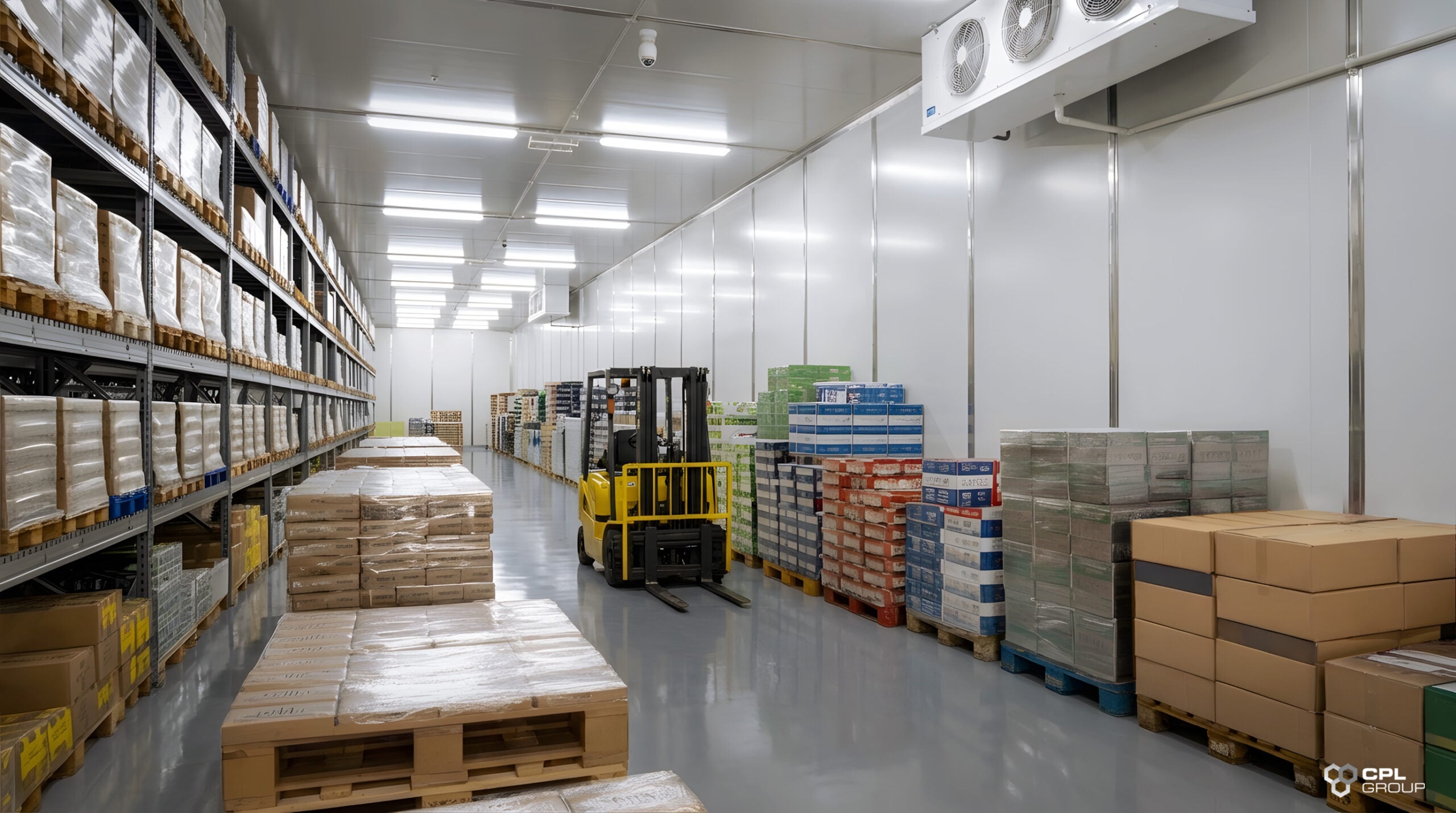
Precision-insulated systems designed to maintain temperature stability and reduce energy loss.
Key advantages:
- Reduced thermal leakage
- Improved refrigeration efficiency
- Lower operating costs
- Extended equipment lifespan
High-performance insulation plays a critical role in minimizing spoilage and maintaining consistent storage conditions.
View freezer panel systems.
PVC Strip Curtains
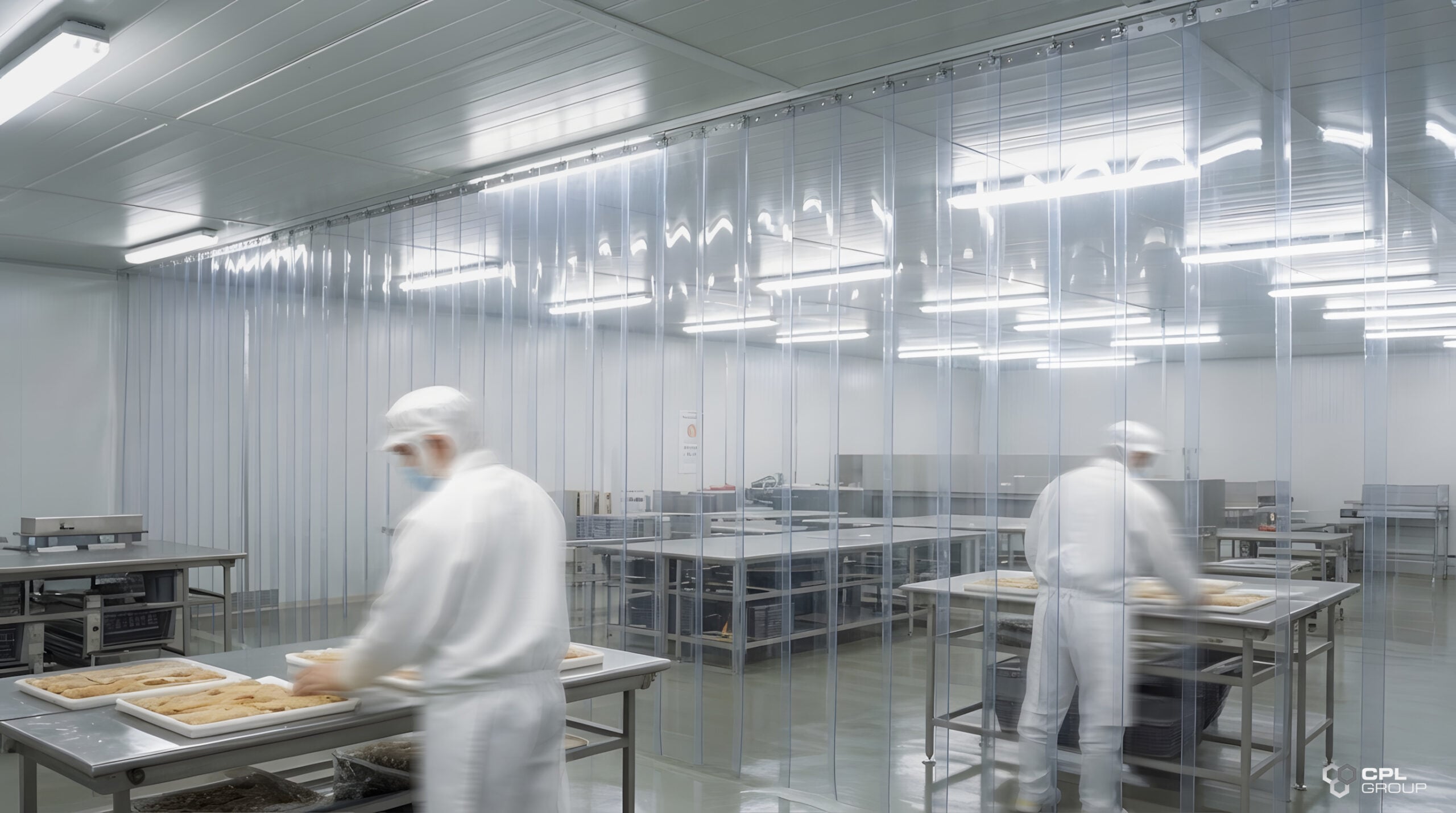
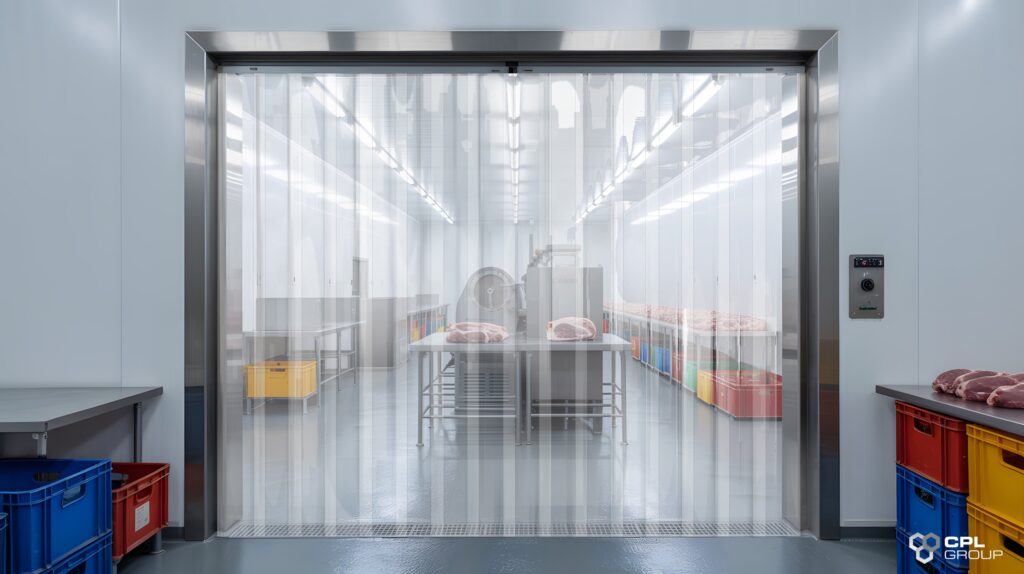
Flexible containment barriers that improve temperature control and contamination protection.
Ideal for:
- Doorways
- Cold rooms
- Processing zones
- Loading areas
PVC barriers create separation without restricting workflow—maintaining efficiency while protecting temperature zones.
Explore PVC strip curtain solutions.
Washdown Screens
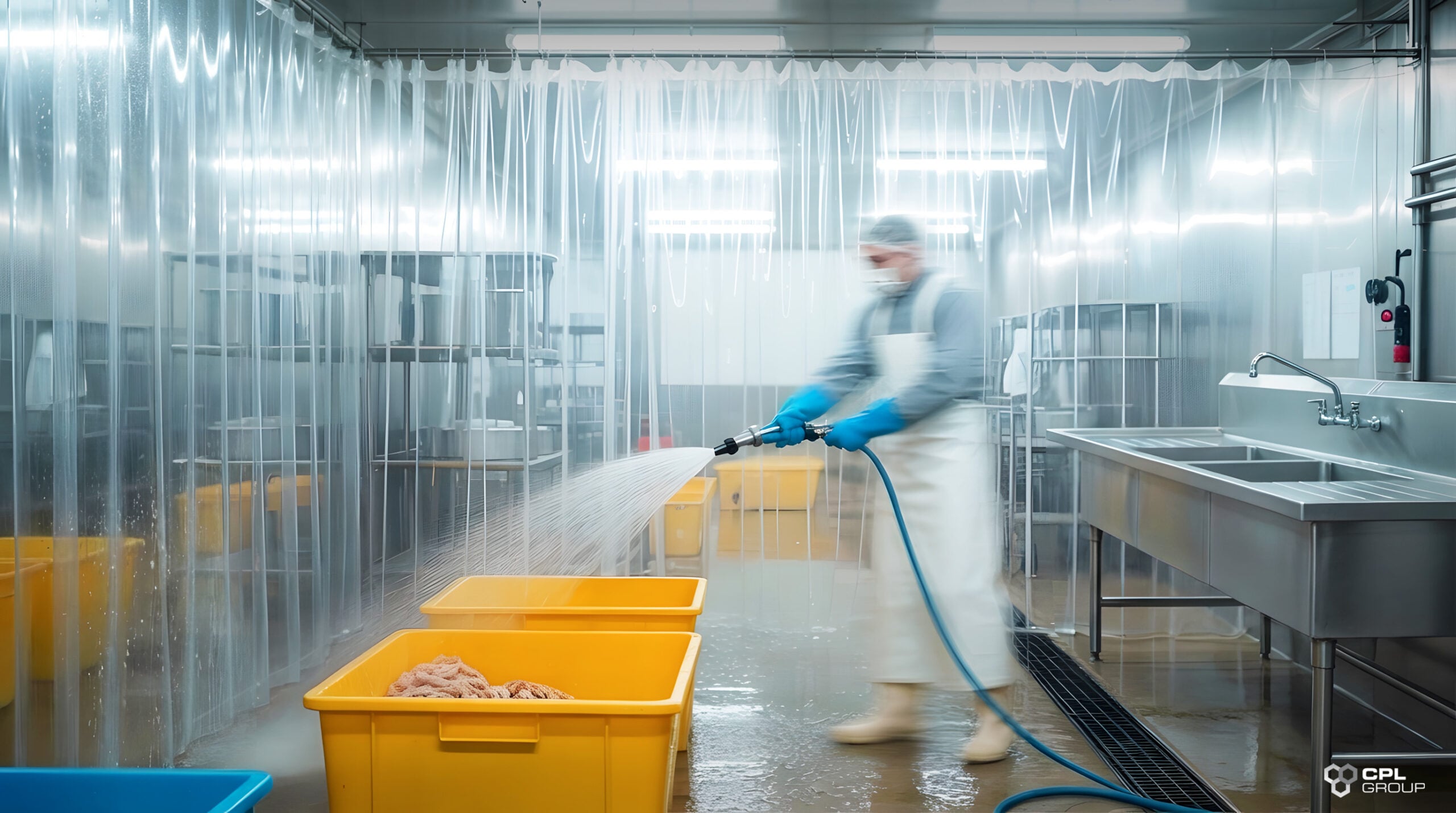
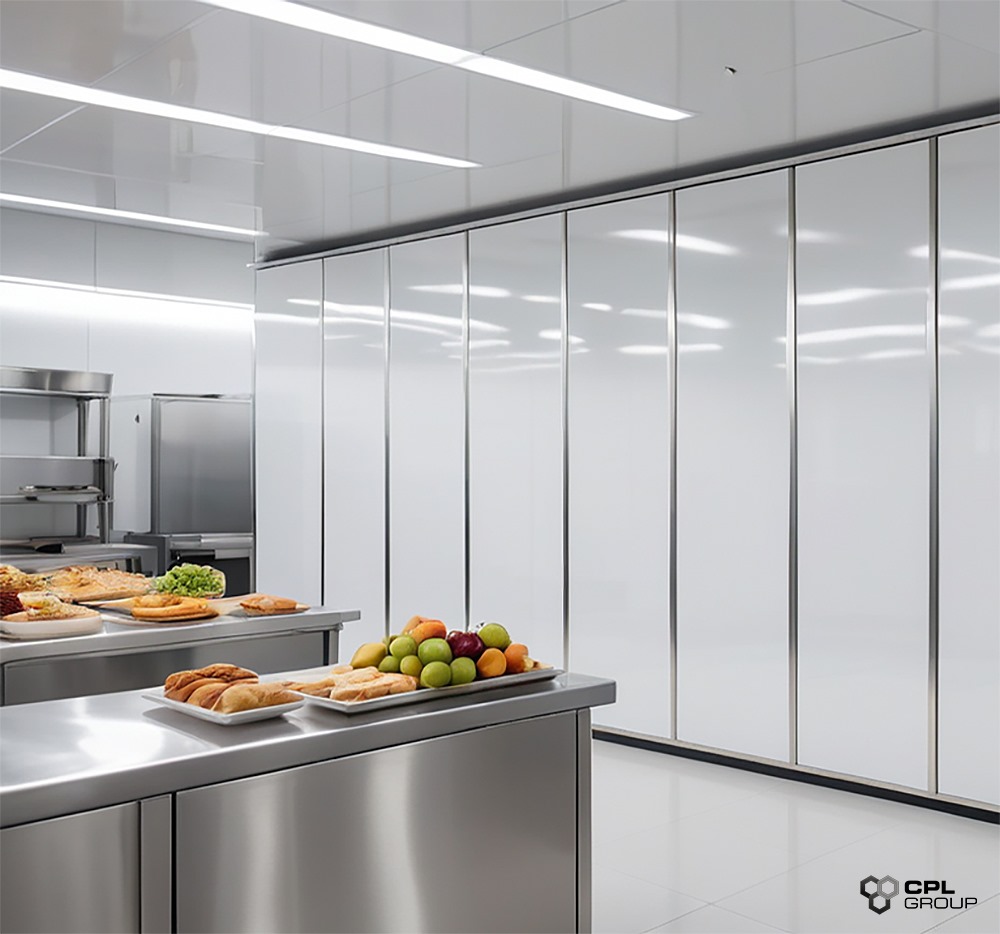
Hygienic barriers designed to withstand high-pressure sanitation.
Essential for:
- Wet environments
- Cleaning zones
- Hygiene separation
Washdown-compatible materials help maintain sanitation compliance while preventing contamination migration.
Learn more about washdown containment.
The Hidden Cost Advantage: Modular vs Permanent Construction
Traditional construction methods create downtime, delays, and high capital costs.
Modular containment systems offer:
- Faster installation
- Minimal operational disruption
- Reconfigurable layouts
- Lower long-term cost
Food and beverage facilities increasingly adopt modular partition systems because they support future expansion without structural rebuilding.
Learn more about modular containment systems.
How Engineered Containment Reduces Operational Costs
Cost savings come from multiple sources—not just energy reduction.
Direct Cost Savings
- Reduced refrigeration demand
- Lower energy consumption
- Less product spoilage
- Reduced cleaning downtime
Indirect Cost Savings
- Fewer compliance failures
- Reduced product recalls
- Increased equipment longevity
- Improved operational efficiency
Proper containment infrastructure supports stable environments and helps reduce operational waste.
See how CPL supports operational efficiency.
Where These Solutions Deliver the Most Value
CPL solutions are widely used across:
- Food processing plants
- Beverage production facilities
- Commercial kitchens
- Cold storage warehouses
- Packaging facilities
- Distribution centers
These environments rely on controlled zones to protect product integrity and maintain regulatory compliance.
Explore industry applications: https://cplgroup.com/au/industries/food-and-beverage/
The Future of Food Safety Containment Systems Is Infrastructure-Driven
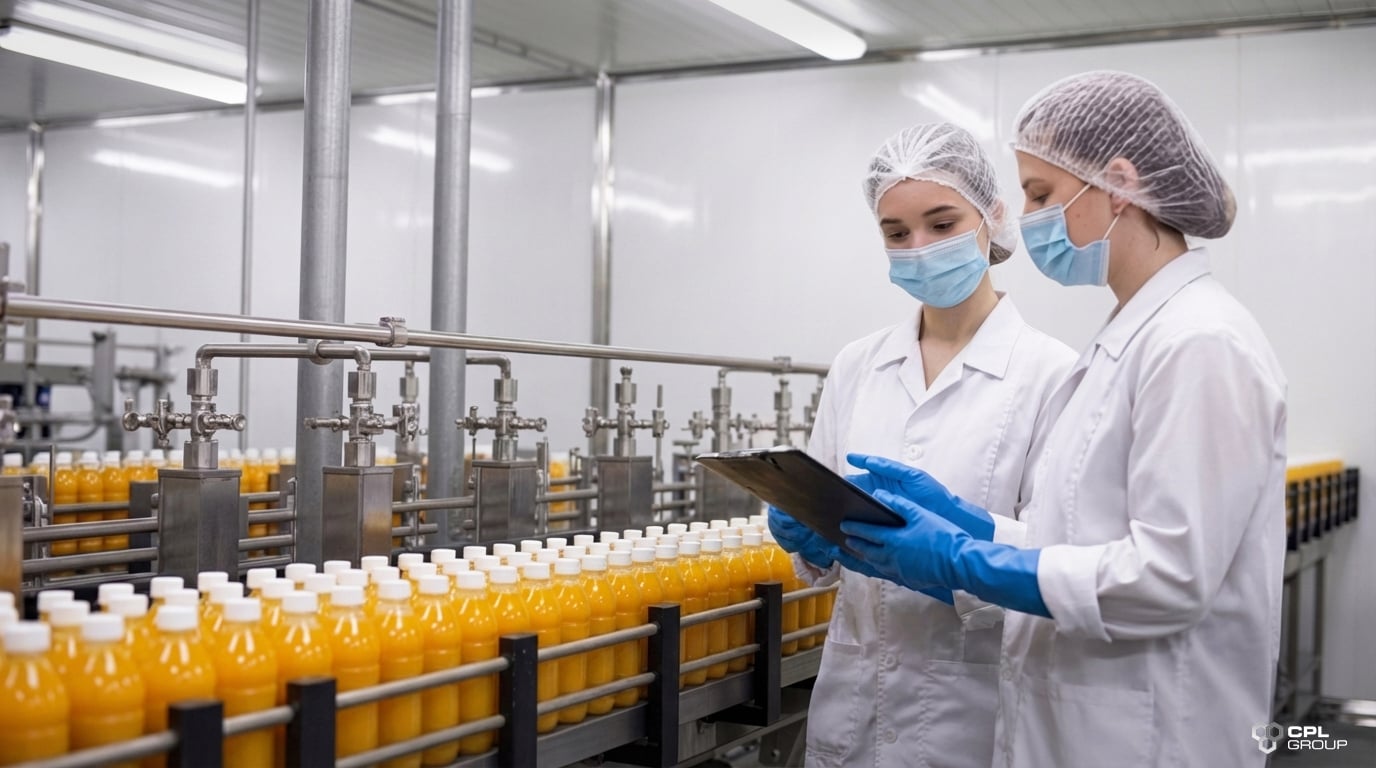
Food safety is no longer just about procedures—it’s about engineered environments.
Facilities that invest in structured temperature and contamination control systems gain:
- Greater product consistency
- Stronger compliance outcomes
- Lower long-term operating costs
- Reduced risk exposure
In an industry where margins are tight and compliance expectations are rising, the right infrastructure is no longer optional—it’s essential.
Conclusion
Protect Your Product. Protect Your Brand.
Temperature control, contamination prevention, and hygienic containment are not isolated priorities—they are interconnected systems that determine the success of modern food and beverage operations.
By implementing engineered containment solutions, facilities can reduce waste, protect product quality, and maintain compliance while improving long-term operational efficiency.
Talk to CPL Group about designing a food-safe, temperature-controlled environment tailored to your operation.
We look forward to supporting your next facility upgrade.