
TGA, Medsafe, MHRA, and the EU’s Annex 1 all describe clean room contamination control a little differently, but they generally sit on top of the same underlying standard: ISO 14644. This guide takes a broad look at what that means for multinational operators from a facility design perspective, without getting into the specific regulatory interpretation each market requires.
A Shared Starting Point Across Markets
Classification and monitoring methodology under ISO 14644 tends to stay fairly consistent across regions. What differs is how much additional structure each regulator builds on top of it, from general PIC/S GMP expectations through to the EU’s more formalised approach under Annex 1.
A facility built to a solid ISO 14644 standard is usually a good starting point for meeting most regional frameworks, though each market’s specific documentation and compliance requirements still need dedicated attention from your quality team. A well-planned approach to pharmaceutical clean room solutions can also help multinational operators create consistent, scalable facilities that support contamination control and regulatory compliance across multiple locations.
Local Requirements Still Matter
A shared technical foundation doesn’t mean every clean room should look identical regardless of location. Local factors, climate, energy costs, available contractors, and the specific risk profile of each site, still shape decisions like filtration sizing and layout.
The value of a consistent starting point isn’t that it removes the need for local judgement, it’s that it gives every site a common baseline to work from, rather than each one starting from scratch.
Managing Compliance Across a Growing Network
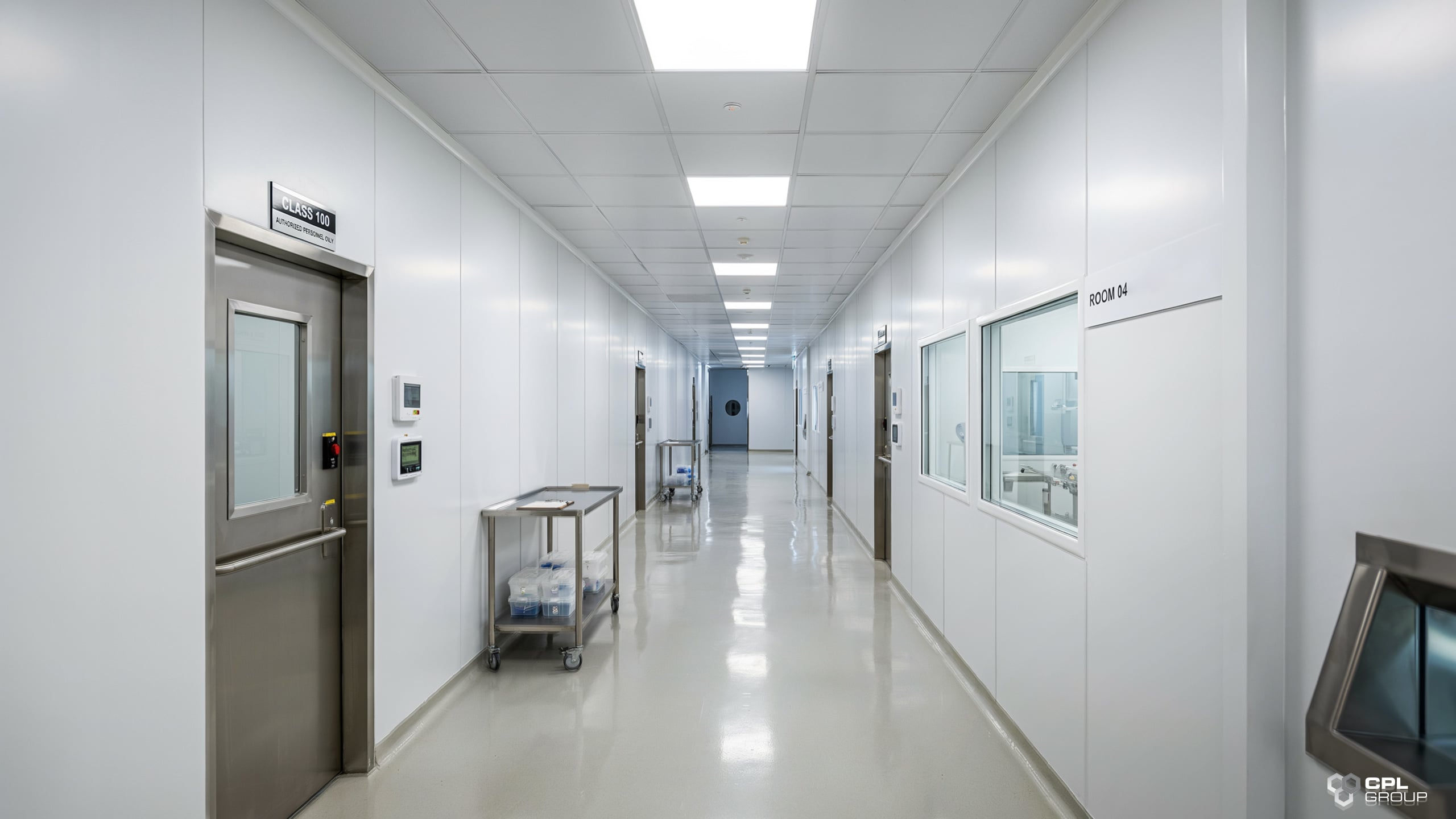
Multinational operators sometimes end up treating each region as a separate project, which can be slower and more expensive than necessary, since a lot of the underlying facility design work is genuinely reusable across markets.
This becomes particularly relevant during periods of expansion or acquisition, when a growing group may be bringing several sites with different histories together under one operating standard.
One Construction Standard, Applied Locally
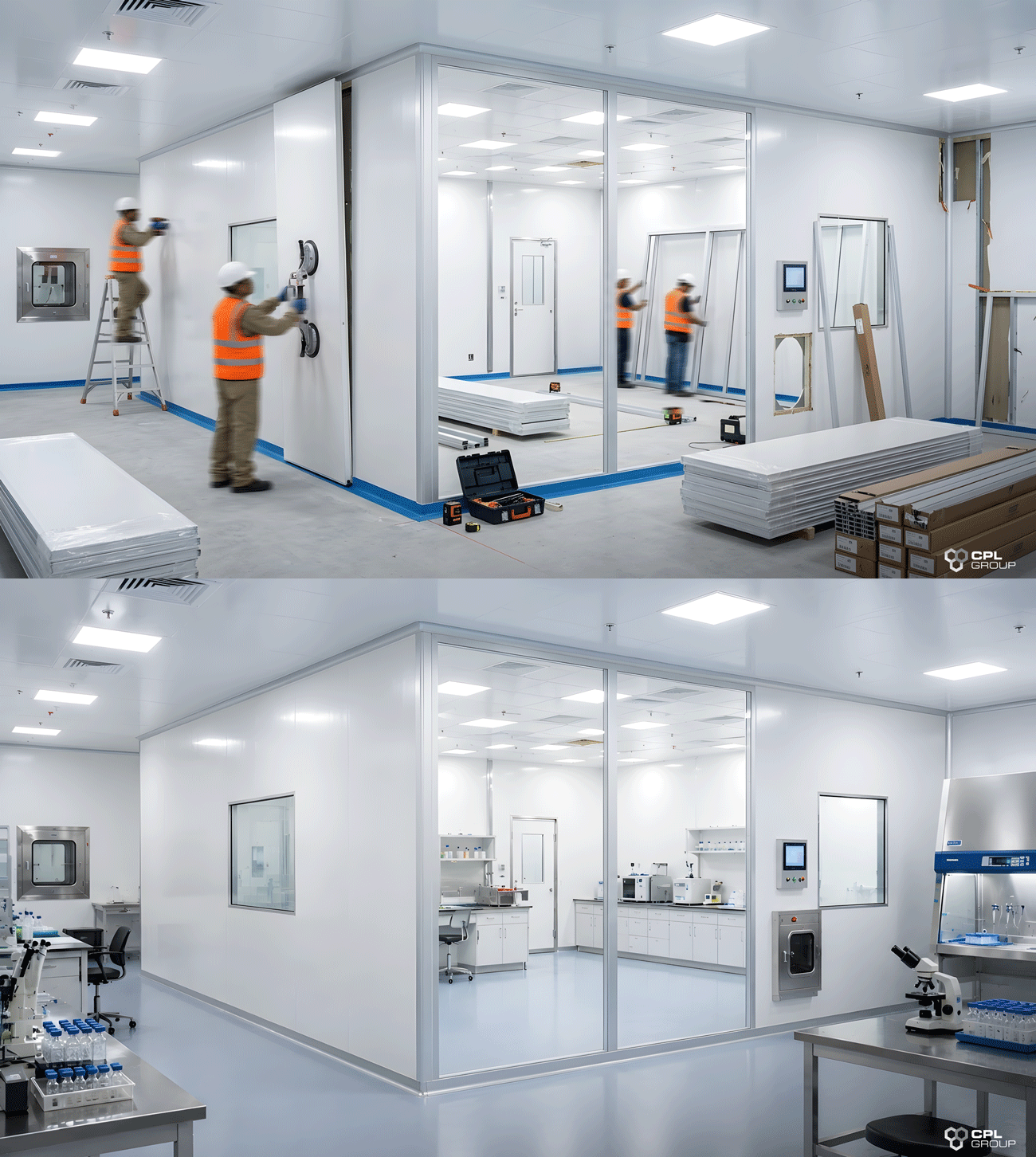
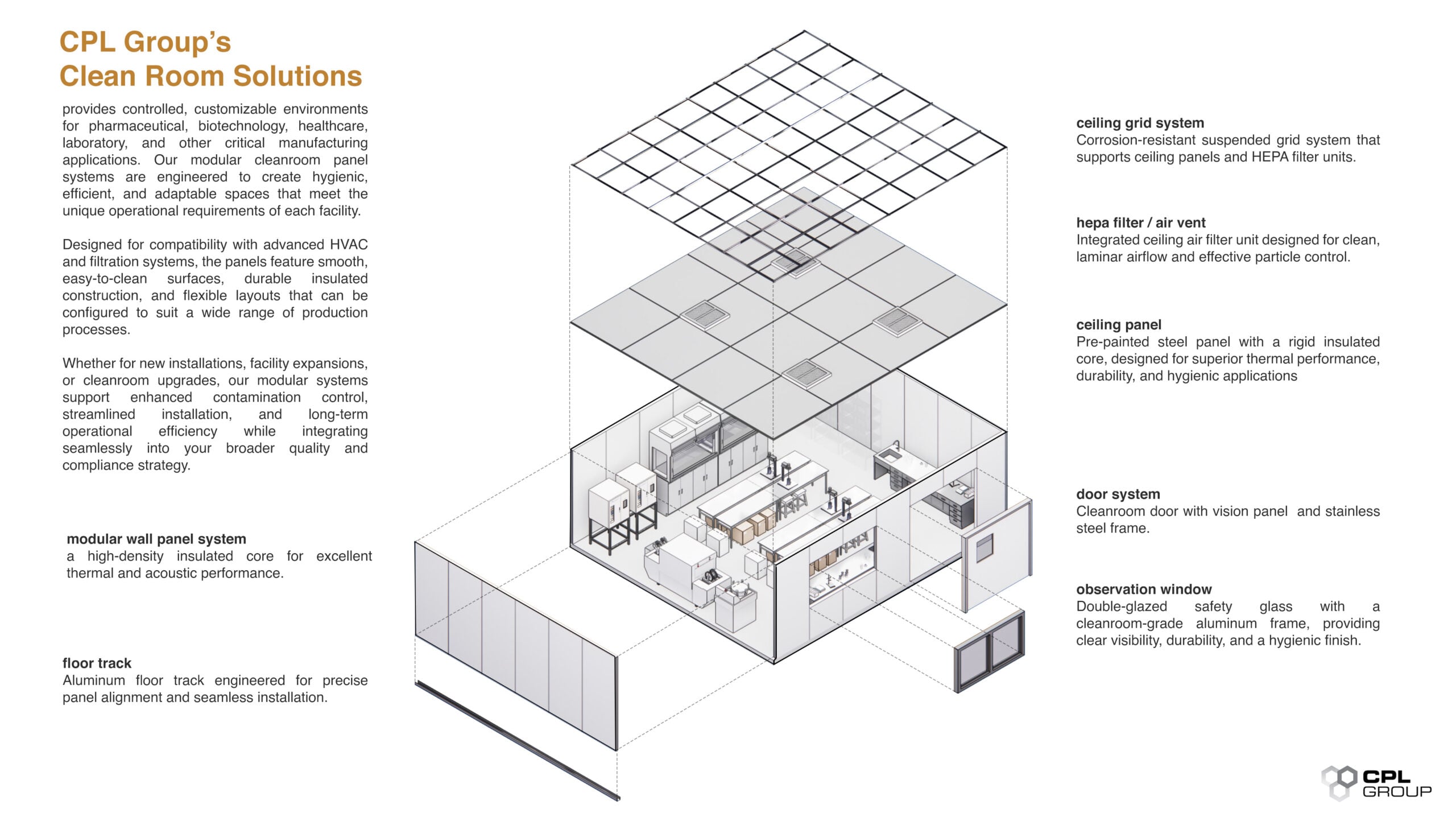
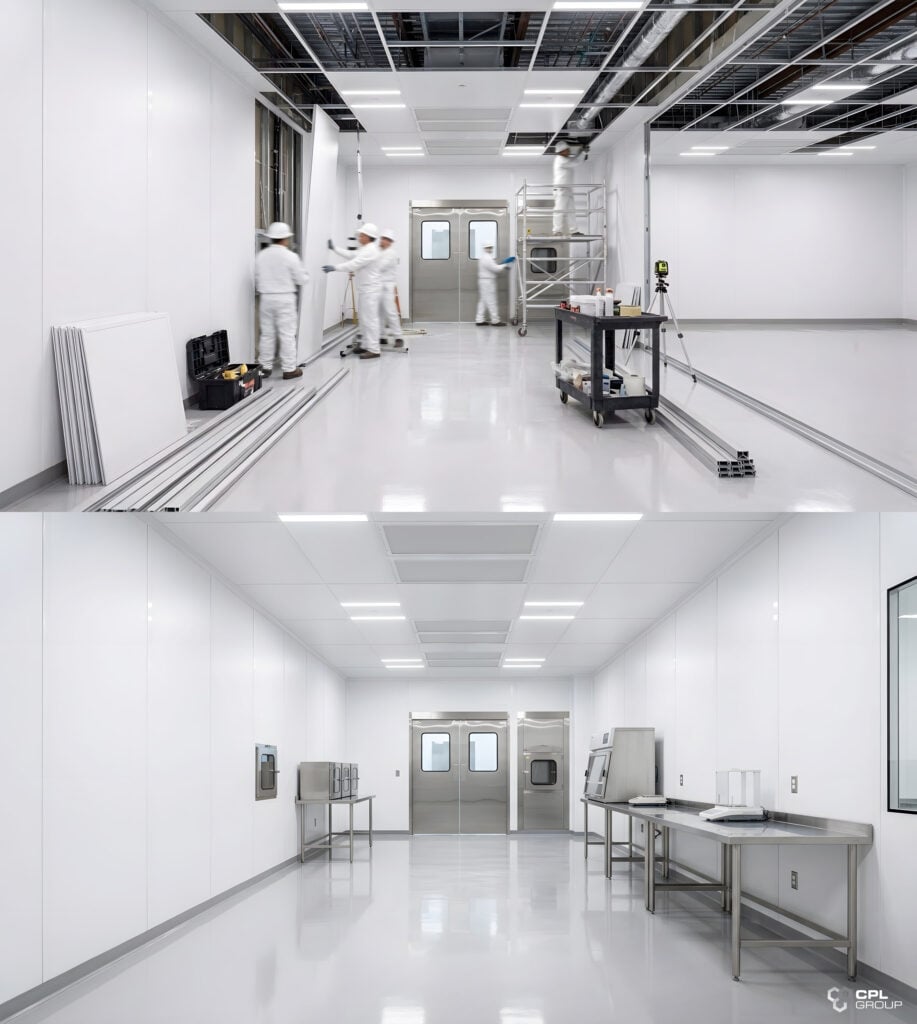
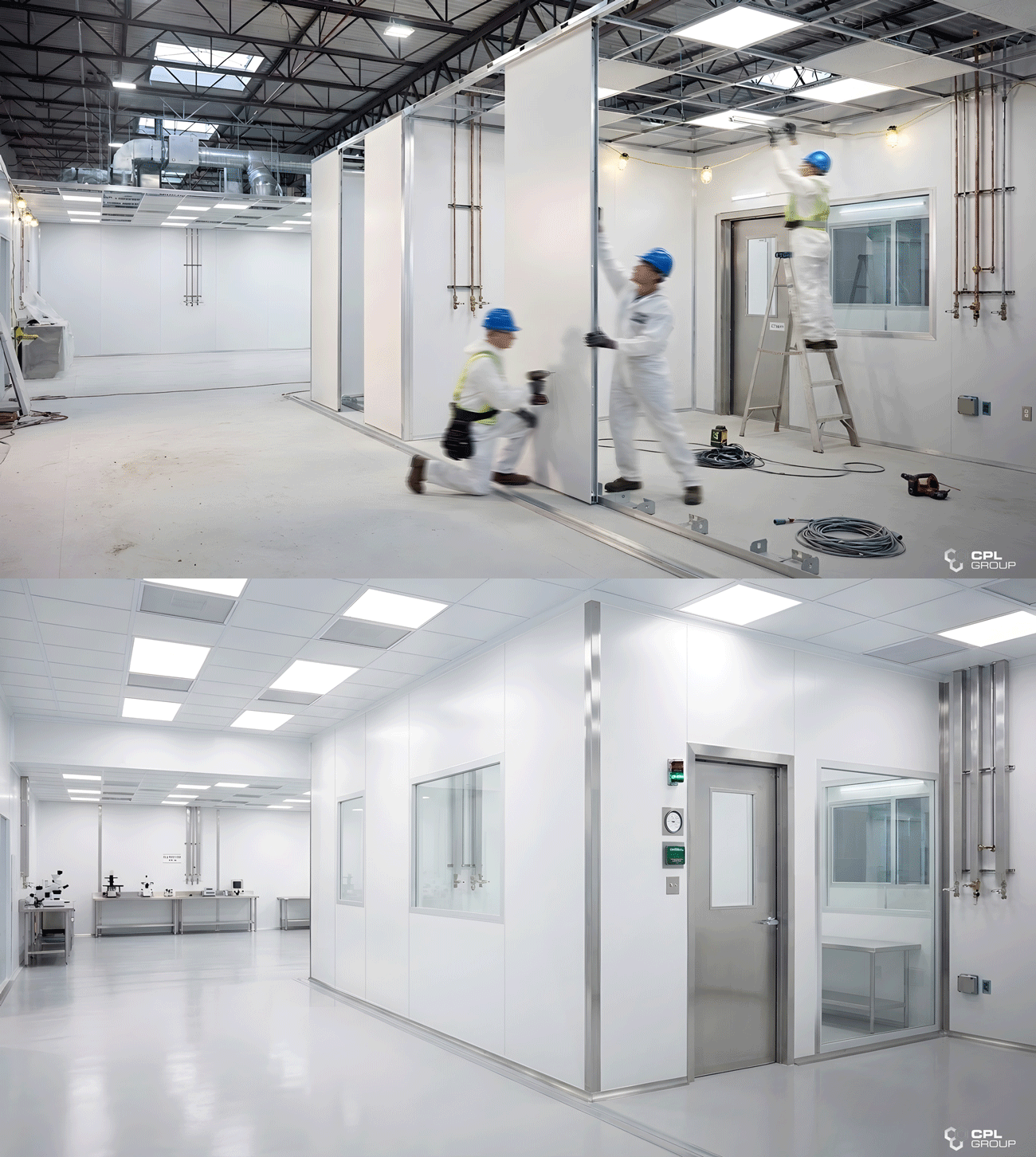
Standardising on the same modular panel system across sites can make it easier to compare facilities, transfer learnings between teams, and bring new sites up to a consistent standard more quickly.
It also simplifies vendor management for teams juggling multiple regional projects, since specifications, lead times, and support stay consistent regardless of where a build is happening.
What to Look for in a Clean Room Partner

For multi-site operators, it helps to work with a partner who can support the same construction standard across regions, rather than coordinating separate local suppliers with different specifications for every site.
Ask how a potential partner handles projects across multiple countries in practice, lead times, support arrangements, and documentation consistency all matter once you’re managing more than one facility.
A Couple of Common Misconceptions
One misconception is that global standardisation means every site ends up identical. In practice, a shared construction standard still leaves room for local factors like climate and site-specific risk to shape the details.
Another is that expanding into a new region means starting from zero. A well-tested facility design approach from existing sites is usually a strong starting point, even before local specifics are layered on.
A Few Questions Worth Asking Early
It’s worth asking a potential partner how they support projects across different time zones and regulatory environments in practice, not just whether they technically operate internationally.
It’s also worth asking how consistent their materials and construction methods are from region to region, since that consistency is often what makes multi-site comparisons and audits easier down the track.
Frequently Asked Questions
Is ISO 14644 used globally for pharmaceutical clean rooms?
ISO 14644-1 and 14644-2 are widely referenced internationally for clean room classification and monitoring, though how each national regulator builds on that standard varies.
What do most regional clean room frameworks have in common?
Most generally expect classification and monitoring against ISO 14644, along with some form of pressure control and facility design that supports contamination control, though the specific documentation requirements differ by region.
Should a multinational operator use the same clean room design everywhere?
Many find it helpful to standardise on the same modular construction approach across sites, while still adapting local details like filtration sizing to each site’s specific conditions.
Is the EU’s Contamination Control Strategy relevant outside the EU?
It’s formally an EU Annex 1 requirement, but the underlying idea, treating facility design, monitoring, and procedure as one connected system, is a useful way to think about contamination control anywhere.
How CPL Group Can Help
CPL Group supplies Clean Room Solutions internationally, giving multinational pharmaceutical and laboratory operators a consistent, modular construction standard to work from wherever they’re building.
Documentation is available on request, and our team can talk through how a consistent approach might work across your specific network of sites.
Managing clean room facilities across more than one country? Get in touch with CPL Group for a free quote or to request a product brochure.