
Our most recent article, Pharmaceutical and Laboratory Facility Compliance, gave a global overview of the pillars that pharmaceutical and laboratory facilities need to address.
This companion piece connects that overview to the regional cold chain deep-dives we’ve published for AU, NZ, EU, and UK operators, by looking at the common baseline behind all of them: the World Health Organization’s Technical Report Series 961, Annex 9, and the PIC/S GMP Guide.
Why a Global Cold Chain Standard Doesn’t Mean One-Size-Fits-All
Multinational pharmaceutical and laboratory operators need to satisfy a WHO- and PIC/S-informed baseline while also meeting each local regulator’s specific requirements, whether that’s the TGA in Australia, Medsafe in New Zealand, national authorities operating under EU GDP and GMP, or the MHRA in the UK.
Designing facilities consistently reduces the burden of proving compliance separately in every market.
The Common Thread: What WHO and PIC/S Both Require
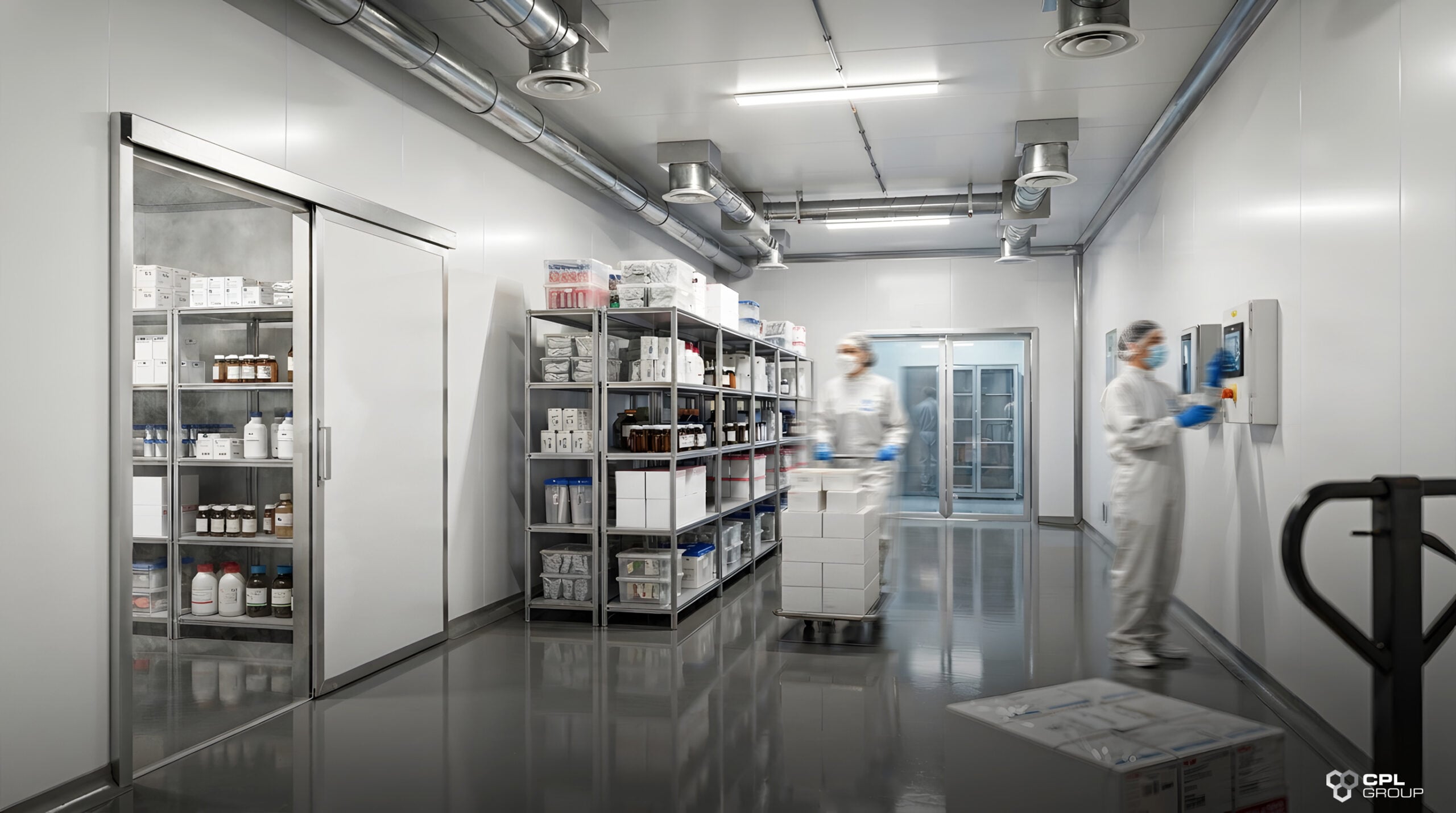
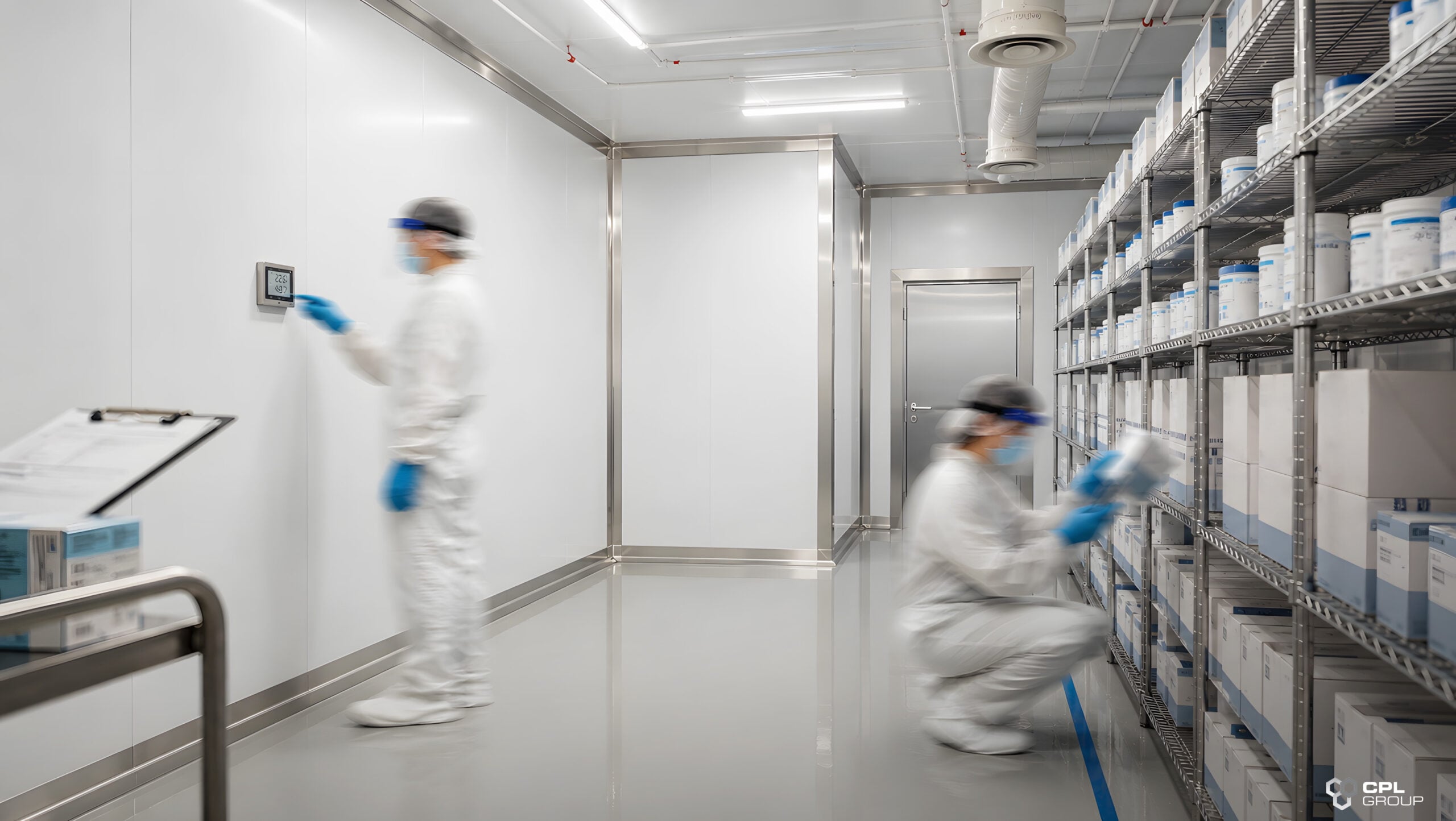
Across every regional framework we’ve reviewed, the same pillars recur: qualification and validation of storage equipment, temperature mapping under worst-case conditions, continuous monitoring with independent alarms, documented deviation and CAPA management, and a quality risk management approach to assessing product impact when something goes wrong.
Designing One Facility Standard for Every Market
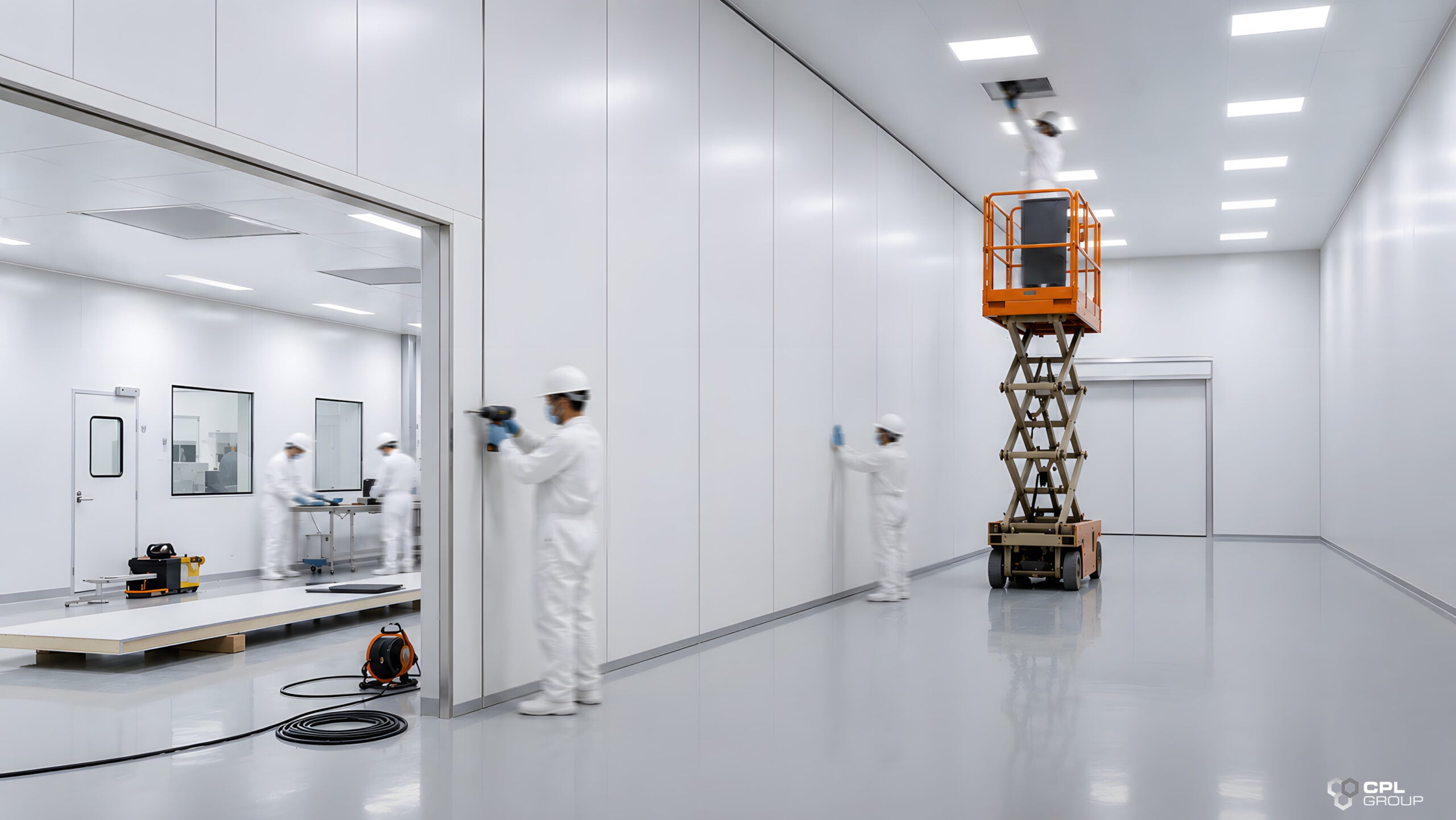
For groups operating across borders, standardising on modular, validated panel systems, rather than treating each site as a bespoke build, means mapping and validation methodology can transfer between locations, simplifying both internal audits and regulatory inspections. It also shortens the time needed to bring a new facility online in a new market.
CPL Group’s Global Cold Chain Capability
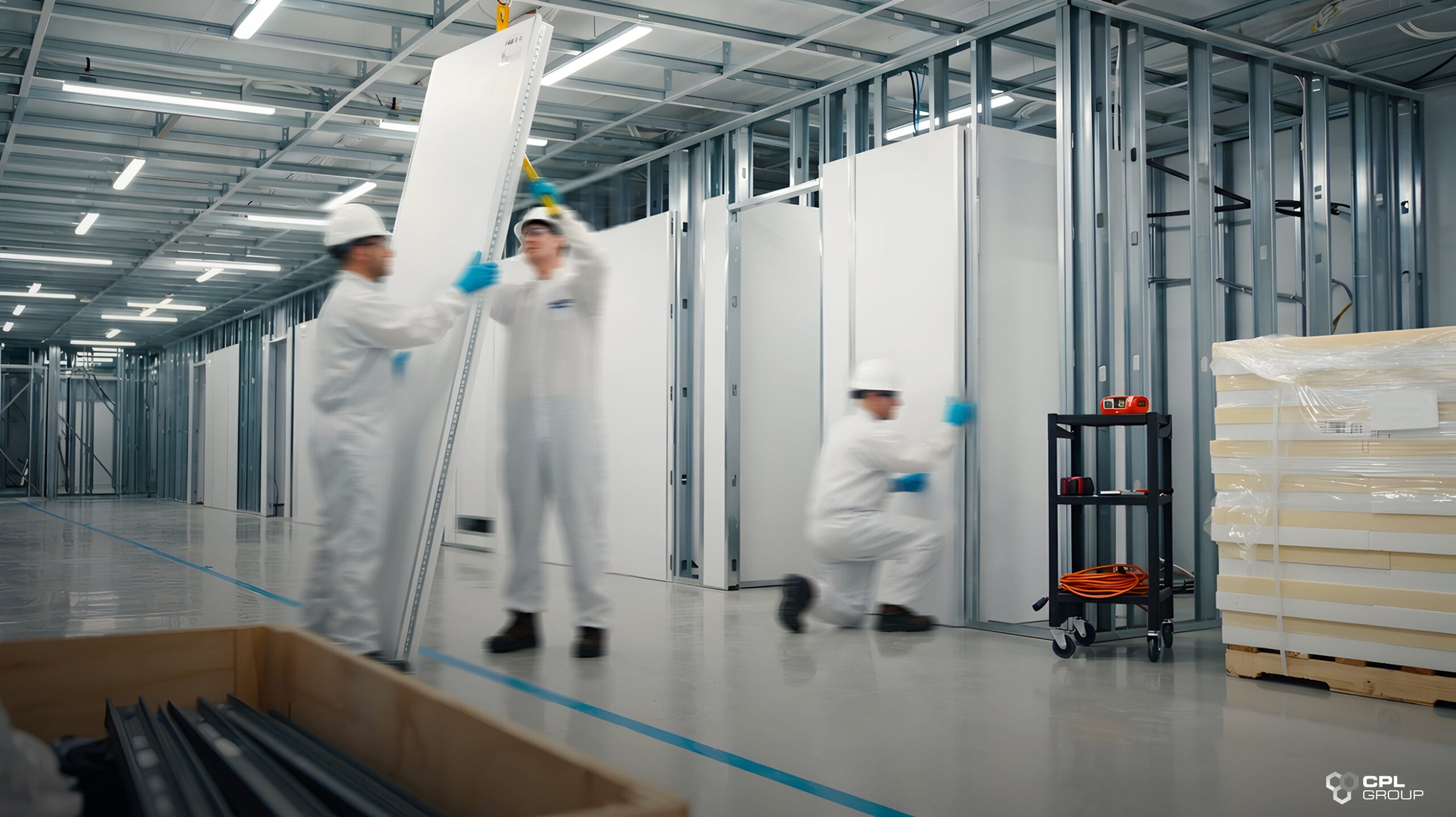
CPL Group‘s PVC and panel products are supplied internationally, backed by decades of thermal engineering experience.
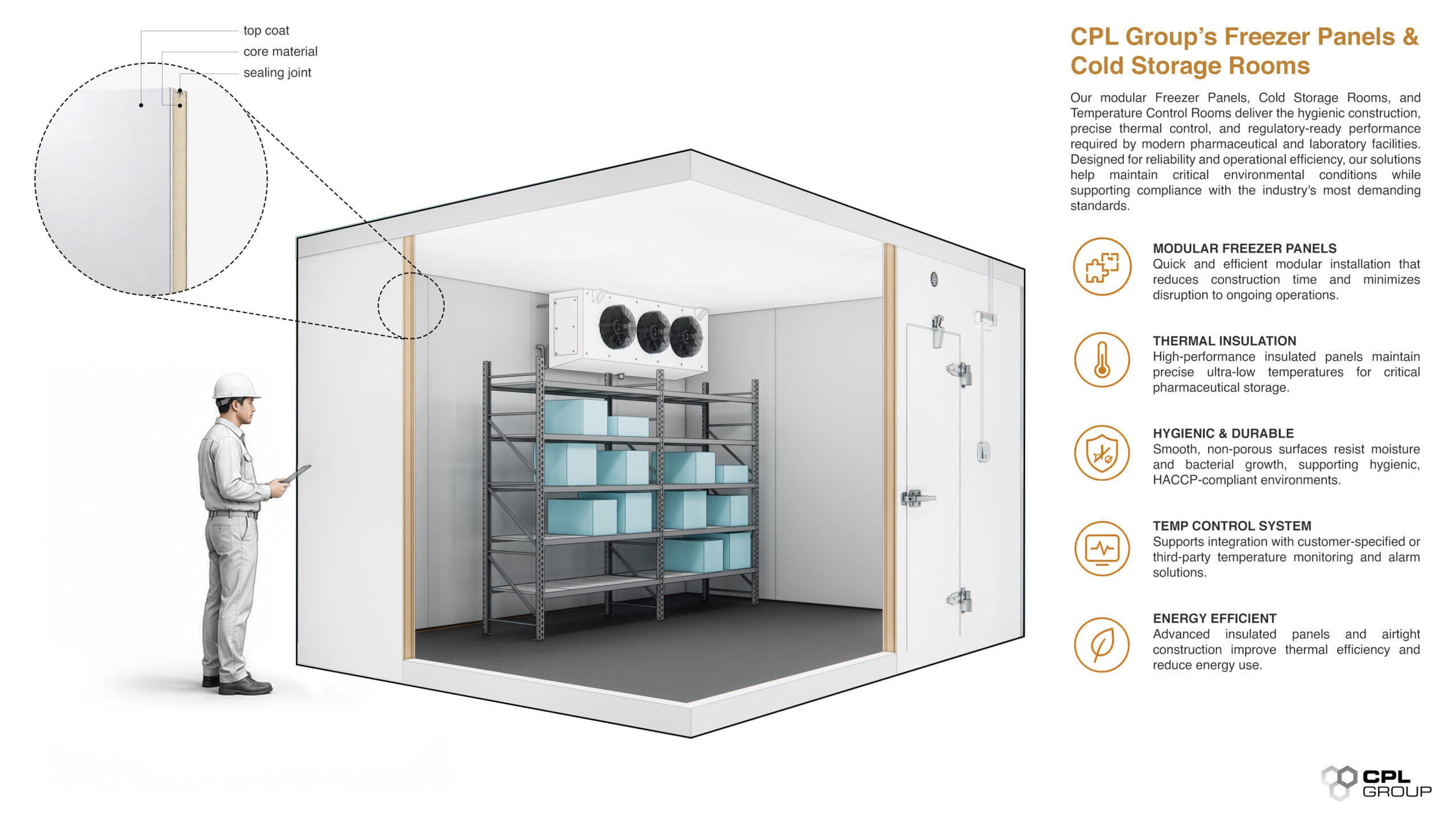
Our Freezer Panels and Cold Storage Rooms provide the modular, hygienic, HACCP-compliant foundation that WHO and PIC/S-aligned facilities need, while our Temperature Control Rooms support the tighter ambient conditions many pharmaceutical and laboratory processes require beyond standard refrigeration or freezing.
Frequently Asked Questions
Is there one global standard for pharmaceutical cold chain storage?
There’s no single binding global law, but WHO Technical Report Series 961, Annex 9 provides model guidance that most national frameworks, including those enforced by the TGA, Medsafe, EU authorities, and MHRA, draw on, alongside the PIC/S GMP Guide.
What do most regional cold chain regulations have in common?
Nearly all require qualification and validation of storage equipment, temperature mapping under worst-case conditions, continuous monitoring with alarms, and a documented process for managing temperature excursions.
How should a multinational pharma company approach facility design across regions?
Standardising on the same validated panel construction and monitoring approach across sites makes it easier to transfer mapping methodology and audit evidence between markets, rather than treating each facility as a one-off design.
Does IATA CEIV Pharma certification relate to facility cold chain compliance?
CEIV Pharma primarily certifies air cargo handling for temperature-sensitive pharmaceuticals, but it reinforces the same storage and monitoring principles that apply to fixed pharmaceutical and laboratory facilities.
Build a Consistent Global Cold Chain Compliance Strategy
Achieving global cold chain compliance requires more than reliable refrigeration. It demands validated infrastructure, continuous environmental monitoring, comprehensive documentation, and engineering solutions designed to support international regulatory expectations.
Download our Global Cold Chain Readiness Guide to compare compliance requirements across major pharmaceutical markets. You can also explore our regional guides for Australia, New Zealand, Europe, and the United Kingdom, or contact CPL Group to discuss modular cold storage solutions designed for consistent compliance across your international facilities.