The 2022 revision of EU GMP Annex 1 introduced the idea of a Contamination Control Strategy, a single, connected plan covering facility design, equipment, personnel, and monitoring. This guide looks at what that generally involves from a facility design perspective, while leaving the detailed regulatory interpretation to your own quality and compliance team.
A Different Way of Thinking About Compliance
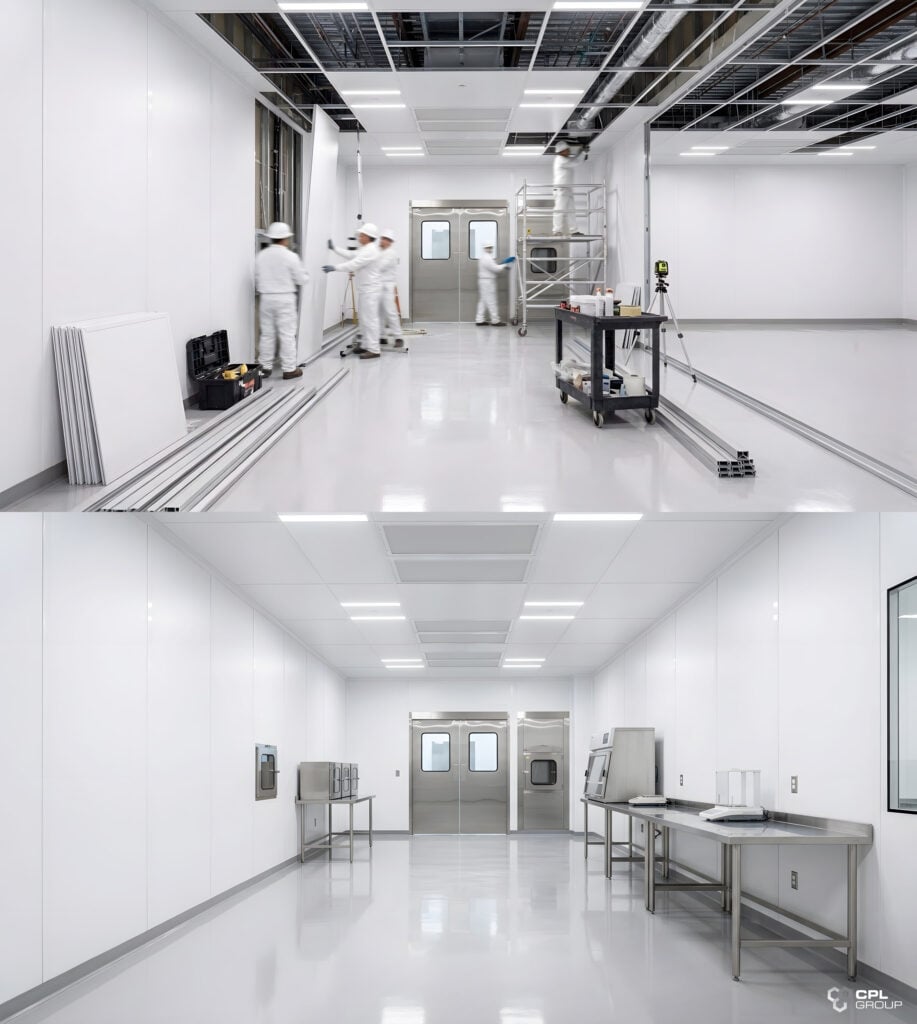
Annex 1 encourages facilities to think about contamination control as one connected system rather than a set of separate procedures. In practice, that means classification, monitoring, cleaning, and facility design all need to work together and be documented in a way that shows how they connect.
Building that strategy is very much your quality team’s job. Where facility design comes in is making sure the physical space genuinely supports whatever approach they land on, rather than working against it.
Classification Is Still the Starting Point
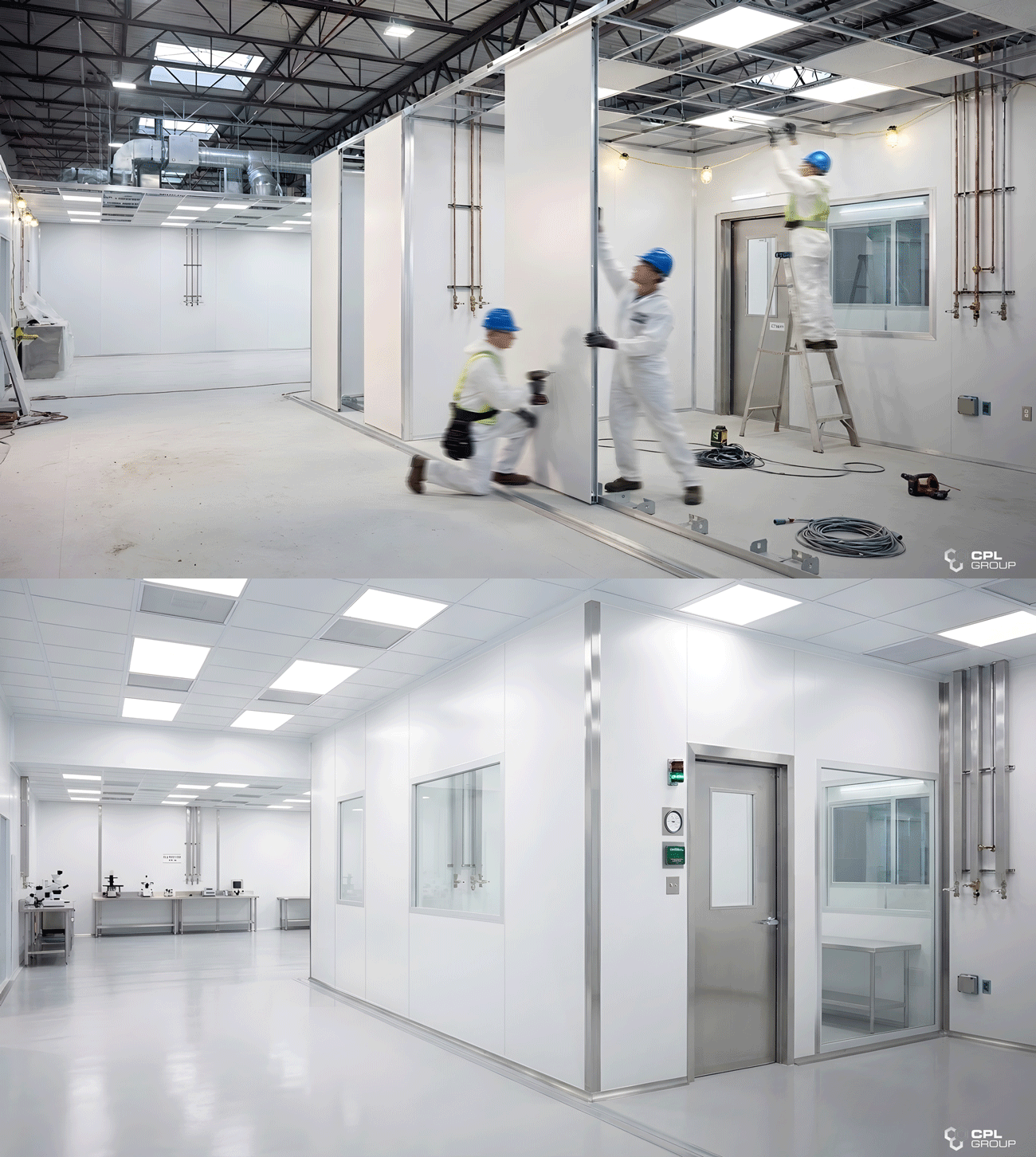
ISO 14644-1 remains the technical standard for classifying clean rooms, from the cleanest critical zones through to general support areas. Annex 1 adds expectations around monitoring frequency and documented reasoning on top of that baseline.
For many sites, this has meant paying closer attention to how facility design decisions, panel materials, joint sealing, and airflow, are documented and justified as part of the overall strategy, rather than treated as background engineering choices.
Facility Design as Part of the Bigger Picture
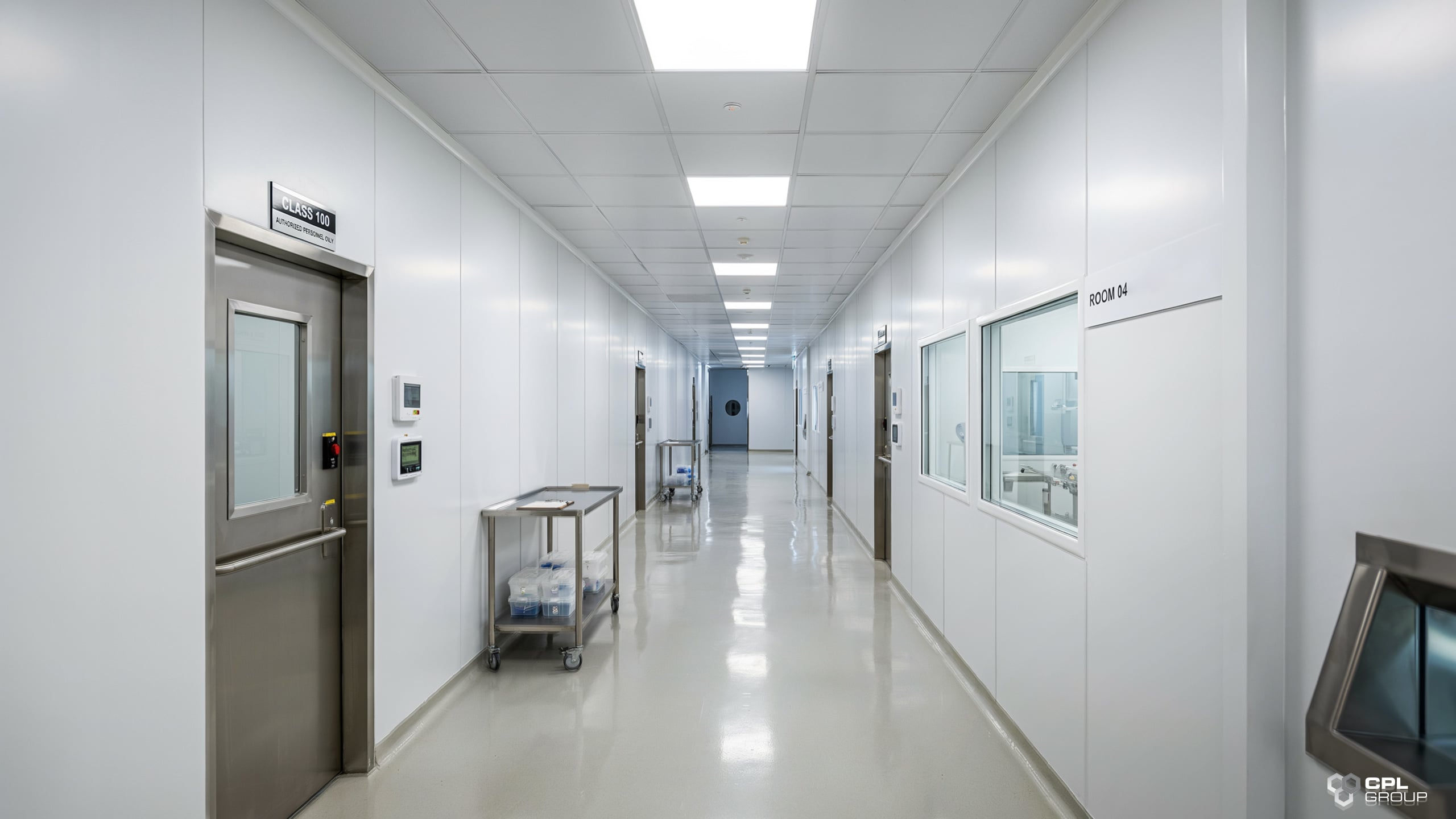
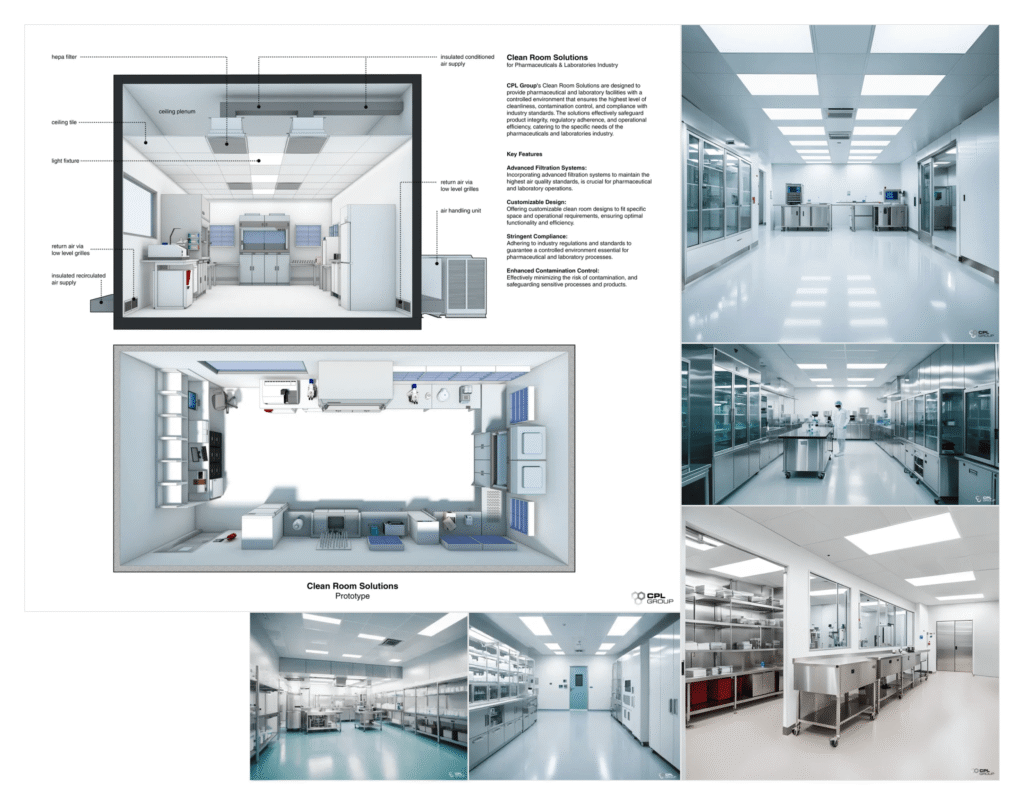
A well-designed clean room, with sealed joints, coved corners, and reliable filtration, can reduce the number of contamination risks a facility needs to manage through procedure alone. That’s a useful thing to have on your side when building out a broader pharmaceutical and laboratory facility compliance strategy.
It’s worth treating facility design as one part of a larger conversation with your quality team, rather than a separate, standalone project.
Managing Compliance Across Multiple Sites
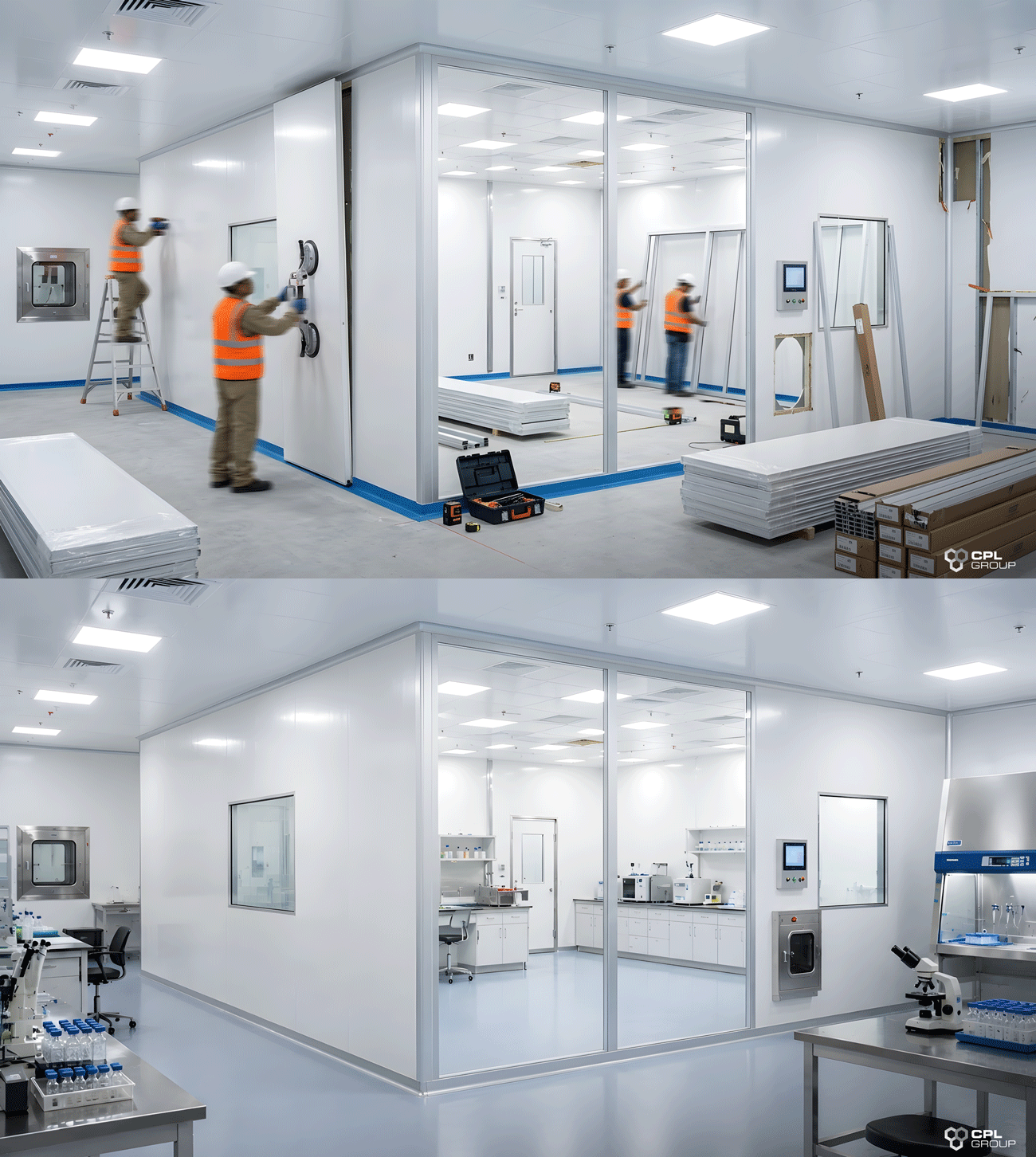
EU operators with more than one site sometimes find that each facility ends up documenting its approach slightly differently, which can make comparing sites, or transferring learnings between them, more difficult than it needs to be.
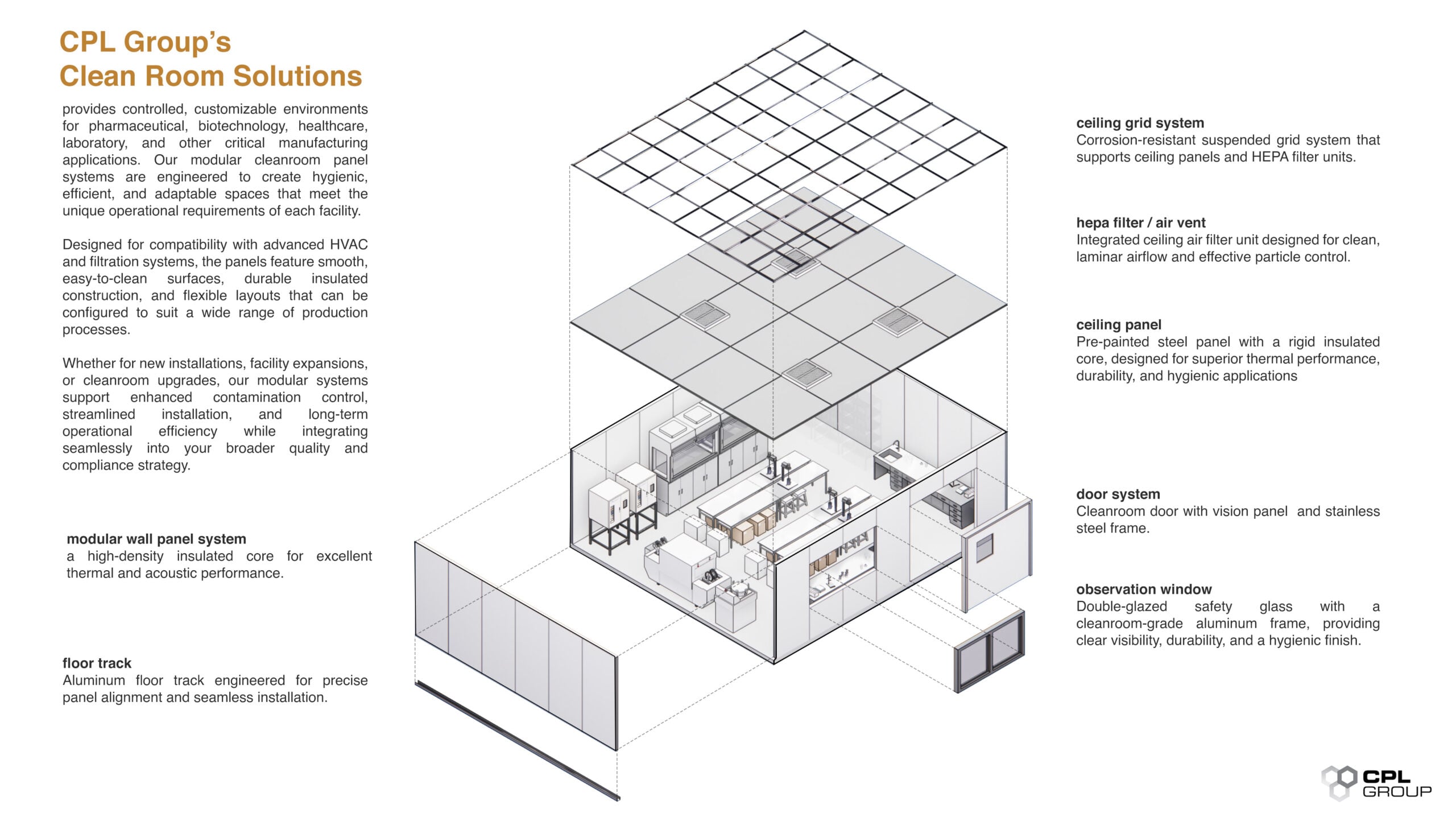
Using a consistent panel system and construction approach across sites can make this easier, since the underlying facility design stays the same even as each site’s specific documentation is tailored to its own operation.
What to Look for in a Clean Room Partner

It helps to work with a partner who understands both the construction side and how facility design fits into a broader Annex 1 strategy, even though the strategy itself stays with your quality team.
A modular system also gives you more flexibility to standardise across sites over time, rather than each facility ending up with its own bespoke approach to construction and documentation.
A Couple of Common Misconceptions
One misconception is that Annex 1 compliance is purely a documentation exercise. In practice, the facility itself, sealed joints, reliable filtration, coved corners, plays a real role in how credible that documentation is.
Another is that a CCS only needs to be written once. Most quality teams treat it as a living document that gets revisited as the facility, equipment, or processes change.
A Few Questions Worth Asking Early
It’s worth asking a potential partner whether they can support the same construction standard across more than one EU country, since sourcing separately in each market can lead to inconsistent facility design over time.
It’s also worth asking how a supplier documents materials and construction methods, since this documentation often needs to sit alongside your own CCS paperwork.
Frequently Asked Questions
What is a Contamination Control Strategy under Annex 1?
A Contamination Control Strategy is a documented plan, required under the 2022 revision of EU GMP Annex 1, that covers facility design, equipment, personnel, and monitoring as one connected system. Your quality team would typically own this document.
Does ISO 14644 still apply under Annex 1?
Yes, ISO 14644-1 remains the underlying standard for clean room classification. Annex 1 adds further expectations around monitoring and documentation on top of it.
Does facility design affect a Contamination Control Strategy?
Generally, yes. Features like sealed joints, coved corners, and reliable filtration can reduce the number of risks that need to be managed through procedure, which can support a broader CCS.
Can one panel system work across multiple EU sites?
Many multi-site operators use a consistent panel system across locations to keep facility design comparable, even where each site’s specific documentation differs.
How CPL Group Can Help
CPL Group’s Clean Room Solutions provide controlled, customisable clean room environments, with modular panel systems, advanced filtration compatibility, and hygienic surfaces designed to support enhanced contamination control across multiple sites.
Documentation is available on request, and our modular approach means the same construction standard can be applied consistently across your EU operations.
Looking to build or upgrade a clean room across one or more EU sites? Get in touch with CPL Group for a free quote or to request a product brochure.