
In most food processing facilities, maintaining separation between activities is one of the biggest operational challenges.
As production volumes increase and workflows become more complex, the movement of people, equipment, and product between areas introduces risk. Without clear zoning, it becomes difficult to maintain consistent hygiene standards or respond confidently during audits.
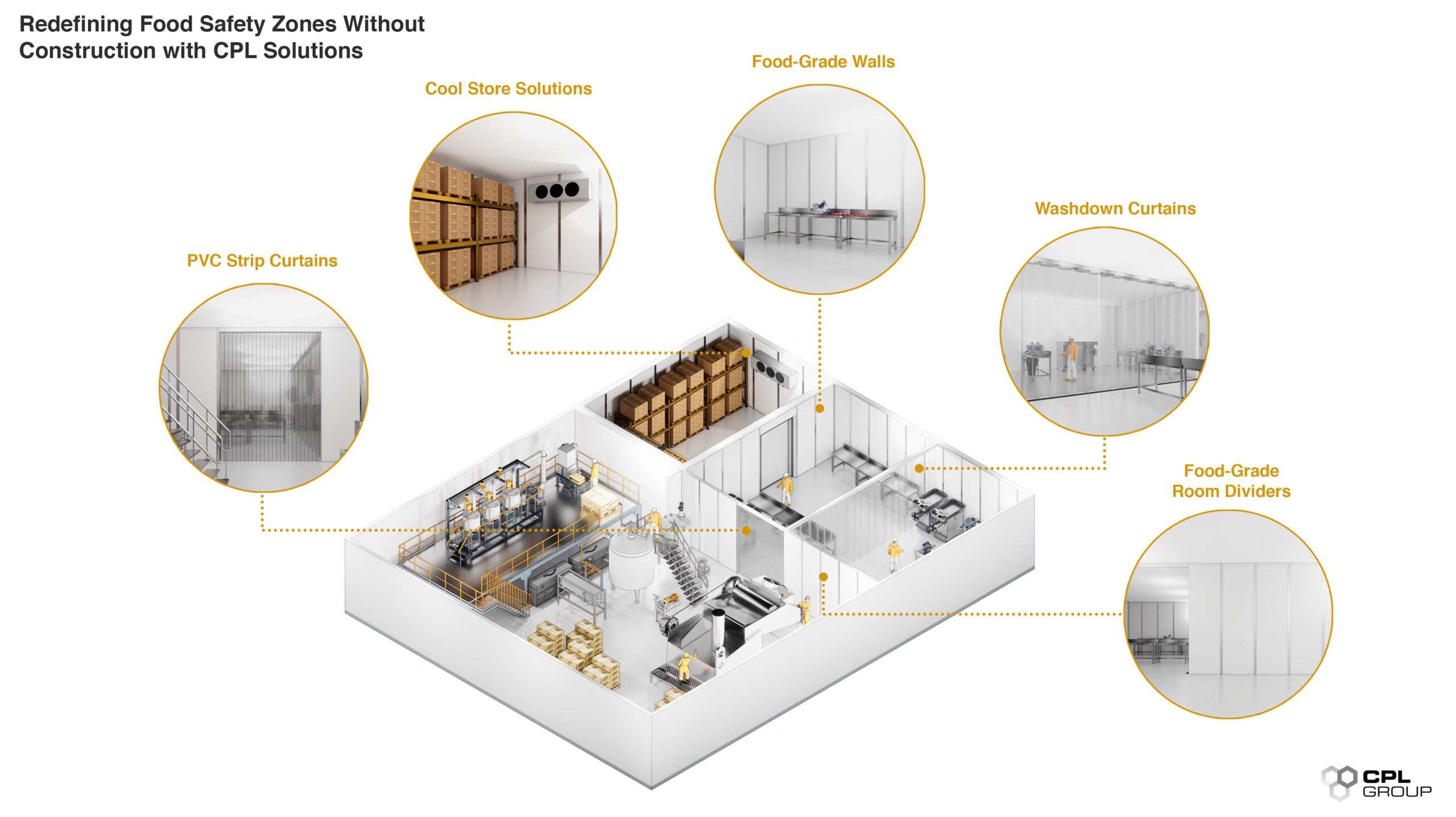
This is why many facilities are reviewing how their spaces are divided—and looking for practical ways to introduce better separation using systems such as:
- Food-Grade Walls
- Cool Store Solutions
- Food-Grade Room Dividers
- Washdown Curtains
- PVC Strip Curtains
These systems allow facilities to introduce controlled separation without major downtime.
Planning to Improve Food Safety Separation?
Talk to CPL about food-grade walls, cool store systems, and flexible divider solutions suited to your production layout.
Where Cross-Contamination Risks Typically Start
Most contamination issues don’t start with equipment—they start with movement between zones.
Airflow, people, pallets, and equipment all move through production areas. Without proper physical separation, it becomes difficult to maintain consistent hygiene boundaries.
Common risk points include:
- Movement between raw and processed zones
- Shared access points
- Poorly defined storage areas
- Open workflow layouts
Installing food-grade wall systems and divider solutions helps control these movement pathways and keeps zones properly defined.
This becomes especially important during audits and routine inspections.
Creating New Food Safety Zones Without Rebuilding
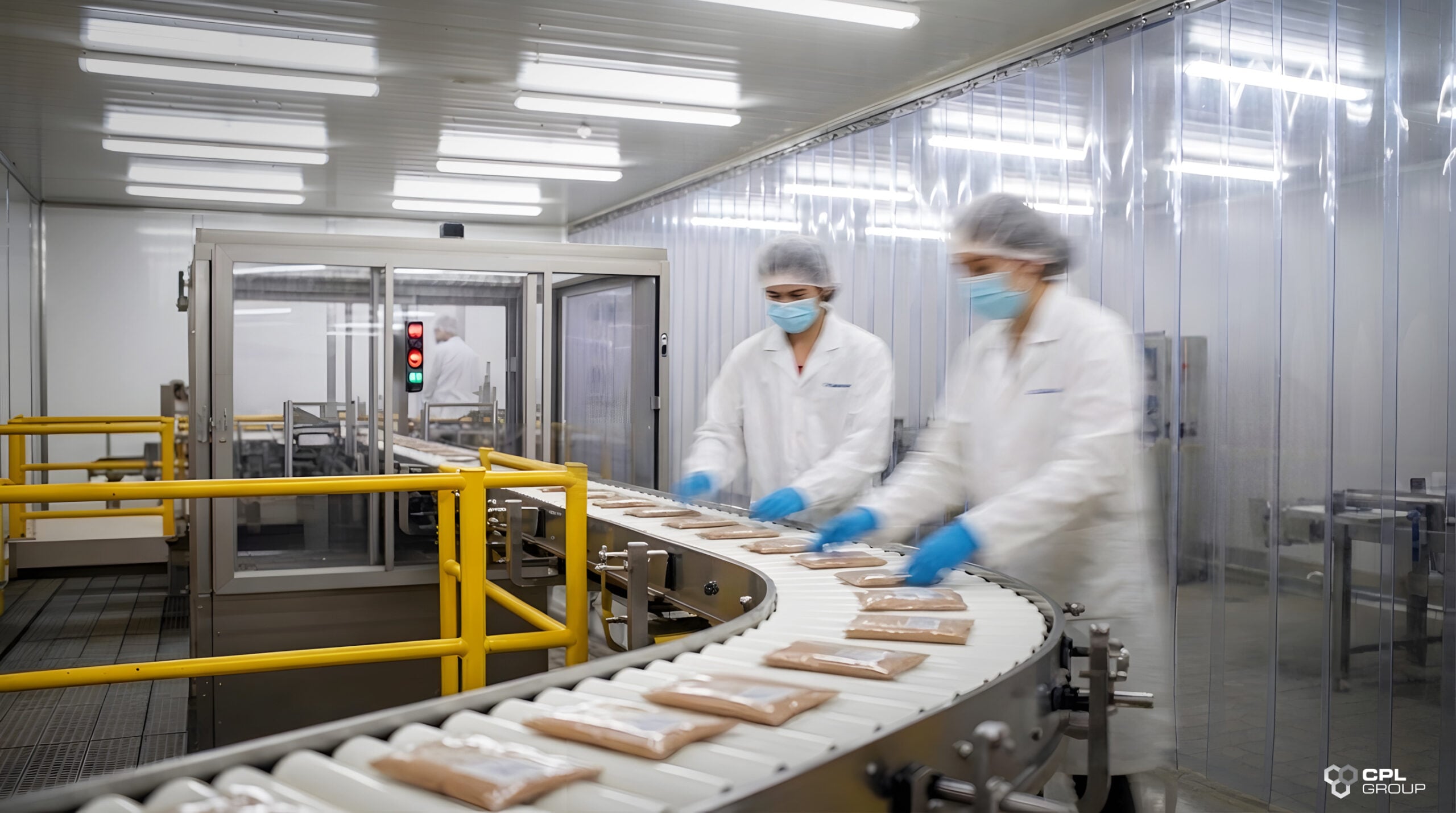
One of the biggest challenges facilities face is adding new zones without disrupting existing production.
Structural construction often means:
- Shutdown periods
- Lost production time
- High installation costs
- Limited flexibility later
Modular systems provide a more practical approach.
Facilities can create defined zones such as:
- Raw receiving areas
- Processing zones
- Packaging areas
- Cool storage sections
- Washdown areas
Using food-grade walls and divider systems, these areas can be installed or expanded with minimal disruption.
Typical CPL solutions used include:
- Food-Grade Walls for permanent hygienic separation
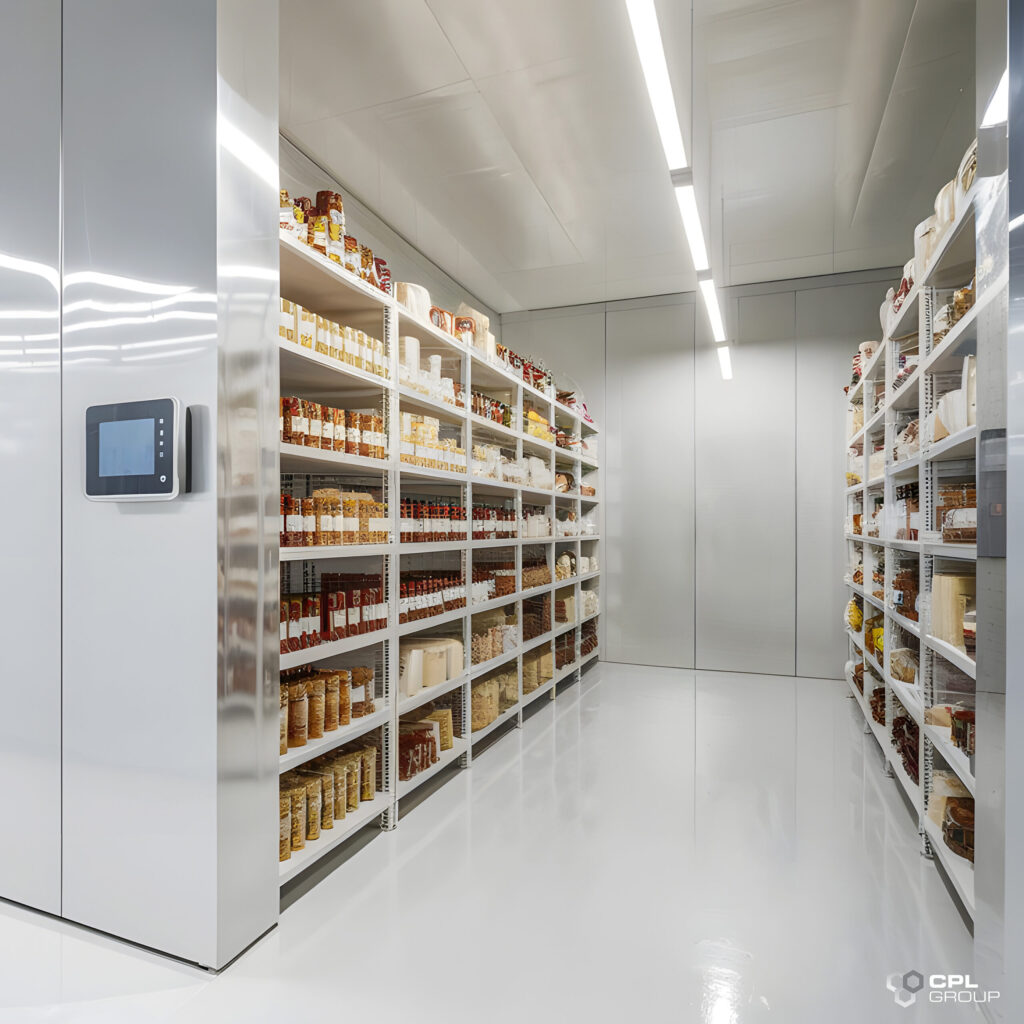
- Cool Store Solutions for controlled temperature storage
- Food-Grade Room Dividers for flexible internal zoning
- Washdown Curtains in wet processing areas
- PVC Strip Curtains to maintain separation at access points
This approach supports day-to-day production rather than interrupting it.
Managing Temperature Between Production Areas
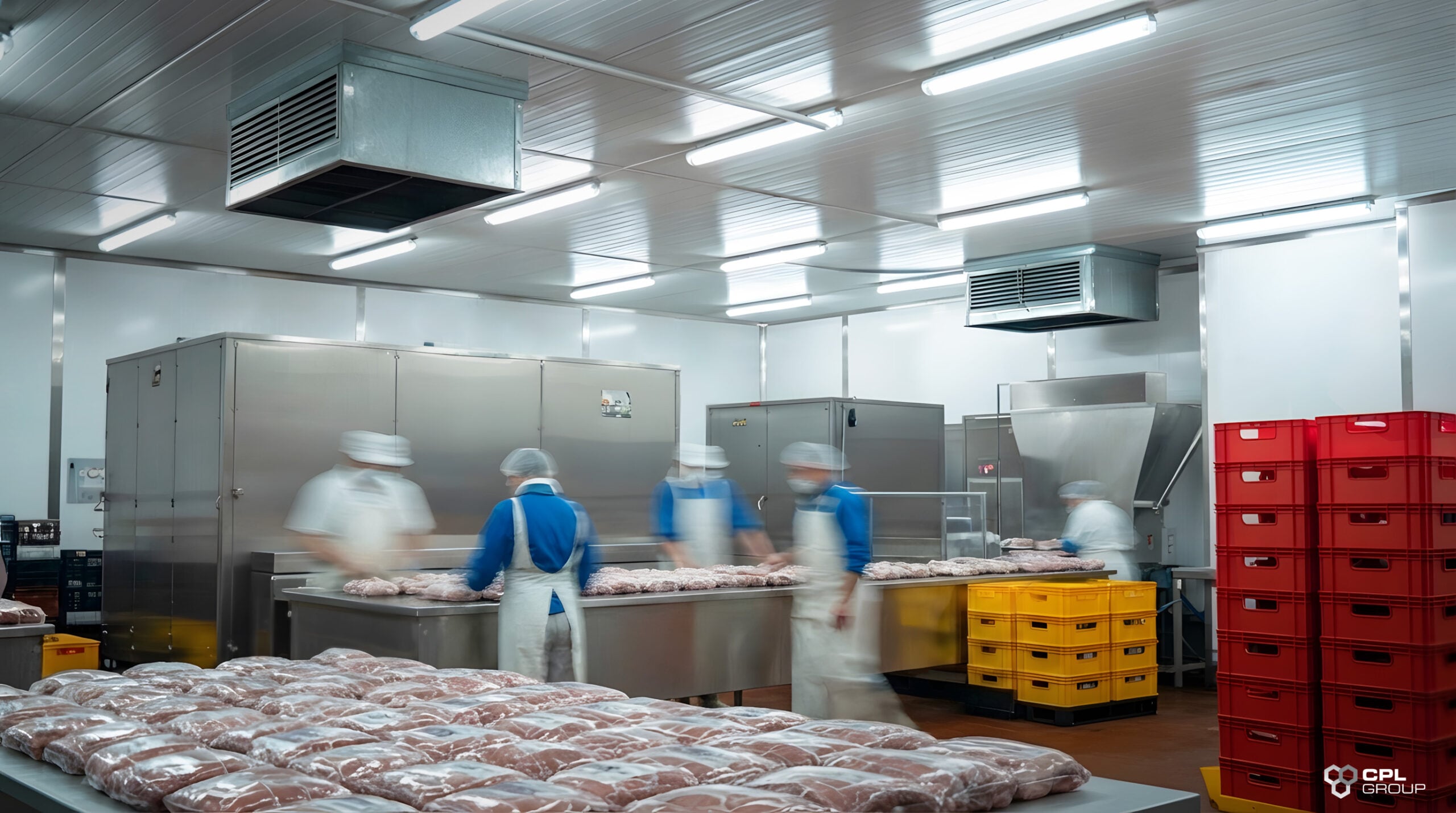
Temperature control plays a major role in food safety.
Products moving between chilled storage and processing areas need stable environments to maintain quality and compliance.
Many facilities use cool store solutions alongside food-grade walls to create reliable temperature-controlled zones.
This setup helps:
- Maintain product quality
- Reduce temperature fluctuation
- Support regulatory requirements
- Improve storage reliability
It also allows facilities to separate cold storage from general processing areas without requiring full structural rebuilds.
This is particularly common in:
- Meat processing
- Dairy operations
- Prepared food facilities
- Frozen product storage
Making Cleaning and Washdown More Practical
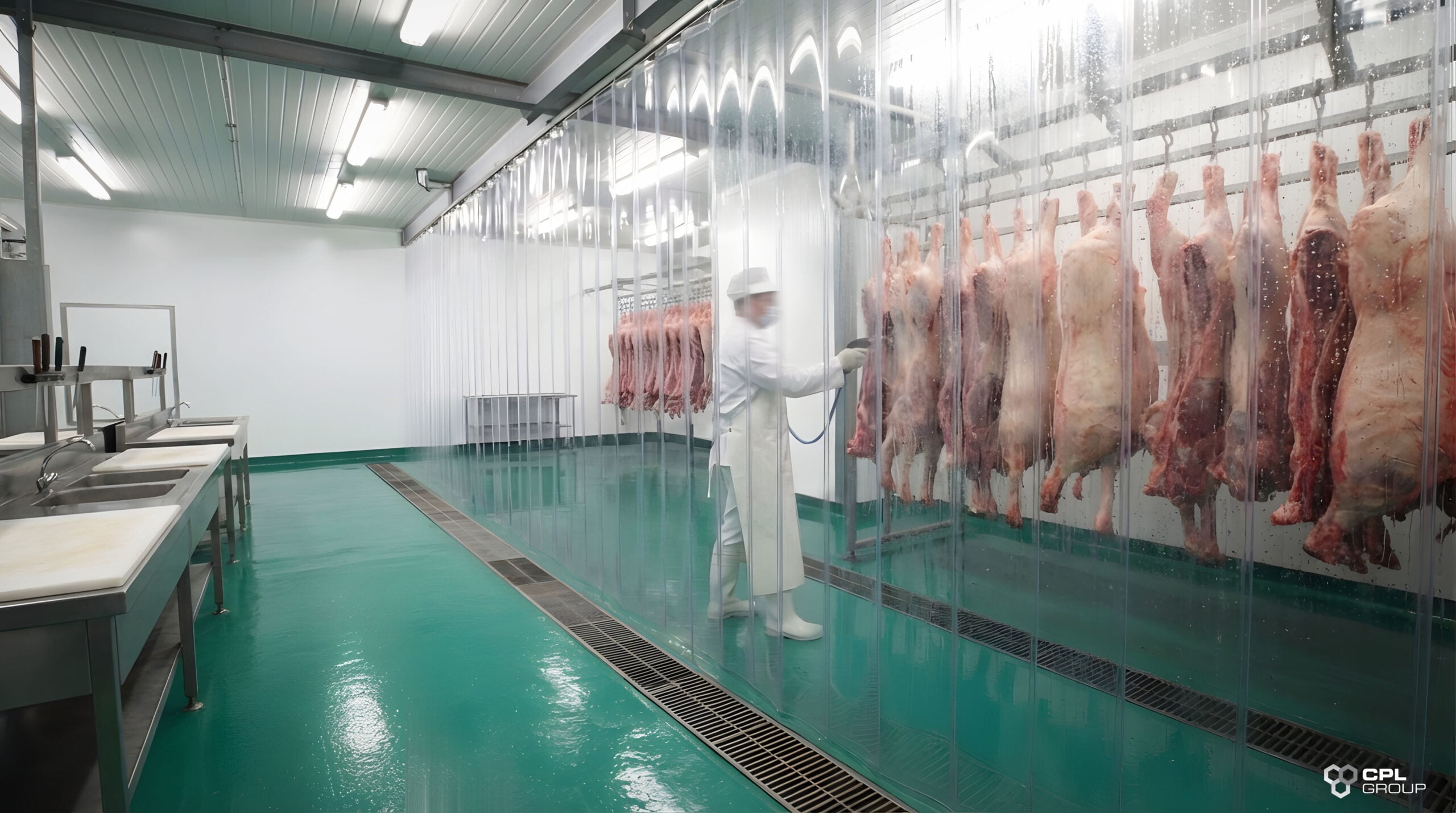
Frequent cleaning is a normal part of food production.
But not all materials perform well under repeated washdown conditions.
High-pressure cleaning and chemical sanitation require systems designed to withstand moisture and regular use.
Washdown curtains and food-grade wall systems are commonly used in areas that require:
- Daily cleaning routines
- Wet processing
- Controlled sanitation zones
PVC strip curtains also play an important role at doorways and access points, helping maintain separation without blocking movement.
These solutions help keep sanitation routines consistent without creating maintenance problems.
Adjusting Layouts as Production Changes
Production environments rarely stay the same.
Facilities often need to adjust layouts due to:
- New product lines
- Equipment changes
- Seasonal demand
- Updated compliance requirements
Rigid construction makes these changes slow and expensive.
Modular systems allow layouts to be adjusted as needed.
For example:
- Expanding storage areas
- Adding new packaging zones
- Introducing temperature-controlled sections
- Separating new workflows
Using food-grade walls and divider systems, facilities can adapt without committing to full structural rebuilds.
Where These Systems Are Commonly Used
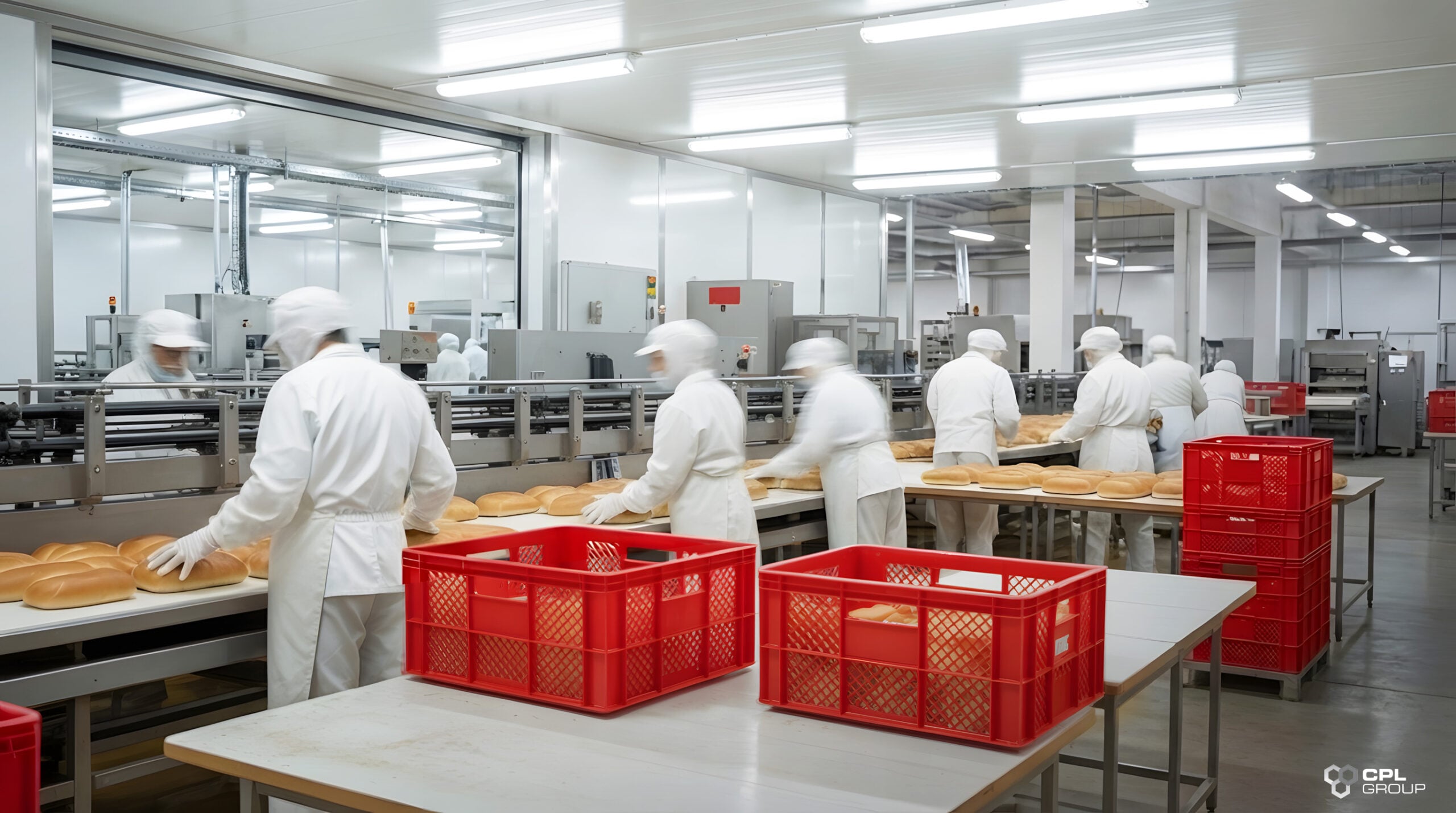
Food safety zoning is used across a wide range of processing environments.
Meat and Poultry Processing
Often used to:
- Separate raw and processed areas
- Maintain temperature stability
- Support washdown routines
Typical systems include:
- Food-Grade Walls
- Cool Store Solutions
- Washdown Curtains
Dairy Processing
Used to:
- Maintain controlled handling areas
- Separate processing stages
- Improve temperature stability
Typical systems include:
- Food-Grade Room Dividers
- Cool Store Systems
- PVC Strip Curtains
Beverage Production
Used to:
- Separate filling areas
- Control airflow
- Maintain clean handling zones
Typical systems include:
- Food-Grade Walls
- Washdown Curtains
- PVC Strip Curtains
Export-Focused Facilities
Used to:
- Meet inspection requirements
- Maintain consistent zoning
- Support audit readiness
Typical systems include:
- Food-Grade Walls
- Cool Store Solutions
- Food-Grade Room Dividers
A Practical Approach to Facility Upgrades
Not every upgrade requires major construction.
Many improvements can be achieved by introducing better separation, improved temperature control, and clearer workflows.
Facilities that implement modular zoning systems often see:
- Better workflow control
- Improved sanitation consistency
- Reduced contamination risk
- Faster upgrades
- Less downtime during installation
Rather than rebuilding, many sites are simply upgrading the way their existing space is used.
Need to Add Separation Without Major Downtime?
Our team can help identify practical zoning options for your facility.