
New Zealand pharmaceutical and laboratory facilities generally work within Medsafe’s requirements under the Medicines Act, alongside the PIC/S GMP Guide and ISO 14644-1 classification. For many NZ sites, particularly smaller or regional operations, keeping a clean room compliant over time can be just as important as getting it right at the start. This guide covers what’s generally involved, and how facility design supports the process.
Classification Isn’t Just a One-Time Event
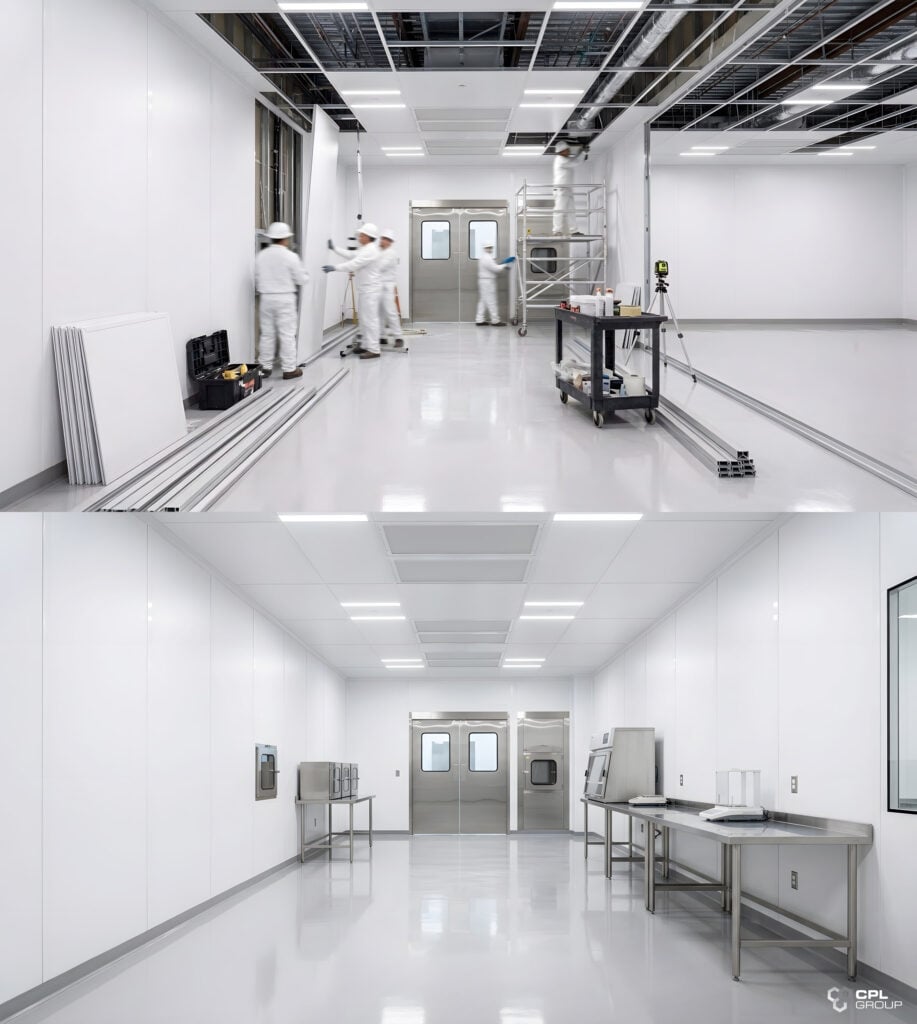
A clean room is typically classified against ISO 14644-1 when it’s commissioned, but maintaining clean room compliance in NZ requires ongoing attention. As equipment is added, production processes evolve, or room layouts change, the original classification may no longer reflect current operating conditions. Many facilities build in a process to reassess classification when something changes, rather than treating the original certificate as permanent.
How often this needs to happen, and what triggers a reassessment, is a conversation for your quality team. From a facility perspective, having a space that’s easy to inspect and maintain makes that ongoing process simpler.
Smaller Sites Face Their Own Challenges
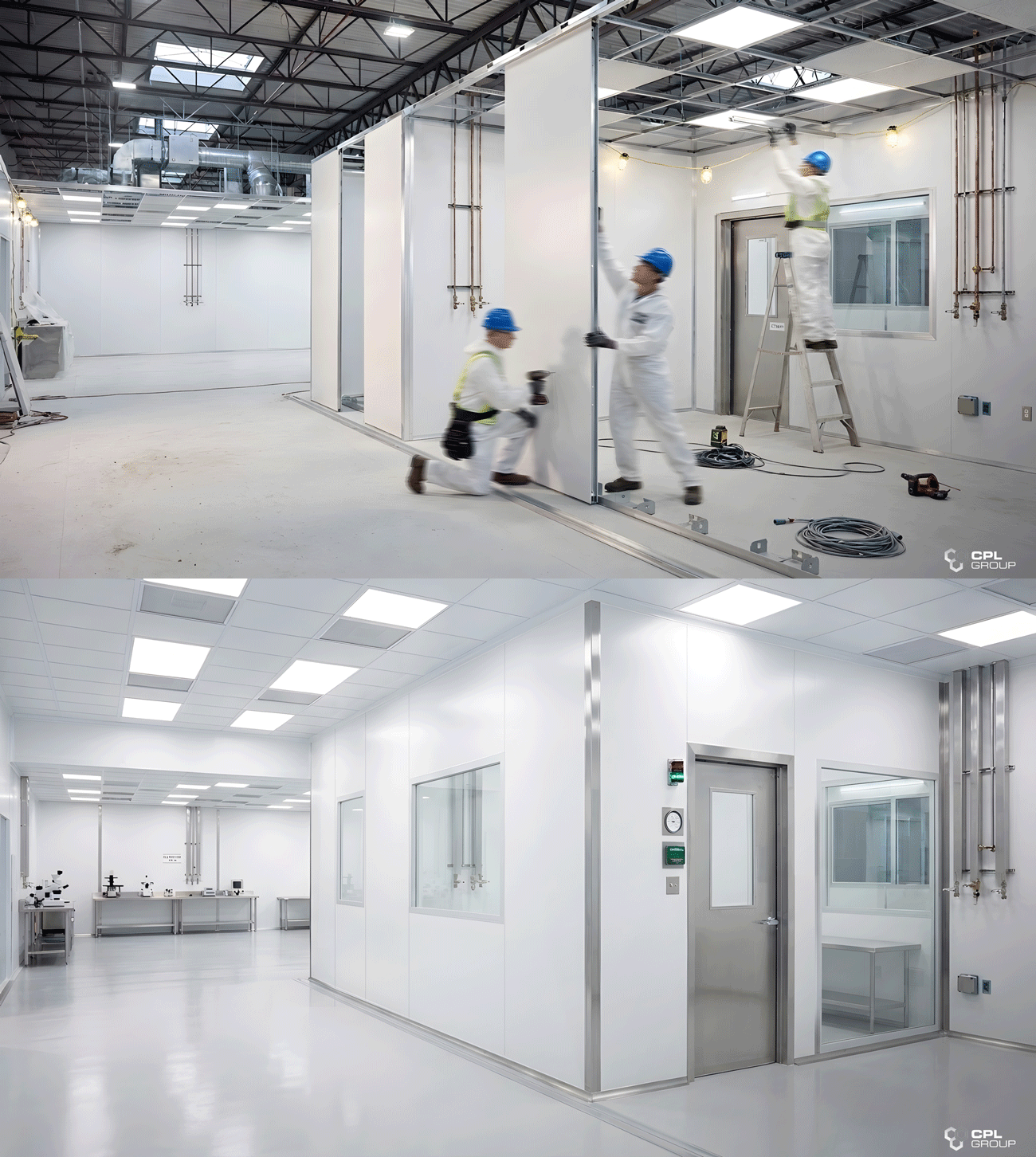
New Zealand’s manufacturing and laboratory base includes a lot of smaller operations that may not have a dedicated compliance specialist on staff. That’s not a shortcoming, it’s just the reality of operating at this scale, but it does mean clean room related decisions sometimes rely on whoever last dealt with the issue.
Building simple, documented processes around clean room maintenance and reassessment can help smaller teams stay on top of this without needing a large dedicated resource.
Retrofitted Spaces Need a Closer Look
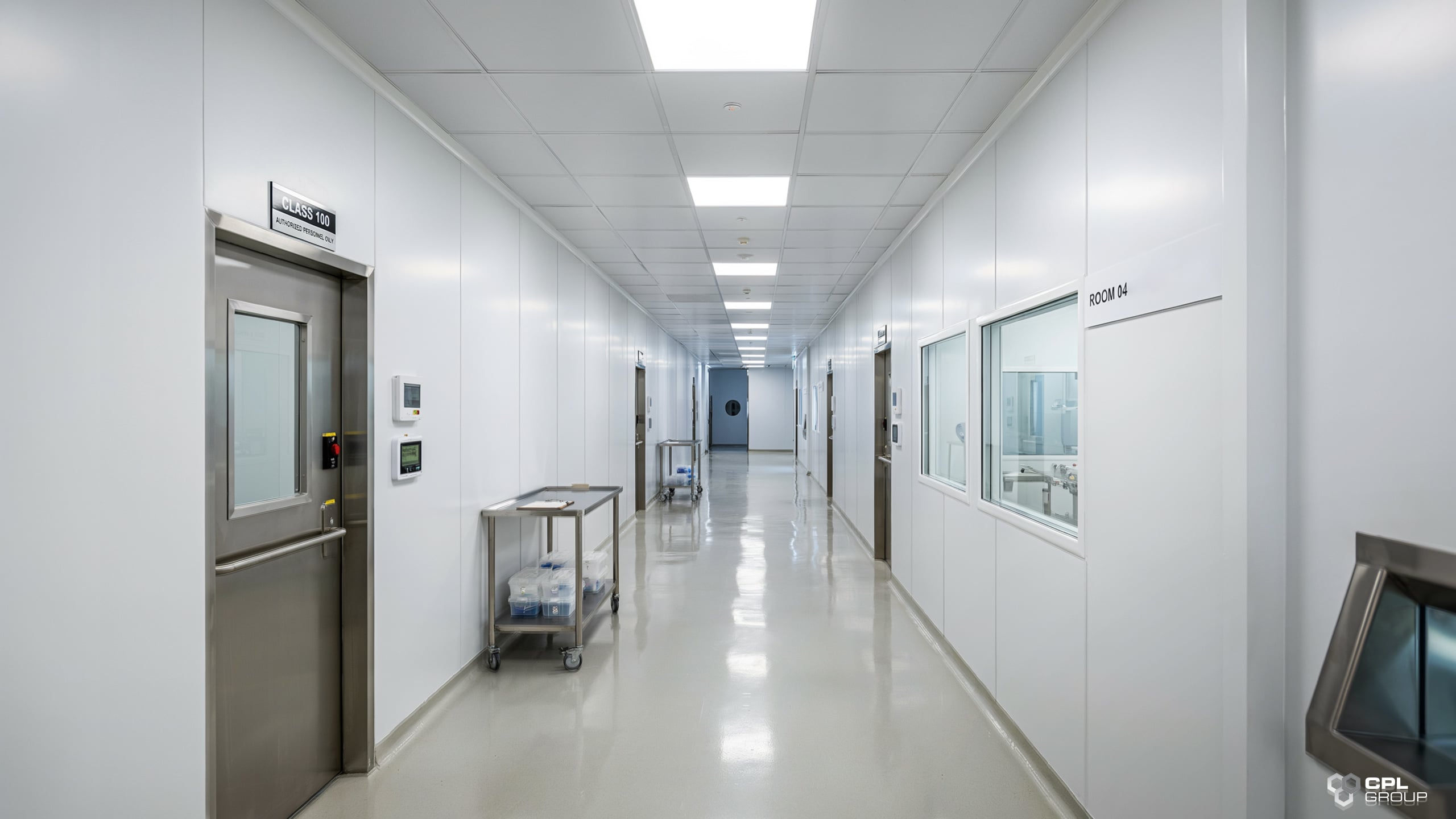
Clean rooms built into converted industrial or laboratory spaces can work well, but they’re more likely to carry hidden issues, unsealed penetrations, square corners instead of coving, or panel materials that weren’t designed for repeated cleaning.
If your facility has grown its clean room capacity incrementally over time, it’s worth having older and newer sections assessed together, since inconsistencies between them can create weak points.
Budgeting for Clean Room Upkeep
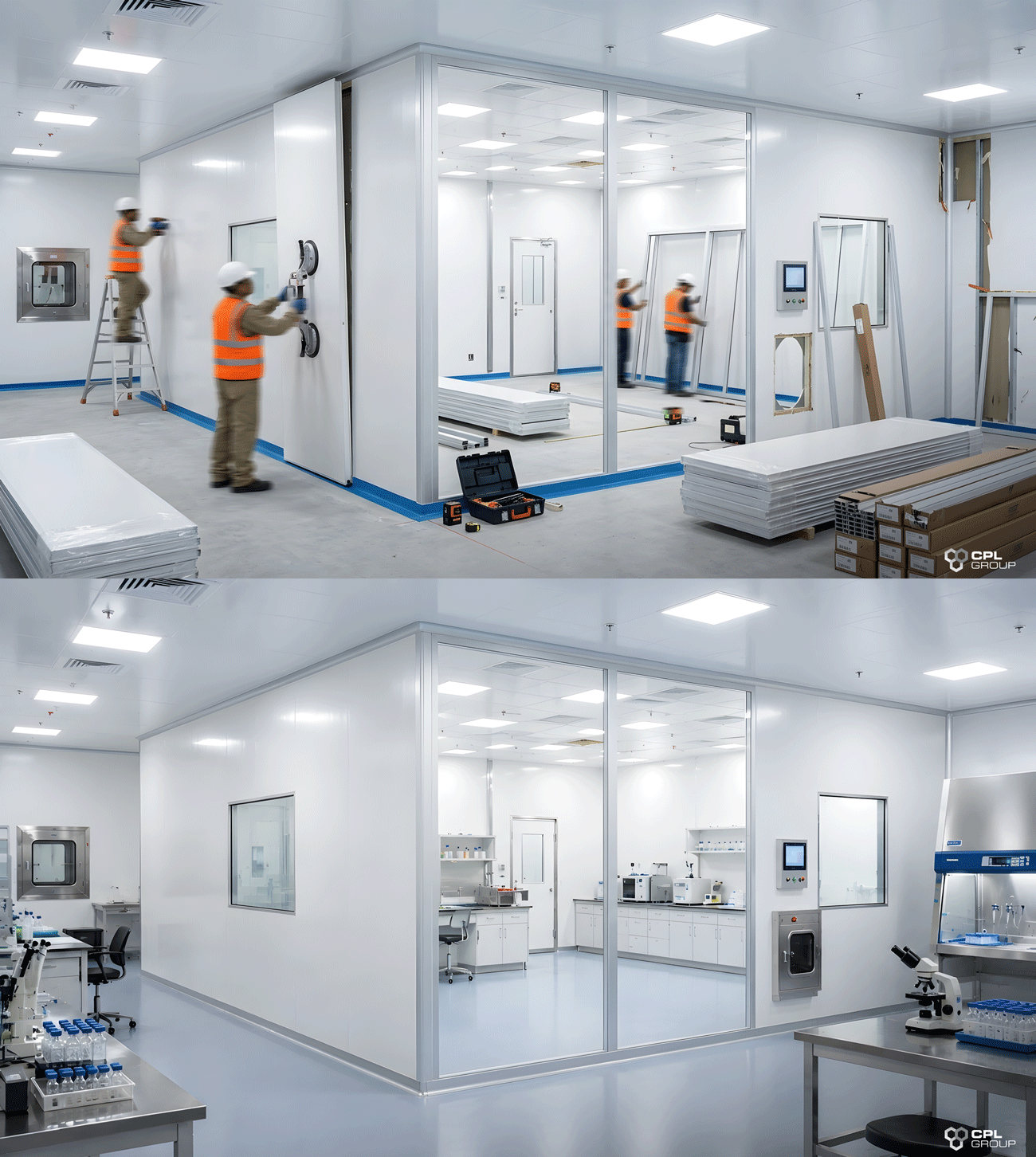
Clean room compliance is easier to manage when it’s treated like any other ongoing facility cost, similar to equipment calibration or preventive maintenance, rather than something only addressed when an issue comes up.
A phased approach to upgrades, tackling one area at a time, can also make the cost easier to plan for than trying to address everything in a single project.
What to Look for in a Clean Room Partner
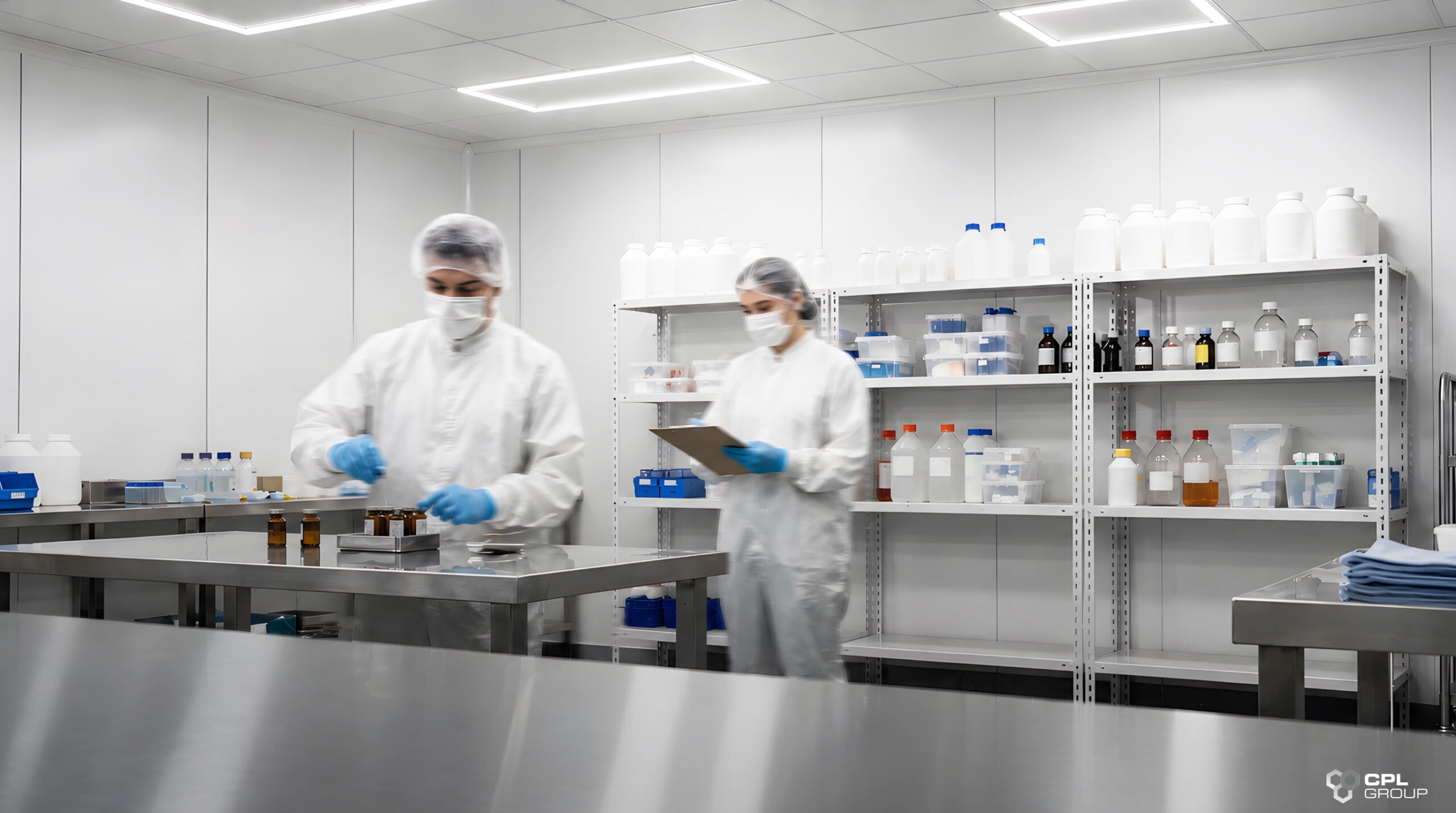
For smaller NZ teams especially, it helps to work with a partner who can talk through the practical side of a build in plain terms, rather than assuming everyone on-site already speaks the language of clean room classification.
A modular system also makes it easier to bring older sections of a facility up to the same standard as newer ones, rather than treating every addition as its own one-off project.
A Couple of Common Misconceptions
One misconception is that a smaller facility automatically carries lower risk. In practice, risk tends to come down to how well a room’s classification is maintained over time, not how much is produced inside it.
Another is that a clean room, once built, doesn’t need much attention. Regular monitoring and periodic reassessment are a normal, ongoing part of running one, not a sign that something’s wrong.
A Few Questions Worth Asking Early
It’s worth asking a potential partner how they support projects outside the main centres, since access to specialist trades and materials can be more limited in some parts of New Zealand.
It’s also worth asking how a design can be adapted later, since many NZ facilities grow in stages rather than committing to a large single build upfront.
Frequently Asked Questions
Does Medsafe reference ISO 14644 for clean room classification?
Yes, Medsafe-licensed facilities generally work within ISO 14644-1 classification alongside the broader PIC/S GMP requirements. Your quality team can confirm the specifics for your operation.
How often should a clean room be reclassified in NZ?
There’s no single fixed interval, but many facilities reassess classification after a significant change to layout, equipment, or usage, in addition to routine periodic checks.
What’s a common issue at smaller NZ facilities?
Rooms that were classified once at commissioning and not formally reassessed as conditions changed are a fairly common pattern, particularly at smaller manufacturing and laboratory sites.
Can an older NZ facility retrofit a clean room?
Yes, with the right modular panel system, older spaces can often be upgraded to include sealed joints, coved corners, and cleanable surfaces suited to classified use.
How CPL Group Can Help
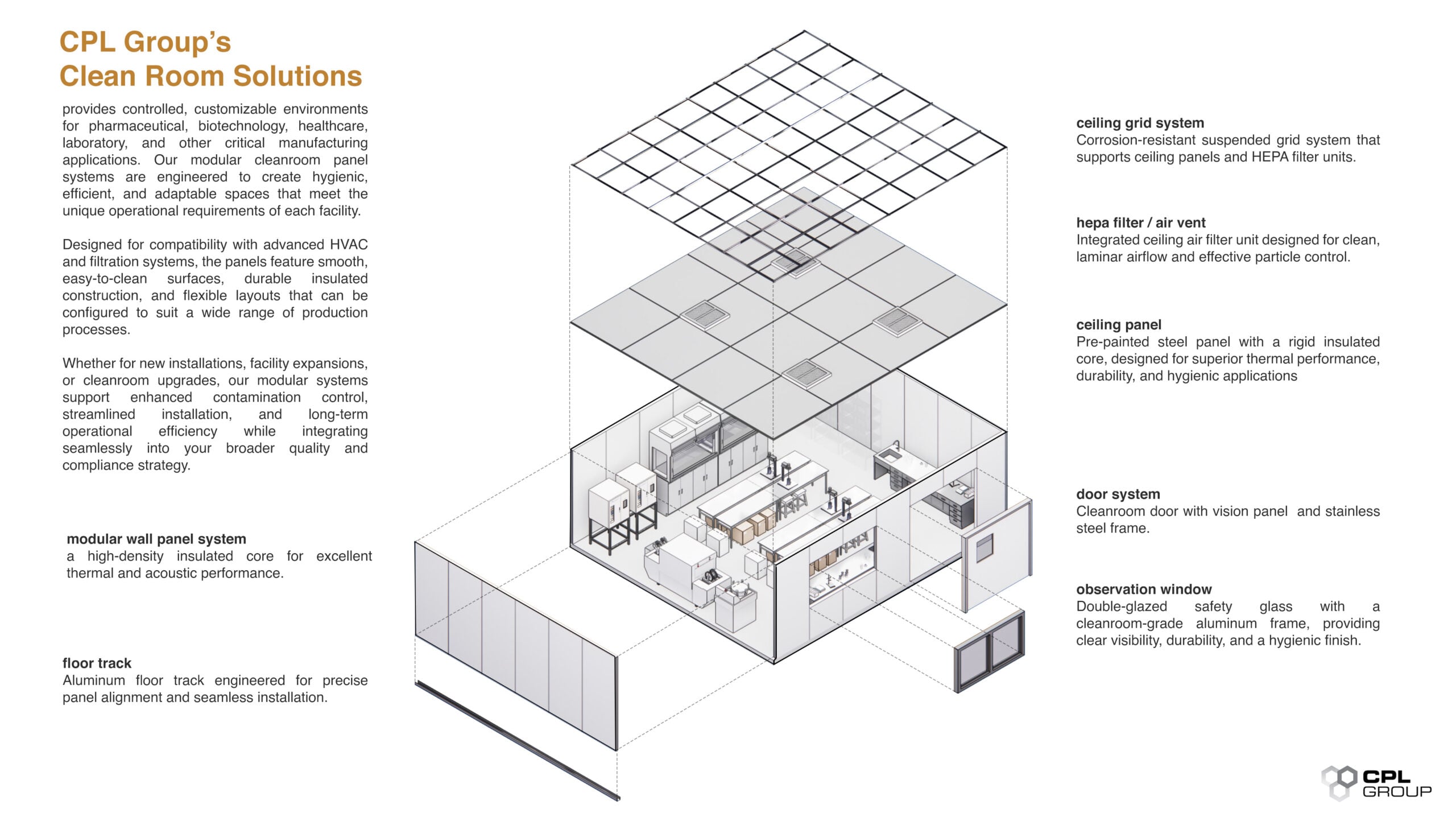
CPL Group’s Clean Room Solutions bring the same modular, hygienic panel construction we supply across Australasia to New Zealand sites, whether that’s a new build or an upgrade to an existing space. Documentation is available on request.
We also work with NZ operators who draw on our AU-based project support, giving you a single point of contact for clean room work across both markets.
Whether you’re planning a new clean room or reviewing an existing one, get in touch with CPL Group for a free quote or to request a product brochure.