
Why Industrial Curtains Are Essential in Modern Facilities?
PVC-based curtain systems are widely used across industrial environments due to their unique balance of strength, flexibility, and performance. Unlike fixed barriers, these systems allow facilities to adapt quickly to operational changes while maintaining effective separation where it matters most.
Key benefits include:
- Improved temperature control and reduced energy loss
- Enhanced hygiene and contamination control
- Noise, dust, and fume containment
- Uninterrupted workflow for people and vehicles
- Lower installation and maintenance costs compared to fixed structures
These advantages make PVC curtains a practical solution for facilities looking to optimise efficiency without costly renovations.
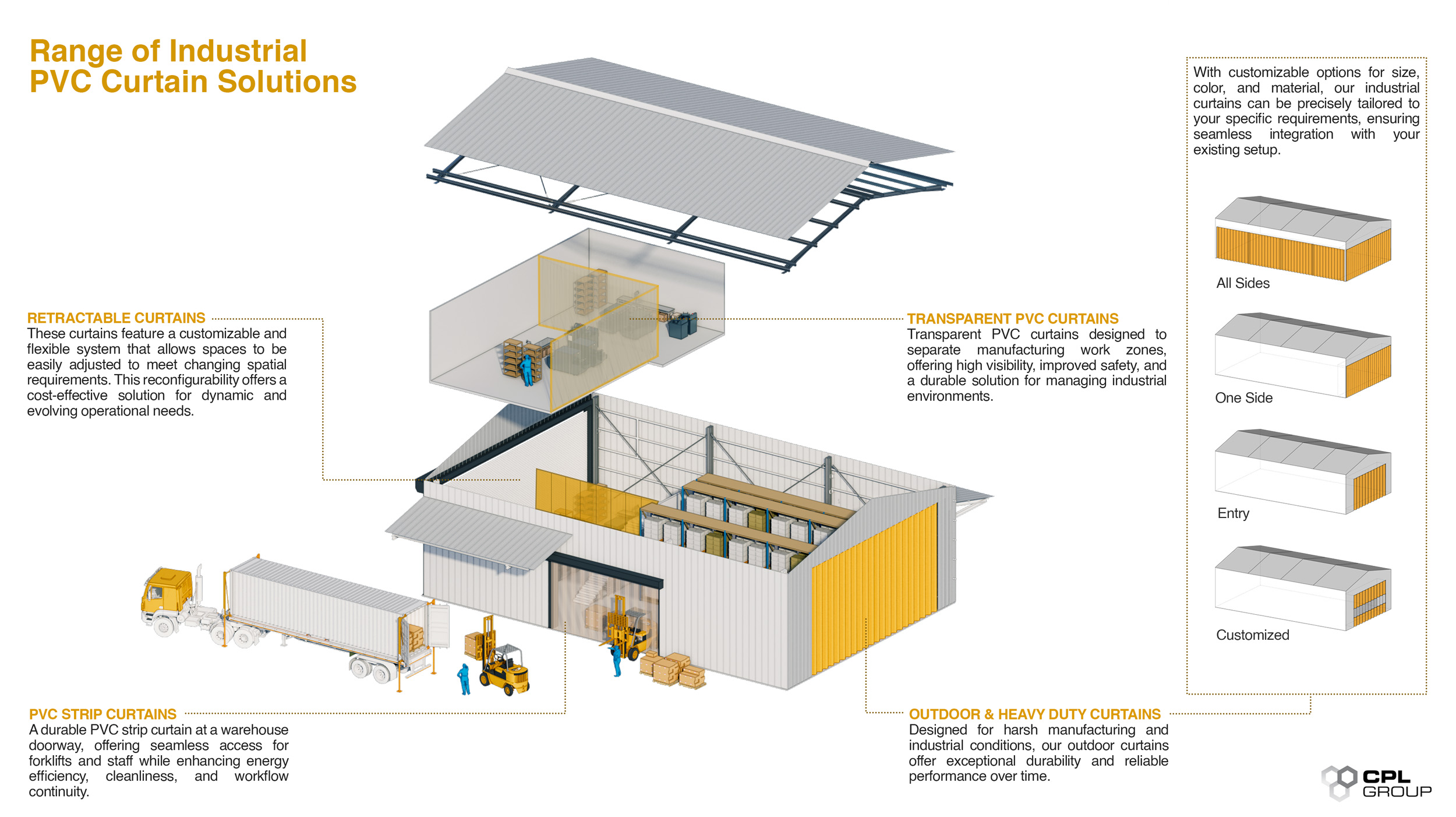
CPL Group’s Range of Industrial PVC Curtain Solutions
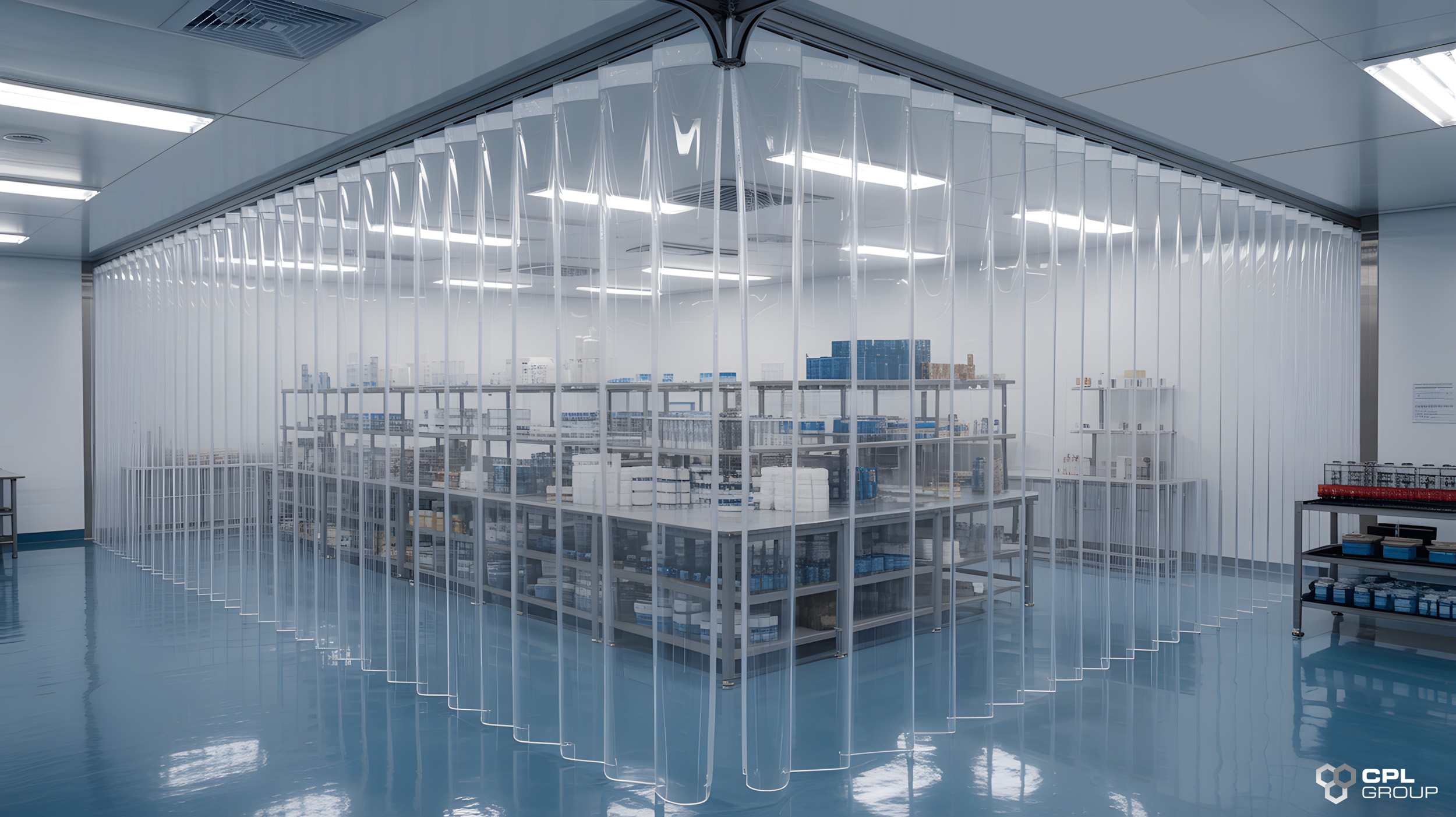
PVC Strip Curtains
PVC strip curtains are one of the most widely used industrial curtain systems. Ideal for doorways, loading bays, and internal access points, they help reduce heat loss, limit airborne contaminants, and maintain visibility while allowing easy access.
Transparent PVC Curtains
Clear PVC curtains provide effective separation without blocking visibility. These are commonly used in production lines, warehouses, and inspection areas where supervision, safety, and natural light are essential. View available transparent PVC solutions.
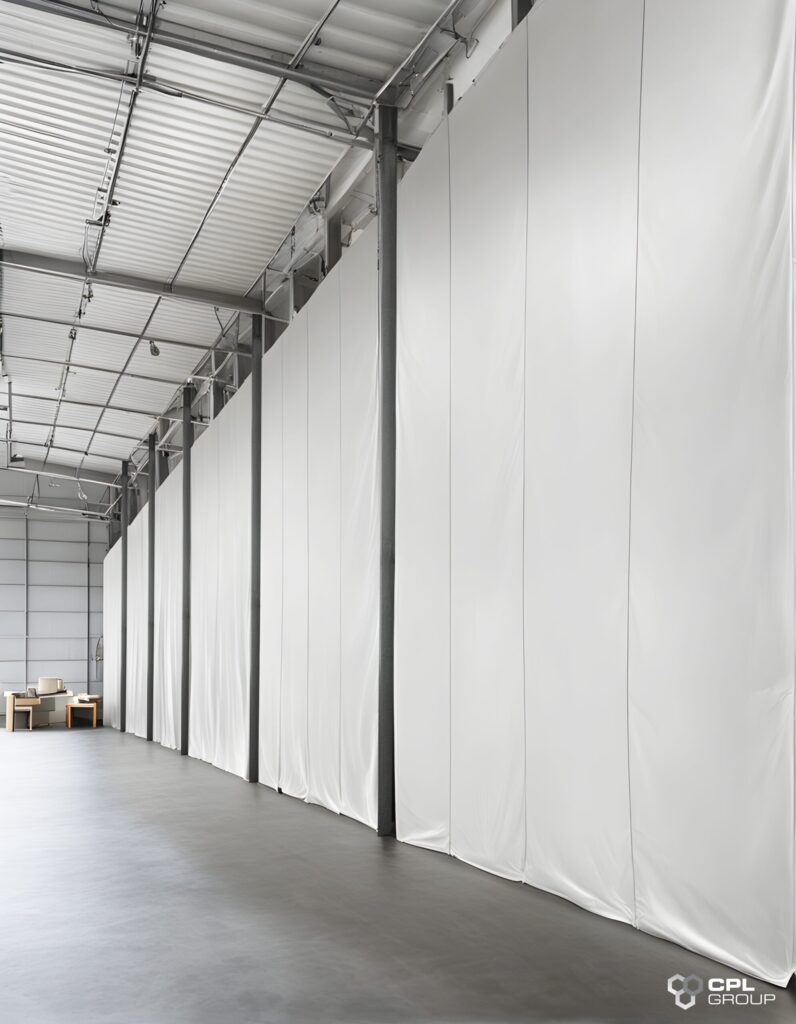
Retractable Industrial Curtain Systems
Retractable curtains offer maximum flexibility for facilities with changing layouts or multi-use spaces. They can be opened or closed as required, making them ideal for temporary zoning, noise reduction, or climate control.
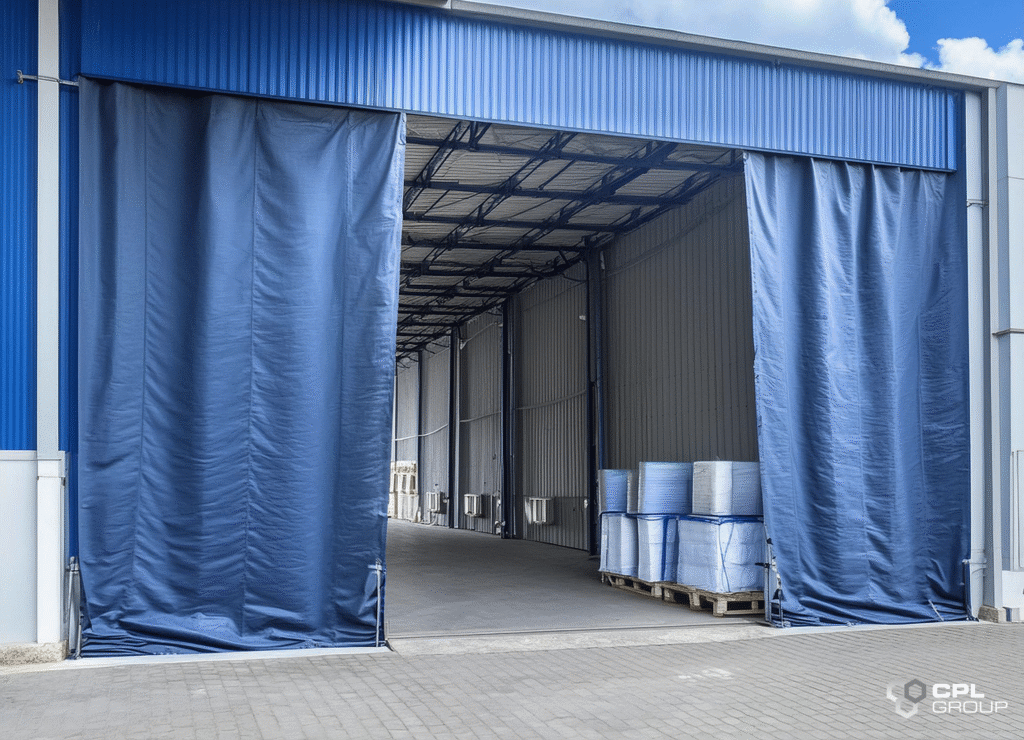
Outdoor and Heavy-Duty PVC Curtains
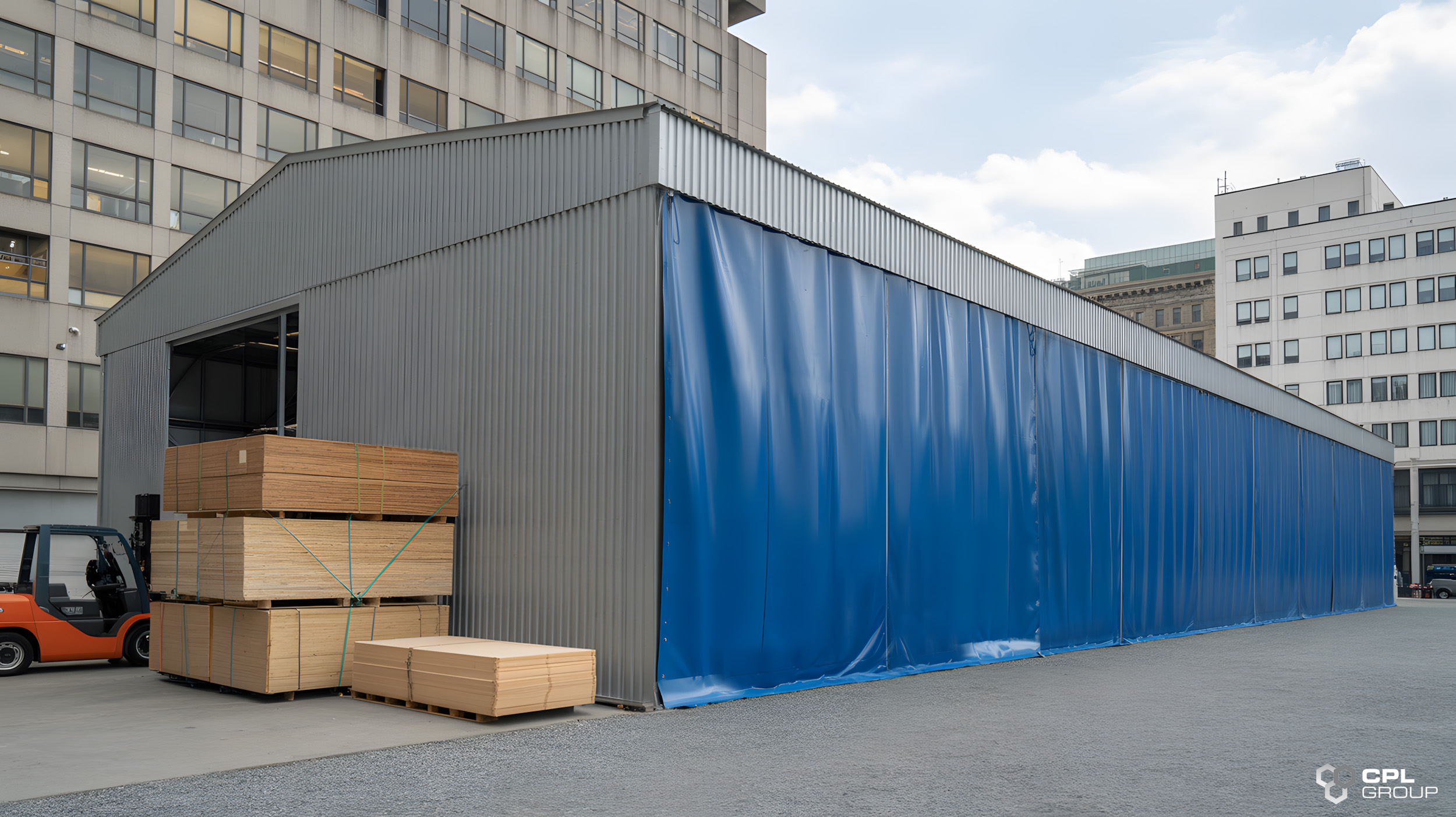
Designed to withstand wind, rain, temperature fluctuations, and UV exposure, heavy-duty curtain systems are well suited to external loading bays, covered outdoor work areas, and transitional zones.
Browse outdoor and heavy-duty curtain solutions.
Industry Applications for PVC Curtain Systems
CPL Group’s PVC curtains are used across a wide range of sectors, including:
- Manufacturing and engineering facilities
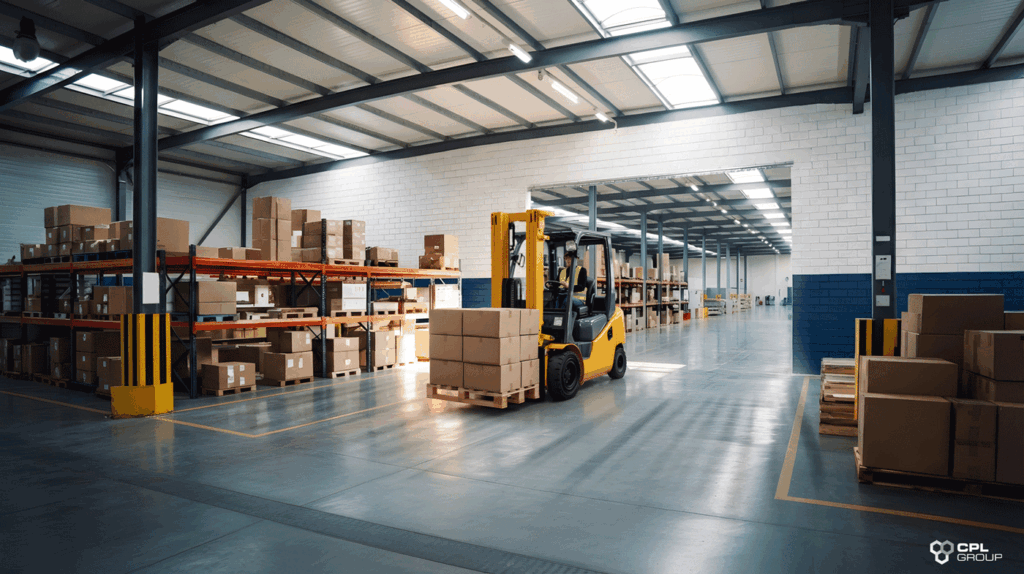
- Warehousing and distribution centres
- Cold storage and refrigerated environments
- Food and beverage processing plants
- Automotive workshops and paint bays
- Chemical and hazardous work zones
For specialist environments requiring additional protection, chemical-resistant curtain solutions are also available.
PVC vs Other Industrial Curtain Materials
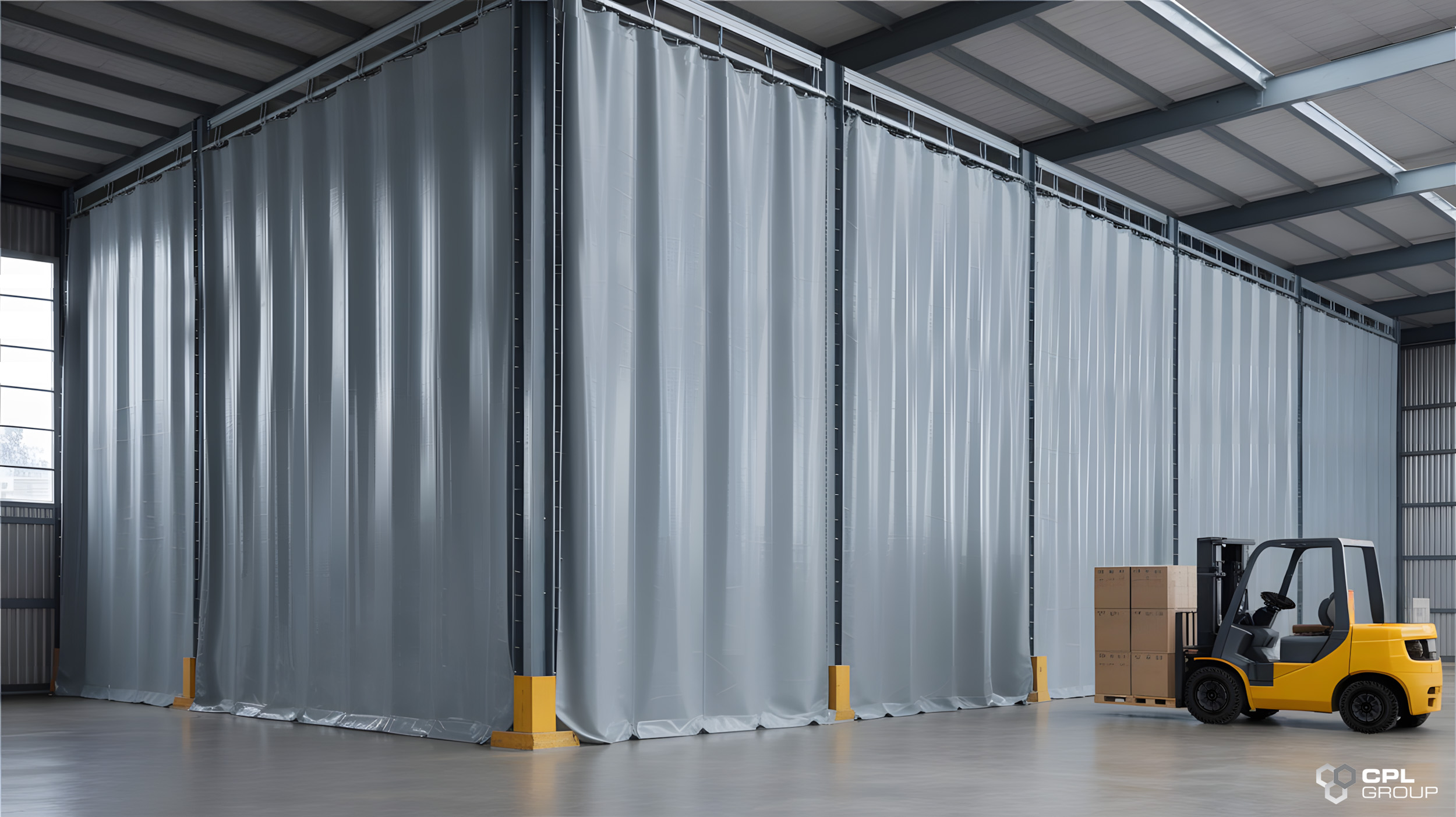
Selecting the right curtain material is essential for performance, safety, and longevity. Below is a comparison of PVC against other commonly used materials.
PVC Curtains
PVC offers excellent flexibility, high durability, and strong resistance to moisture, chemicals, and temperature changes. Clear PVC also allows visibility, making it ideal for safety-conscious environments. PVC curtains are cost-effective and suitable for both internal and external use.
Vinyl-Coated Polyester Curtains
Vinyl-coated polyester delivers higher tensile strength and abrasion resistance. While more rigid than PVC, it is commonly used in heavy-duty outdoor applications where structural strength is prioritised over transparency.
Fabric or Textile Curtains
Fabric curtain systems are generally limited to low-risk, dry environments. Although inexpensive, they lack resistance to moisture, chemicals, and heavy wear, making them unsuitable for most industrial applications.
Foam-Lined or Acoustic Curtains
Designed primarily for sound attenuation, acoustic curtains are effective for noise control but are heavier, less flexible, and unsuitable for hygiene-critical or wet environments.
In most industrial settings, PVC remains the most versatile and cost-effective choice—particularly where hygiene, visibility, and environmental control are required.
Why Choose CPL Group for PVC Curtain Systems
CPL Group delivers tailored curtain systems engineered to address specific operational challenges. With an extensive product range and deep industry expertise, the company supports businesses in improving safety, efficiency, and environmental control across their facilities.
View the complete product range:
FAQ
What are industrial PVC curtains used for?
Industrial PVC curtains are used to separate work areas, control temperature, reduce dust and noise, improve hygiene, and maintain workflow in industrial and commercial facilities.
Are PVC curtains suitable for cold storage and temperature control?
Yes. PVC curtains are commonly used in cold storage and refrigerated environments because they help maintain internal temperatures while allowing easy access for staff and equipment.
What is the difference between PVC curtains and vinyl curtains?
PVC curtains are flexible, transparent, and resistant to moisture and chemicals. Vinyl-coated curtains are stronger but more rigid and are typically used for heavy-duty outdoor applications where visibility is less important.
Are clear PVC curtains safe for industrial use?
Clear PVC curtains are safe and widely used in industrial environments. They maintain visibility, reduce collision risks, and comply with hygiene and safety requirements when correctly specified.
Can PVC curtains be customised for different industries?
Yes. PVC curtains can be customised by thickness, size, colour, temperature rating, and mounting system to suit specific industries and operational requirements.
Do PVC curtains help reduce energy costs?
Yes. By minimising air exchange between temperature zones, PVC curtains help reduce heating and cooling losses, leading to lower energy consumption.