
The Engineering Stakes in Fluid Infrastructure
Oil spill containment systems are critical for protecting waterways, infrastructure, and work zones from contamination caused by fuel, sediment, and hazardous materials.
In the oil, gas, and water sectors, containment is a critical operational requirement. Whether managing offshore platforms, refineries, or municipal water treatment plants, failing to isolate a hazard leads to more than just fines—it results in catastrophic downtime and severe ecological damage.
Infrastructure managers must navigate a complex grid of risks:
- Hydrocarbon Migration: Uncontrolled spills in marine or terrestrial environments.
- Turbidity & Sedimentation: Violating water quality standards during dredging or construction.
- Chemical Exposure: Personnel risk during high-pressure line maintenance.
- Atmospheric Hazards: Vapor and gas migration in “hot work” or confined spaces.
Modern facilities are increasingly moving toward modular, flexible containment systems. These allow for rapid deployment and reconfigurability without the capital-heavy footprint of permanent concrete construction.
Key Containment Challenges and Engineered Solutions for Oil Spill Containment Systems
1. Rapid-Response Hydrocarbon Containment
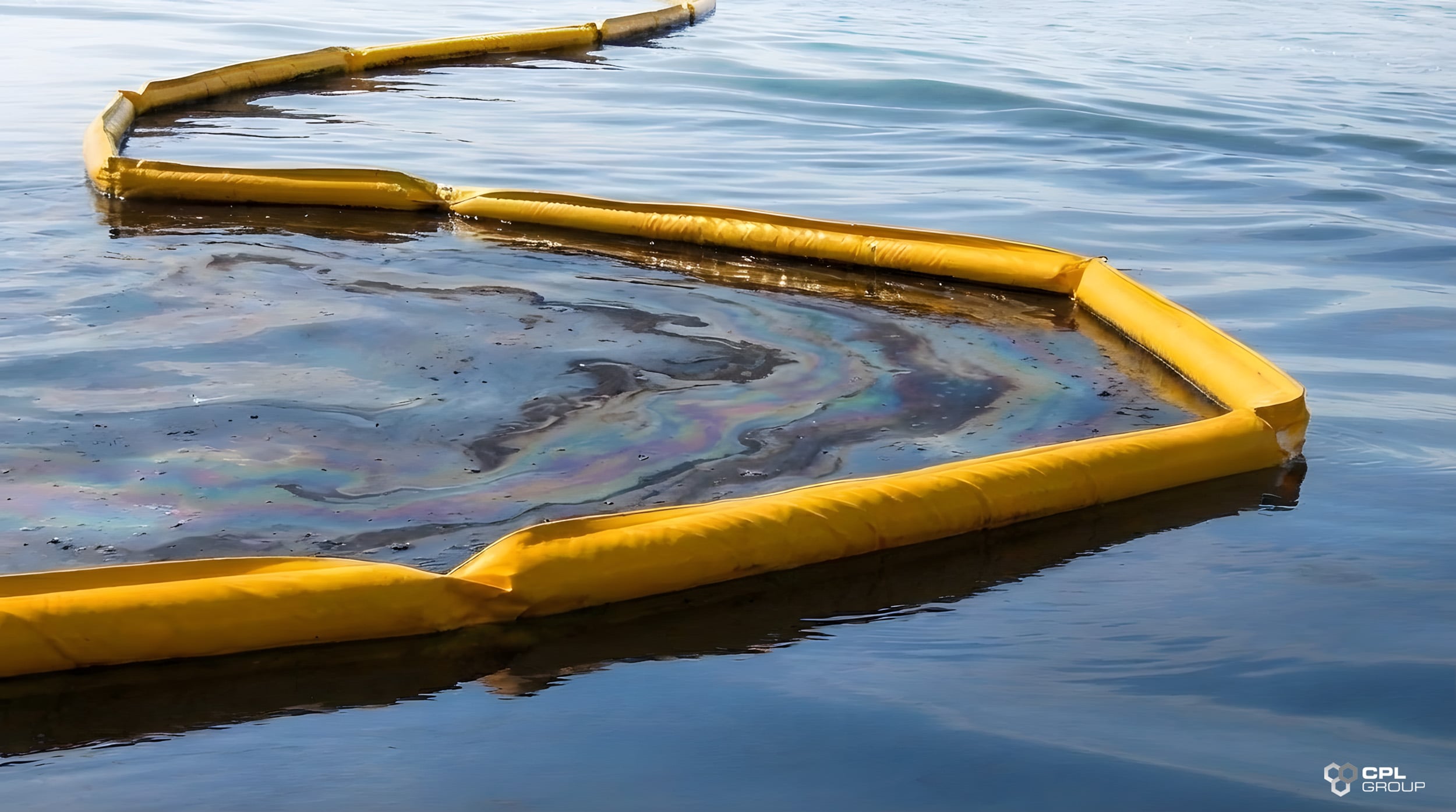
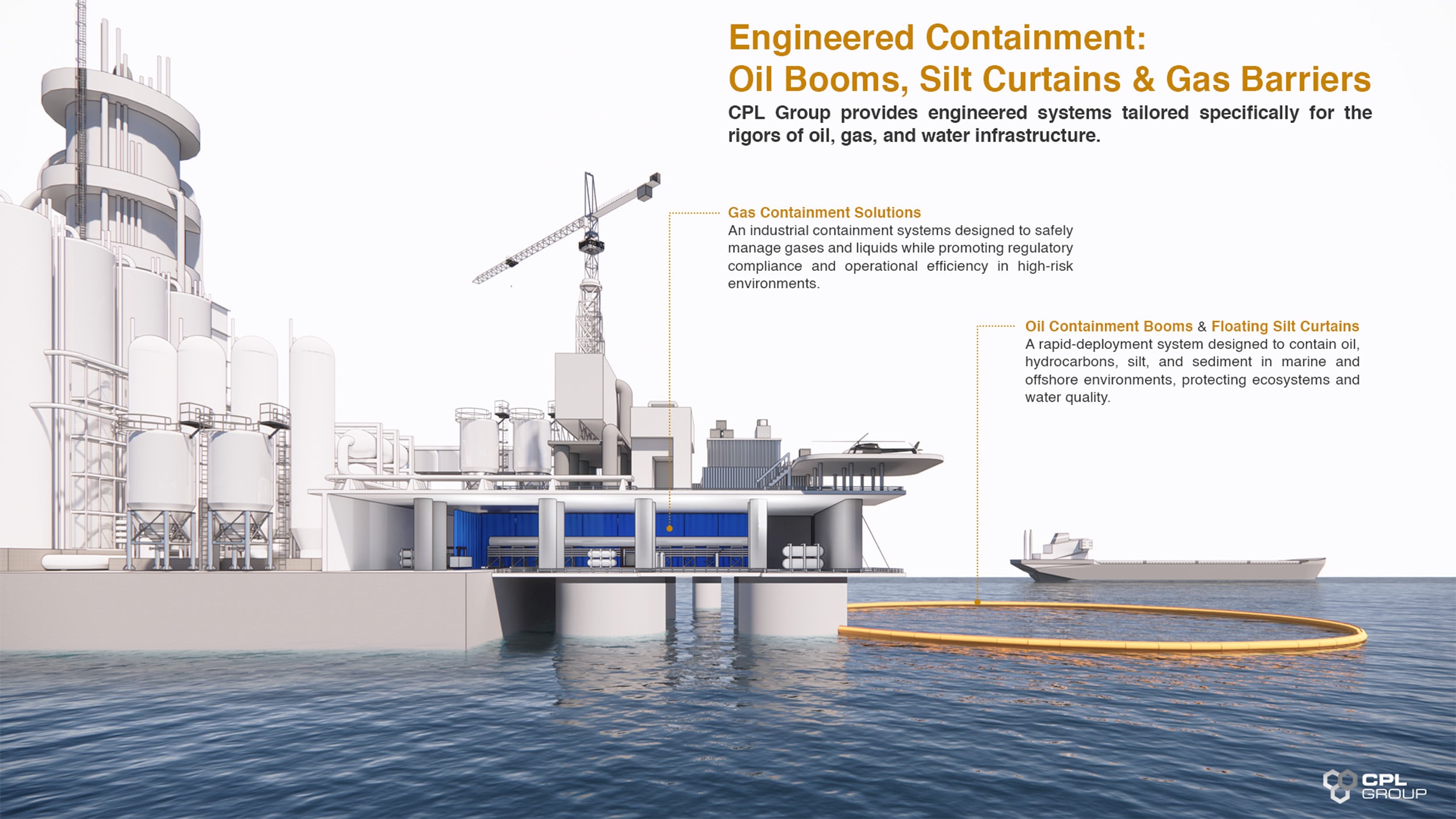
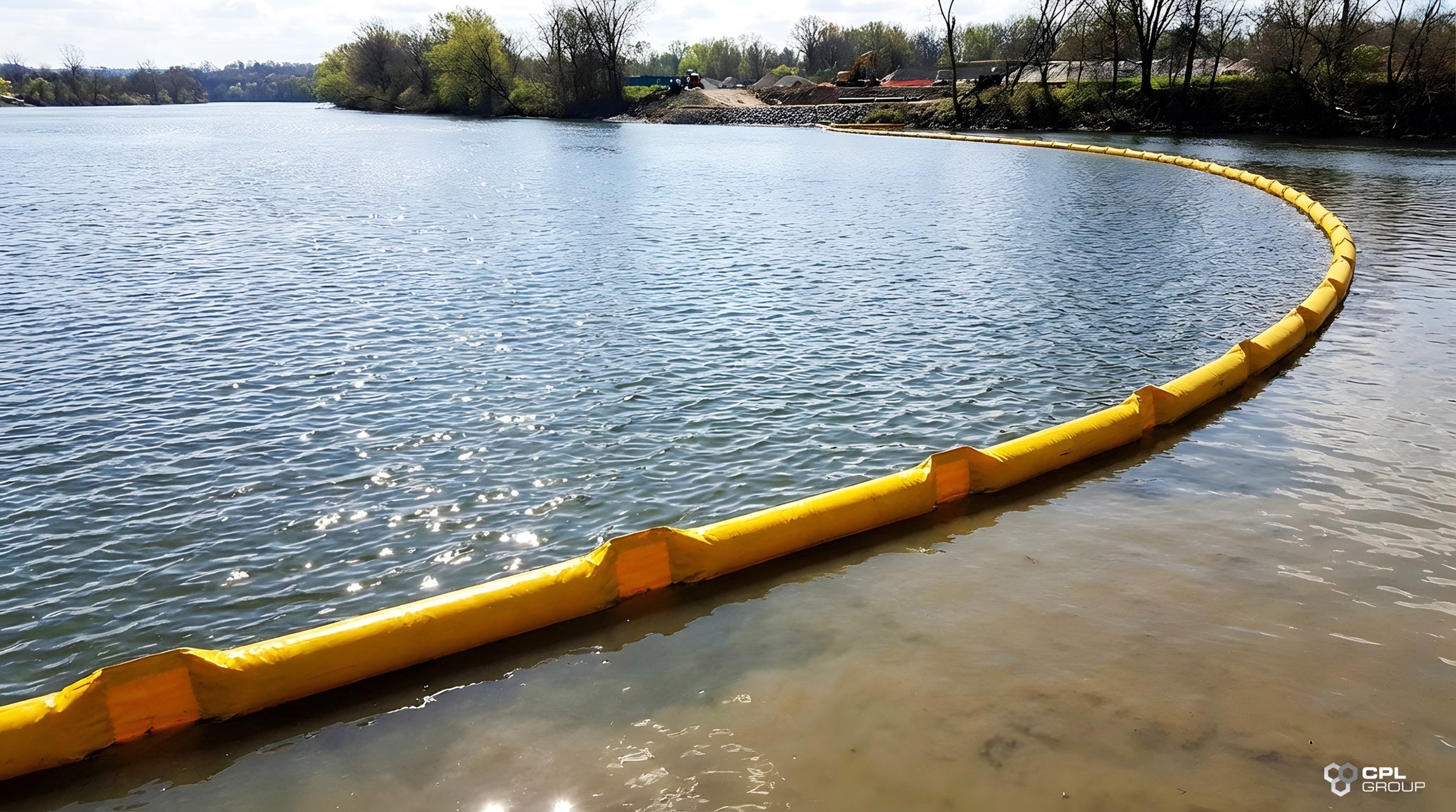
In maritime and refinery operations, the window between a leak and an environmental incident is measured in minutes. Oil containment booms act as the first line of defense, providing a physical boundary to intercept floating hydrocarbons.
Operational Advantages:
- Strategic Deployment: Essential for marine terminals, pipeline crossings, and offshore assets.
- Waste Minimization: Concentrates spills for more efficient skimming and recovery.
- Ecosystem Defense: Prevents surface-level contaminants from reaching sensitive shorelines.
2. Managing Turbidity During Marine Construction
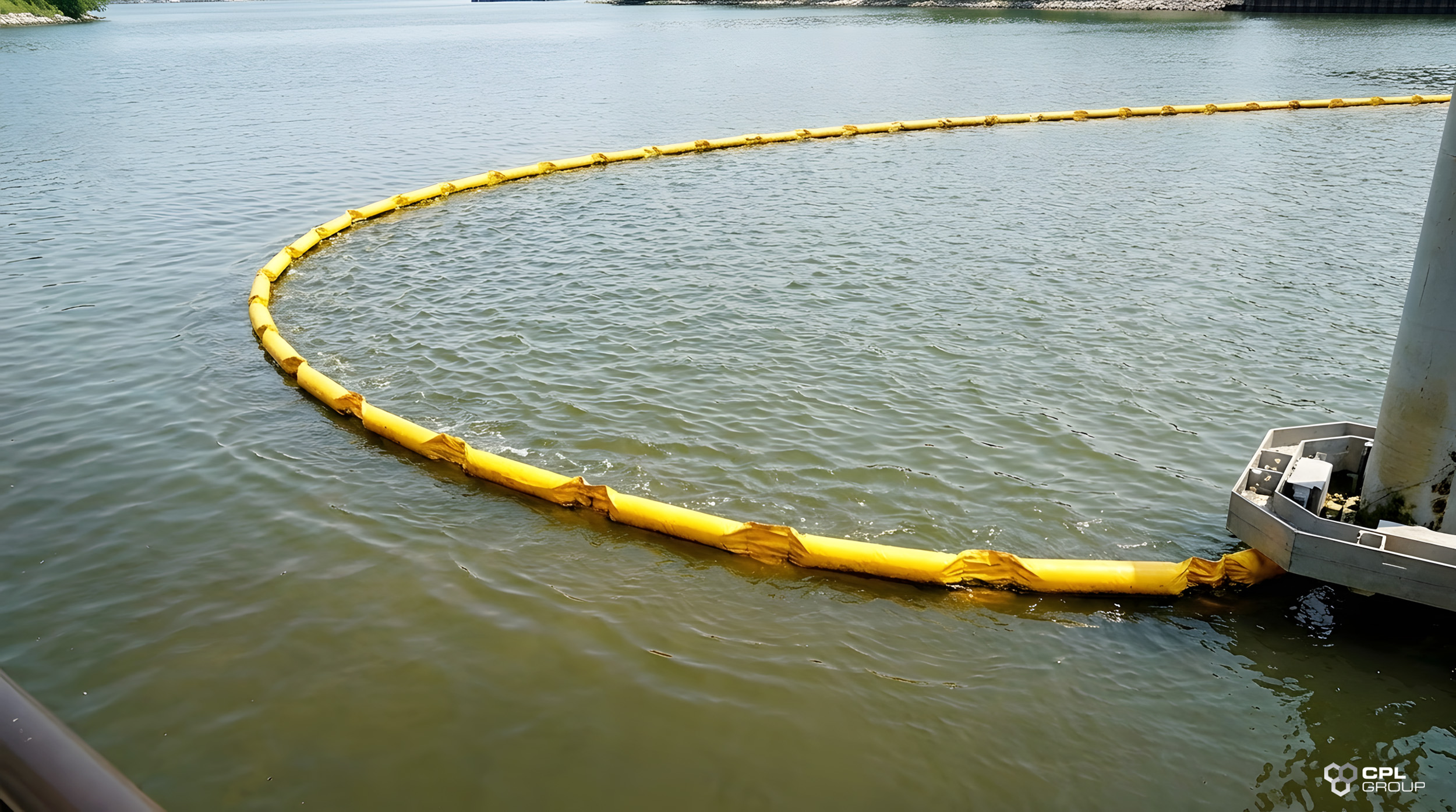
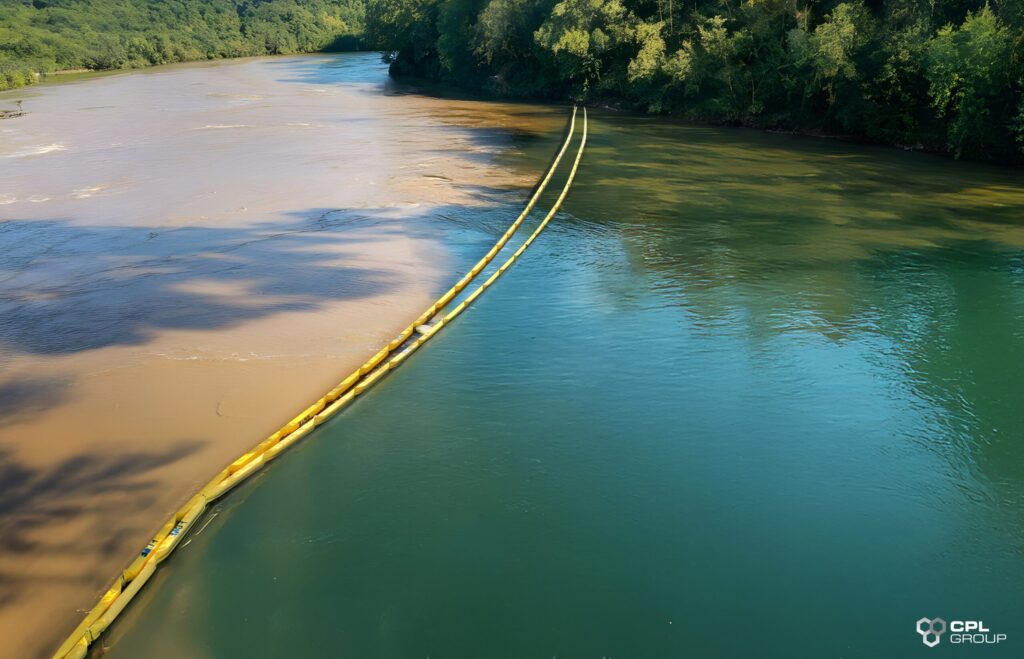
Submerged infrastructure projects—such as pipeline installations or port developments—inevitably disturb the seabed. Without intervention, sediment plumes can smother aquatic life and trigger immediate regulatory shutdowns.
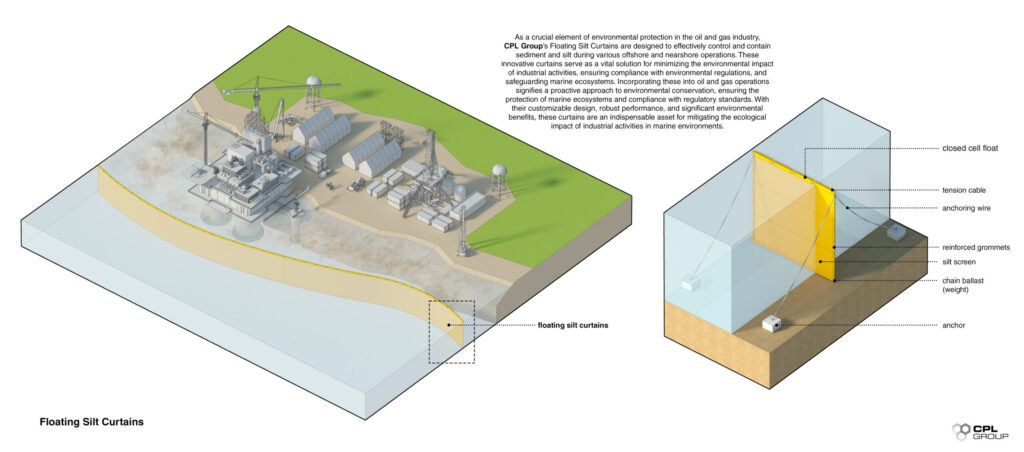
Floating silt curtains and turbidity barriers are engineered to create a “settling zone.” By slowing water velocity within the curtain’s perimeter, suspended solids drop out of the water column rather than migrating into the open environment.
3. High-Risk Chemical Splash & Vapor Protection
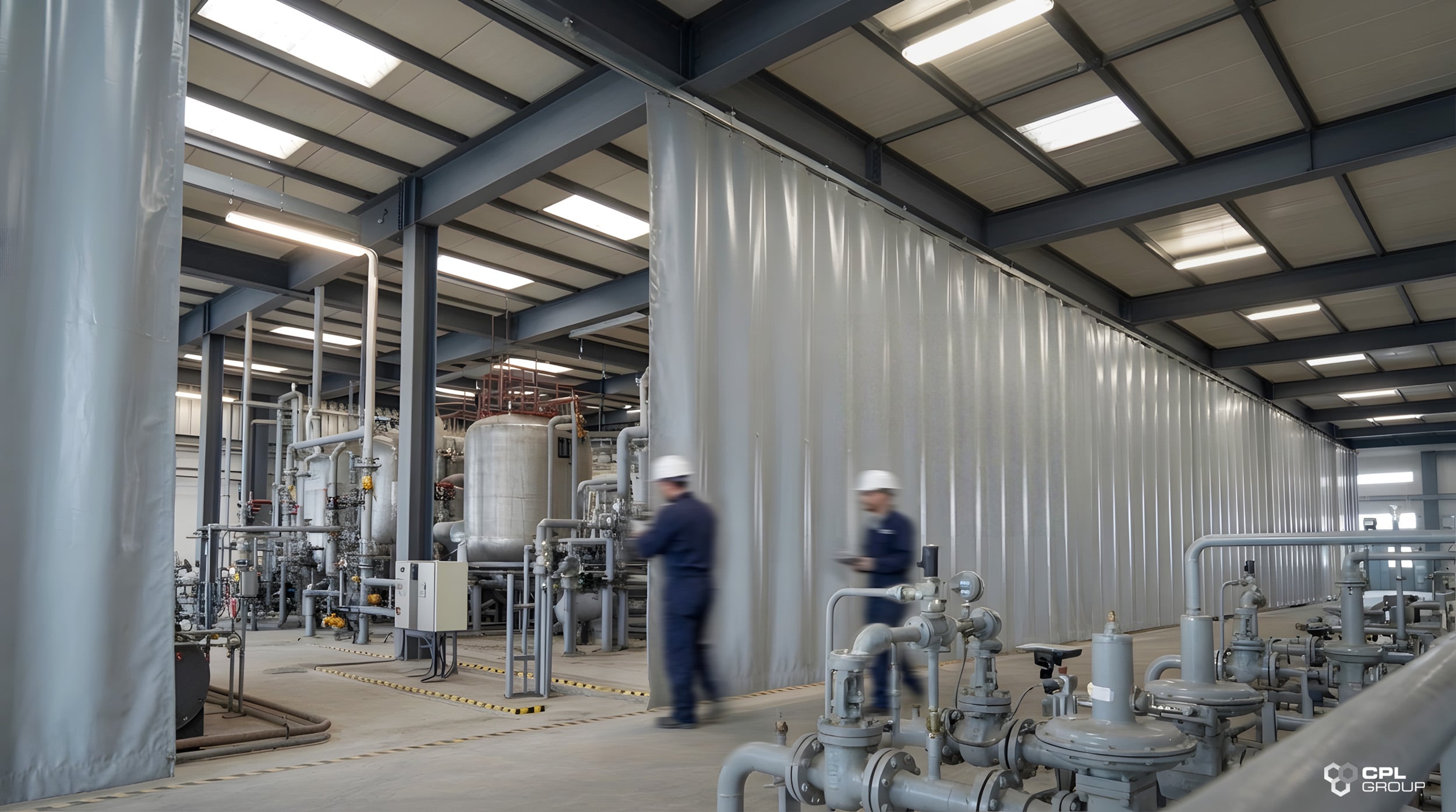
Refineries and processing plants often perform maintenance in “live” environments. Industrial chemical splash curtains serve as localized engineered controls, protecting personnel from high-pressure spray and preventing the spread of corrosive fluids into non-target areas.
For tasks involving volatile organic compounds (VOCs) or inert gases, industrial gas containment solutions create temporary, isolated work zones. These are vital for:
- Confined space entry and exit protocols.
- Temporary repair “tents” within larger facilities.
- Shielding sensitive electronics from corrosive atmospheric elements.
4. Decontamination and Site Remediation
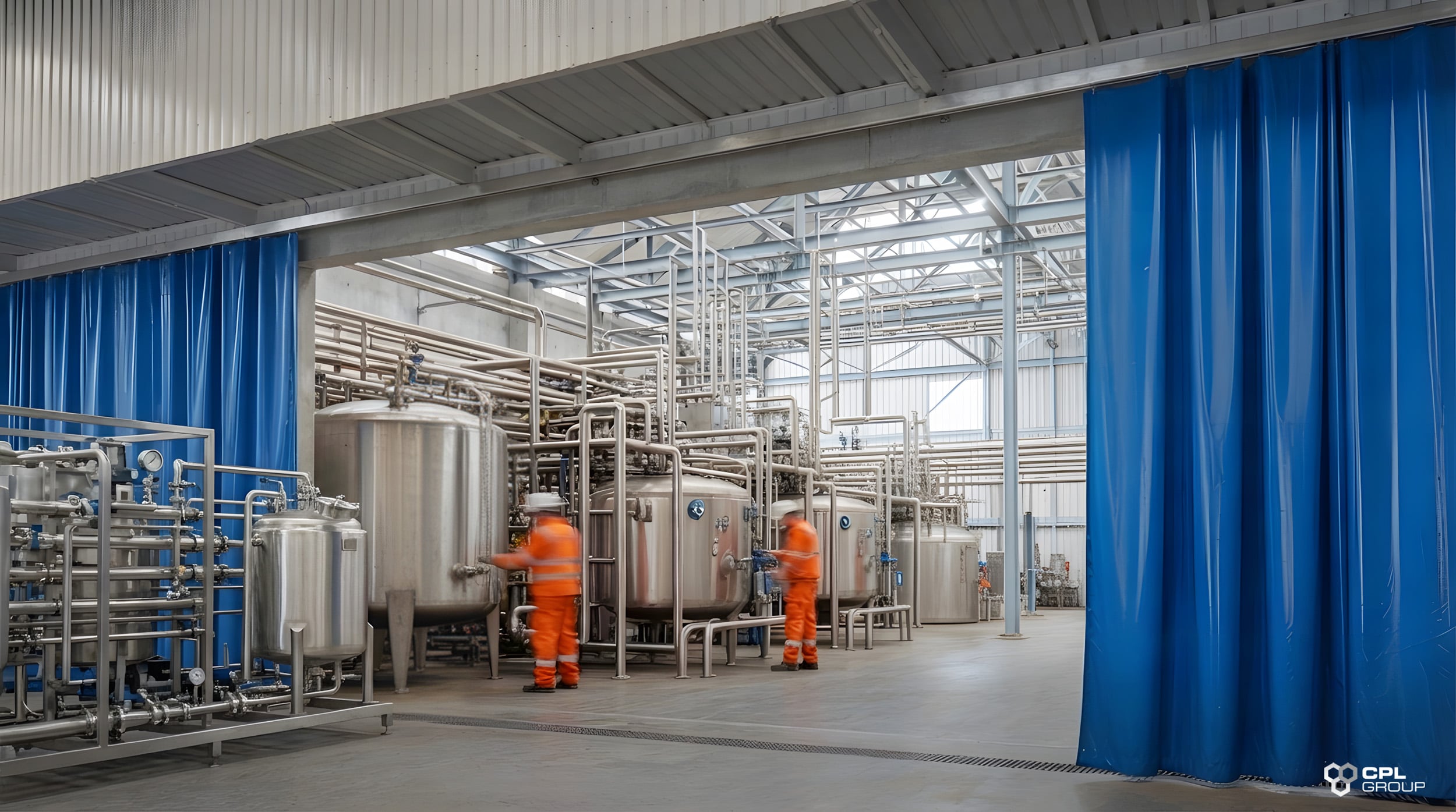
During a spill response or scheduled turnaround, the risk of “track-out”—carrying contaminants from a “hot zone” to a clean zone—is high. Decontamination curtains and modular wash-down zones allow facilities to establish clear transition points, ensuring personnel and equipment are cleaned within a controlled perimeter.
Why Modular Systems Outperform Permanent Infrastructure
The “concrete-and-steel” mindset is being replaced by flexible engineering. The benefits of modular containment include:
- Operational Agility: Deploy protection exactly where and when it’s needed, then reconfigure it as the project site shifts.
- Cost Management: Avoid the high CAPEX of permanent barriers and the logistical nightmare of “fixed” safety zones that impede traffic flow.
- Regulatory Readiness: Quickly adapt to changing environmental standards and ESG (Environmental, Social, and Governance) reporting requirements.
Integrating Containment into ESG Strategy
Environmental stewardship is now a core metric of business health. Proactive containment doesn’t just prevent accidents; it demonstrates a commitment to Environmental Compliance and Risk Mitigation. By integrating floating booms, silt curtains, and gas barriers into standard operating procedures, companies transform “emergency response” into “operational excellence.”
Strengthening Your Facility’s Defense
From municipal water treatment to heavy industrial refineries, CPL Group provides the engineered barriers required to keep operations running safely and cleanly.
Our specialized solutions include:
- Heavy-duty Oil Containment Booms
- Site-specific Turbidity Barriers & Silt Curtains
- Custom Gas and Chemical Isolation Barriers
- Rapid-deploy Decontamination Zones
Planning a containment or environmental protection project?
CPL Group provides engineered systems tailored specifically for the rigors of oil, gas, and water infrastructure.