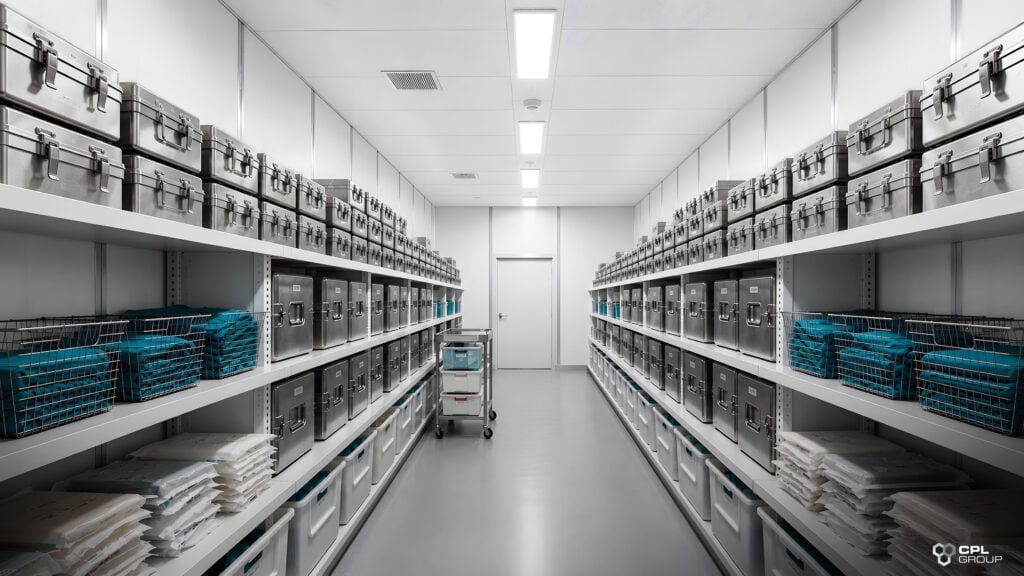

Our recent blog, Pharmaceutical and Laboratory Facility Compliance, set out the compliance pillars regulators expect across cleanrooms, documentation, and storage. Cold chain compliance in New Zealand sits under Medsafe, which administers Good Manufacturing Practice requirements under the Medicines Act.
Because New Zealand is also a PIC/S participating authority, the underlying framework closely mirrors Australia’s, but Medsafe issues its own licensing decisions and inspection findings.
Medsafe’s Approach to Storage and Distribution Compliance
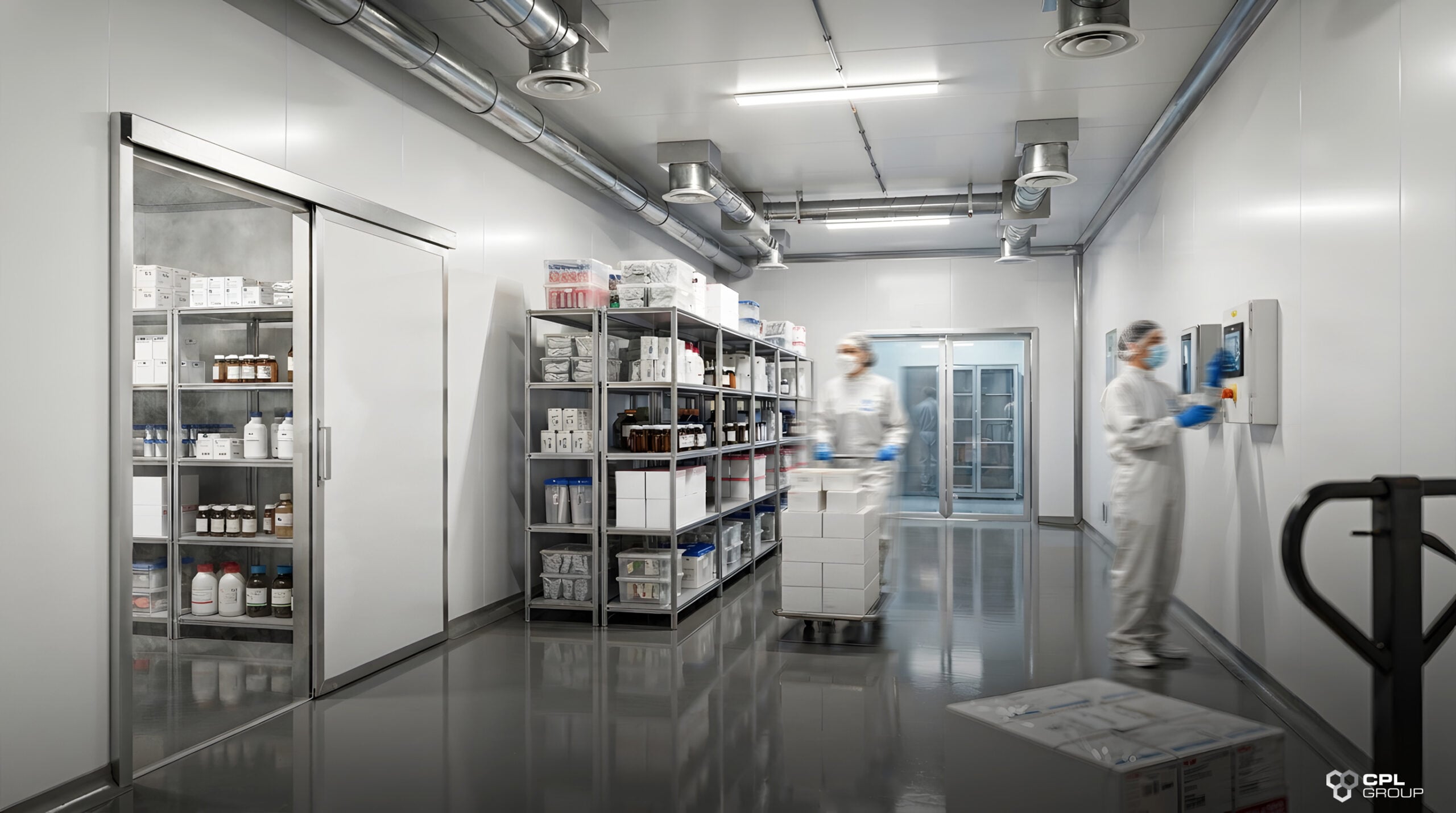
Medsafe expects licensed manufacturers and wholesalers to comply with the PIC/S GMP Guide’s cold chain provisions.
New Zealand’s smaller, more geographically distributed pharmaceutical and laboratory network, including rural pharmacies and regional labs, makes the handoff between transport and storage a recurring weak point in cold chain programs.
Common Gaps in NZ Facility Cold Chain Programs
Retrofitted or ad hoc cold rooms that were never formally mapped or validated are a frequent finding, particularly at smaller regional sites.
Seasonal ambient extremes across both the North and South Islands can also stress refrigeration systems that were sized without accounting for worst-case conditions, increasing the risk of undetected drift.
Building Cold Storage That Passes a Medsafe Audit
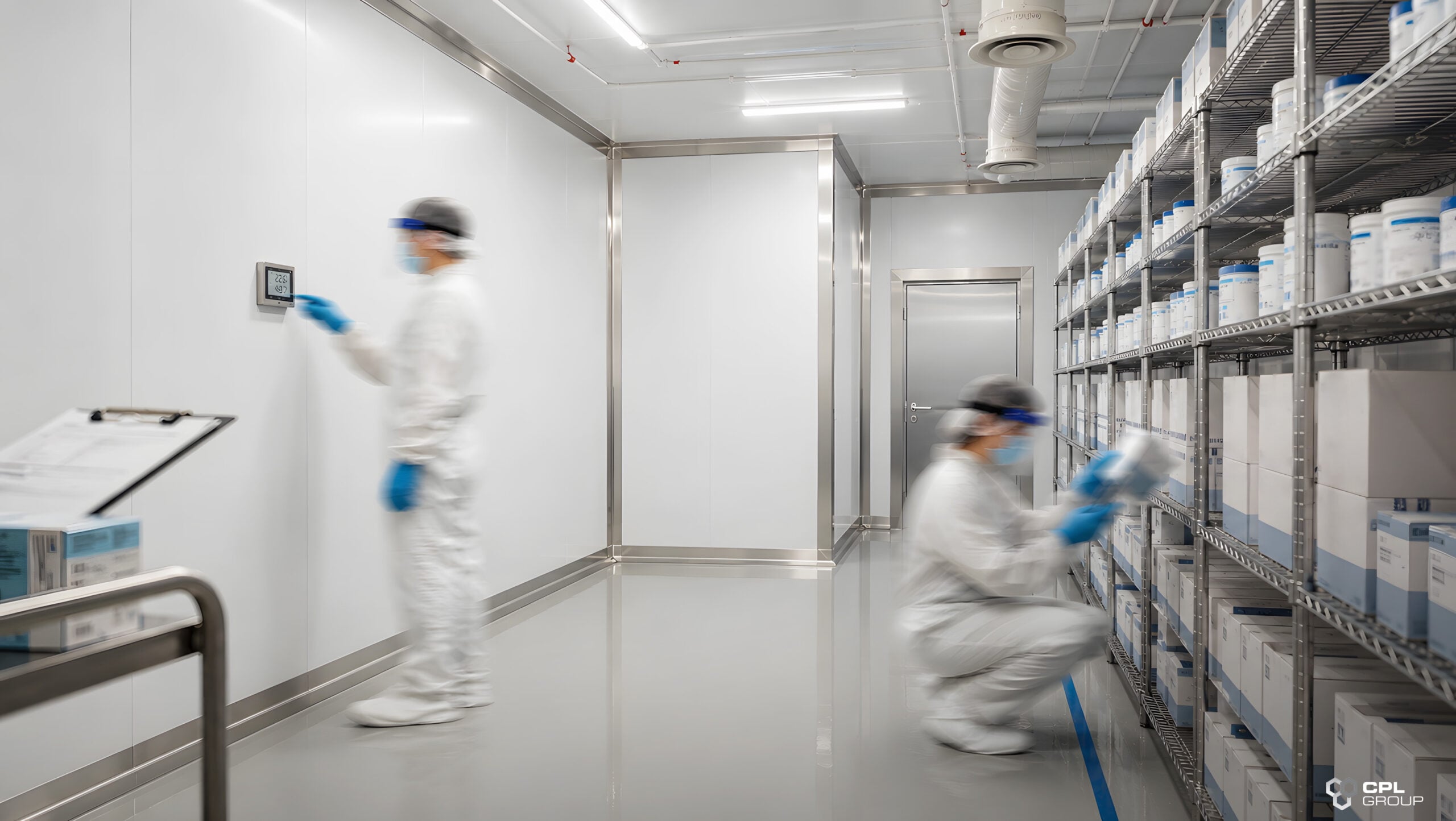
As with any PIC/S-aligned framework, the fundamentals apply: qualified and validated storage equipment, mapping under realistic worst-case conditions, continuous monitoring with independent alarms, and a documented process for managing any deviation.
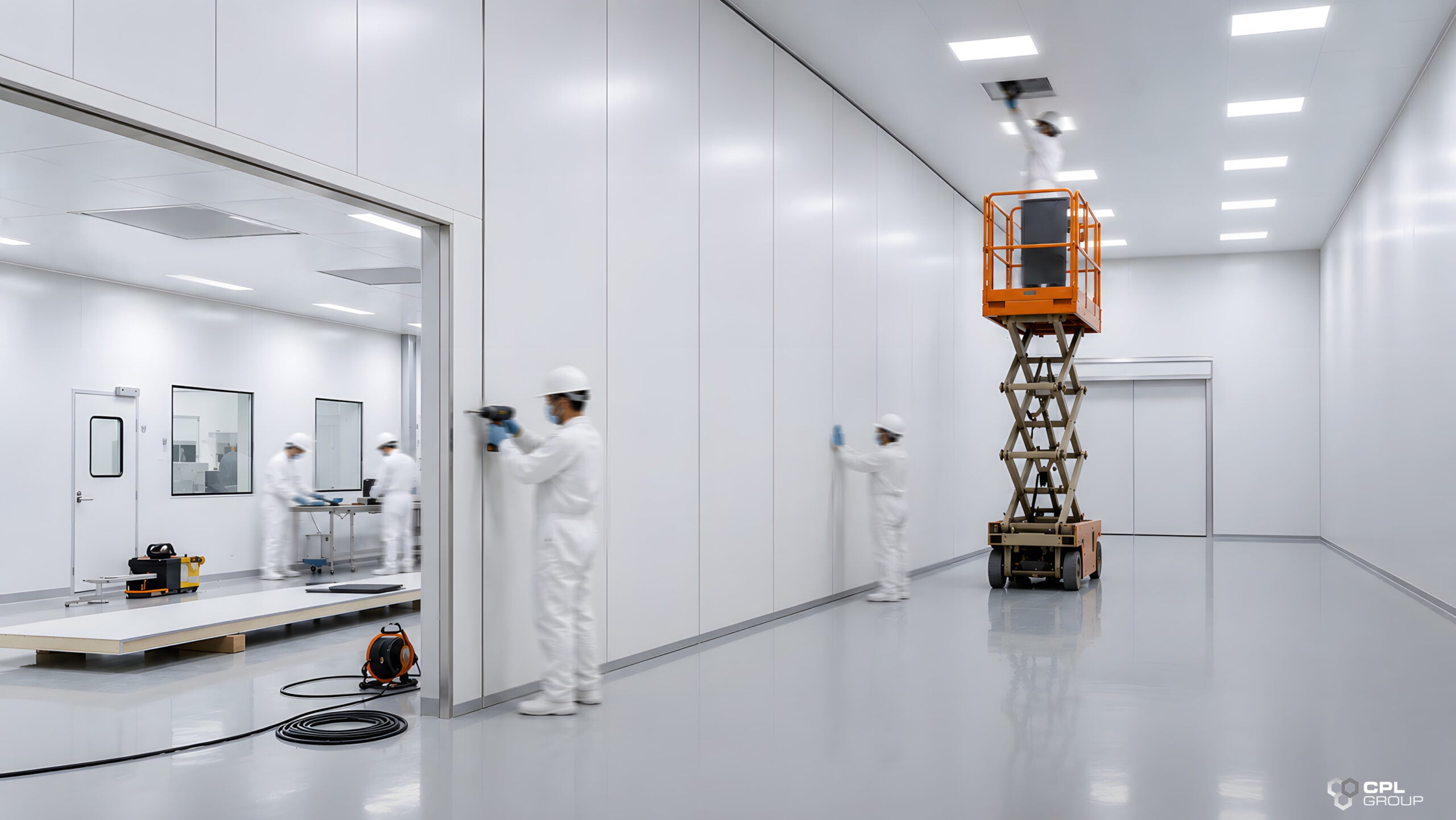
Facility construction plays a direct role here, since insulation quality and door integrity determine how much margin a site has before an alarm becomes an excursion.
CPL Group’s NZ and AU Cold Storage Expertise
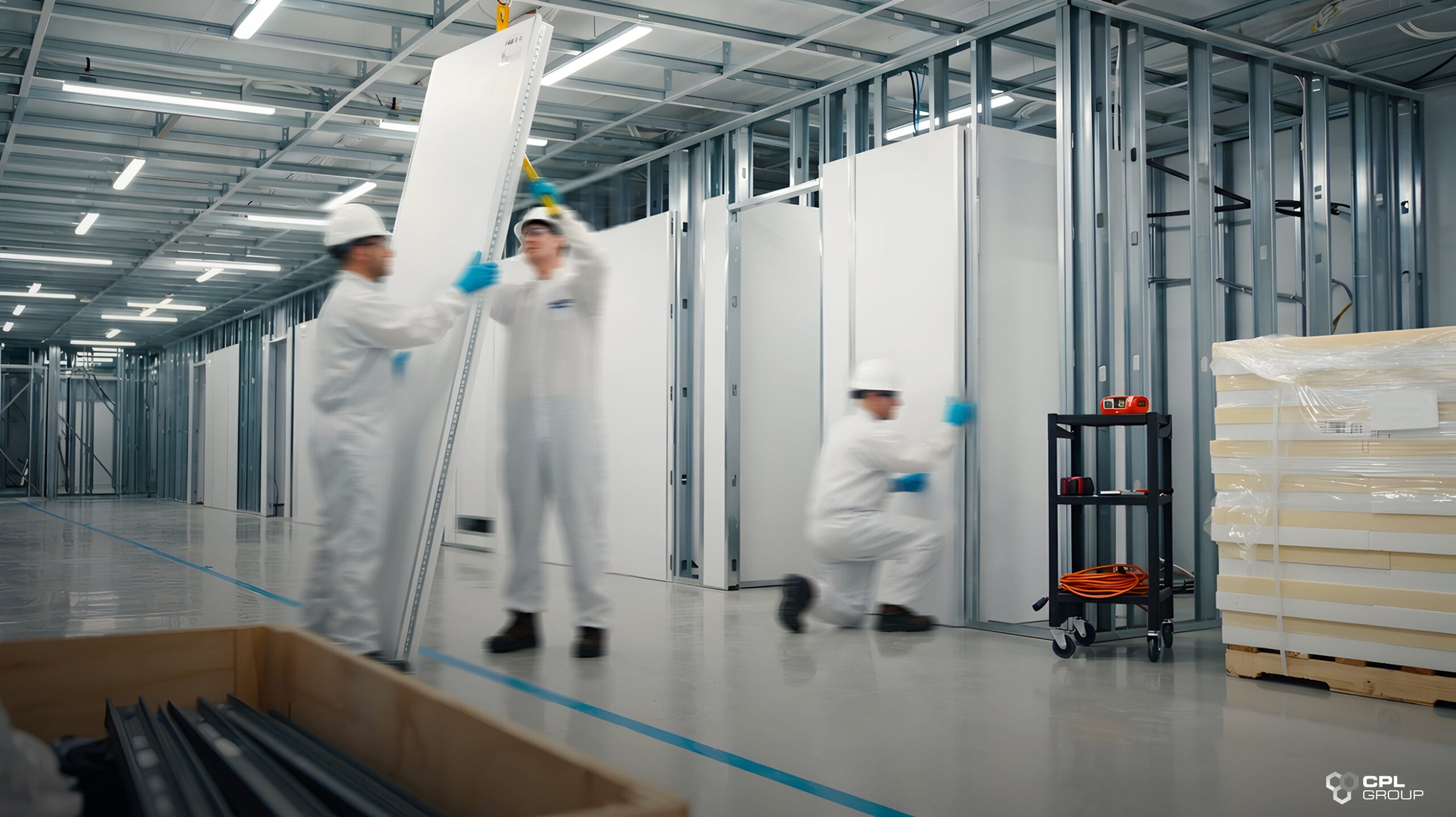
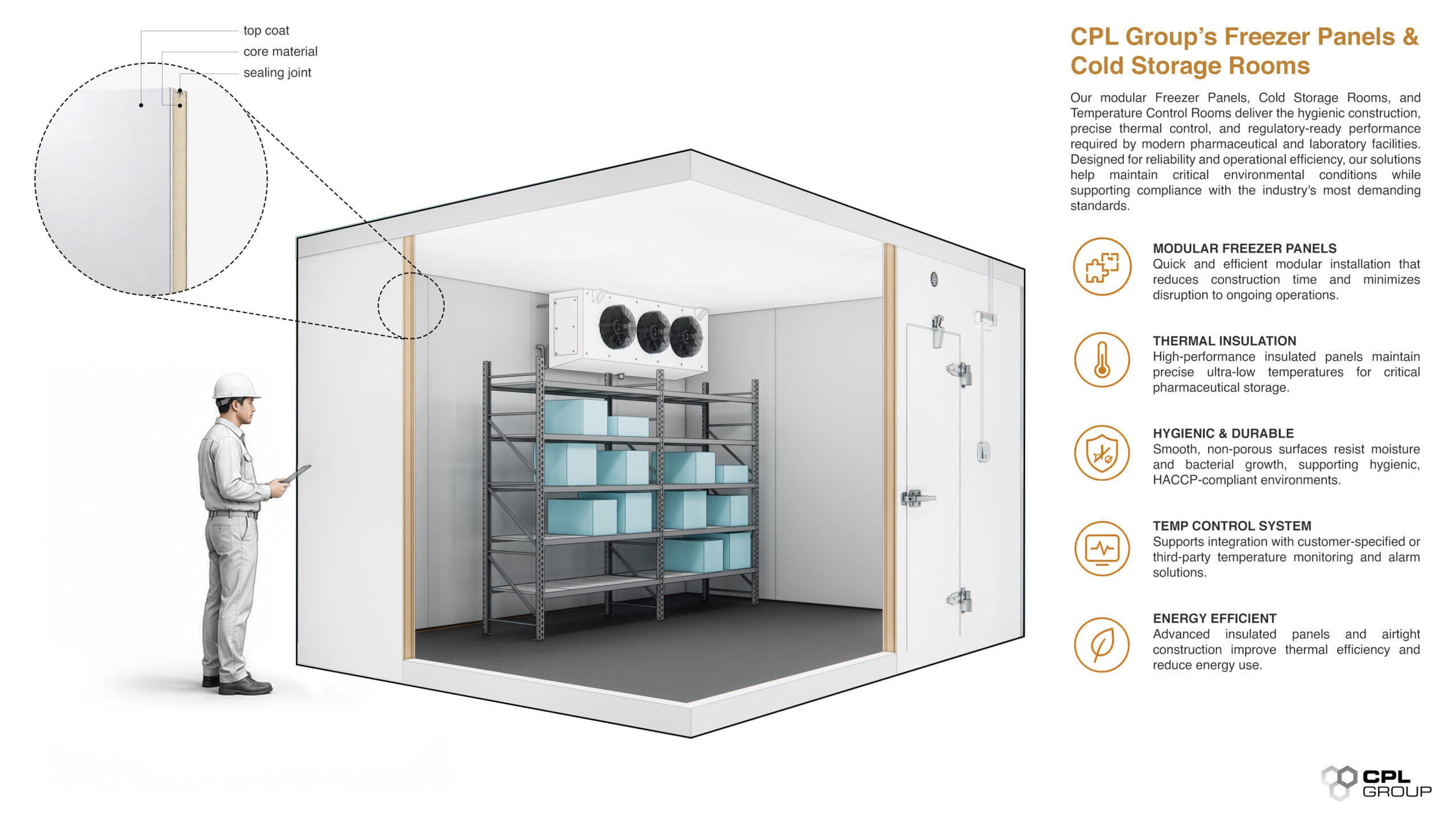
CPL Group is a trusted supplier of thermal solutions across Australasia, with Freezer Panels engineered for ultra-low temperatures, moisture- and bacteria-resistant surfaces suited to HACCP-compliant facilities, and a modular system that allows new builds or upgrades with limited disruption to ongoing operations.
Our Cold Storage Rooms deliver turn-key temperature control with advanced monitoring, energy-efficient construction, and compliance documentation available on request, supporting pharmaceutical storage alongside logistics and food supply chain applications.
Frequently Asked Questions
Does Medsafe follow the same GMP cold chain rules as Australia’s TGA?
NZ and Australia are both PIC/S participating authorities, so their GMP expectations for temperature-controlled storage are closely aligned, though Medsafe issues its own licensing and inspection findings under NZ’s Medicines Act.
What’s the most common cold chain compliance gap in NZ facilities?
Retrofitted or ad hoc cold rooms that were never formally mapped or validated are a recurring finding, particularly at smaller regional pharmaceutical and laboratory sites.
Do rural or regional NZ facilities face different cold chain challenges?
Yes. Greater reliance on third-party transport and less redundancy in refrigeration infrastructure make the storage-to-transport handoff a higher-risk point for excursions.
What documentation should a NZ facility have ready for a Medsafe inspection?
Temperature mapping reports, calibration records for monitoring equipment, an excursion and deviation log, and evidence of backup power or contingency plans for refrigeration failure.
Prepare for Your Next Medsafe Inspection
Maintaining cold chain compliance in New Zealand requires more than reliable refrigeration. It demands validated infrastructure, continuous monitoring, comprehensive documentation, and storage solutions designed to meet Medsafe and PIC/S expectations.
Download our New Zealand Cold Chain Compliance Checklist to identify potential facility and documentation gaps before your next Medsafe inspection. If you’re planning a new pharmaceutical or laboratory project, contact CPL Group to discuss tailored cold storage solutions designed for long-term regulatory compliance.